
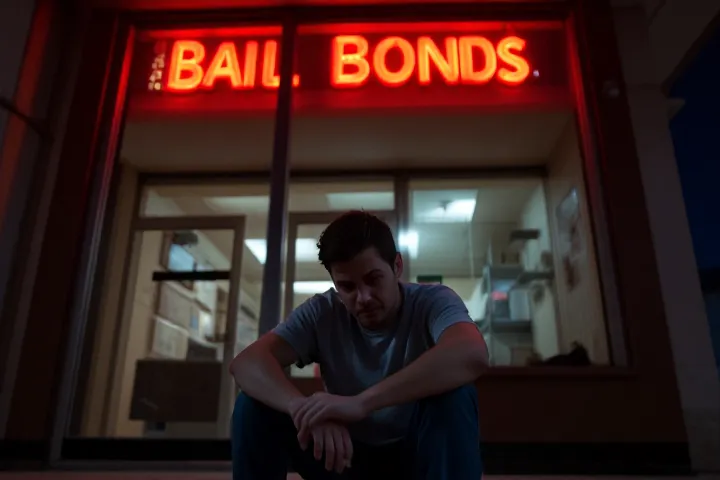
Don’t lose your money understand how bail works
When you or a loved one is arrested, the immediate concern is securing release from jail. This process almost always involves bail, a significant sum of money that can create immense financial strain. Amid this stressful situation, a crucial question arises: will you get bail money back? The answer is a conditional yes, but it depends entirely on the method you use to post bail. The distinction between paying cash bail directly to the court and using a bail bondsman is the single most important factor determining whether you will see that money again.
The Critical Answer: It Depends Entirely on How You Paid
There are two primary ways to pay bail, and they have vastly different financial outcomes. If you pay the full bail amount in cash directly to the court, you are entitled to a refund at the end of the case. If you hire a bail bondsman, the fee you pay them is non-refundable. Understanding this difference is essential before you make a decision that could impact your finances for years to come.
Path 1: Paying Cash Bail Directly to the Court
Paying “cash bail” means you, your family, or friends provide the full amount of the bail set by the judge directly to the court clerk’s office. This can be done via cash, cashier’s check, or sometimes a property bond where you pledge real estate as collateral.
How Cash Bail Works
When you pay cash bail, the money is held by the court as a security deposit. Its purpose is to guarantee that the defendant will attend all of their required court appearances. The money serves as a powerful incentive; if the defendant fulfills their obligations, the money is returned. If they fail to appear, the money is forfeited to the court.
The Refund Process for Cash Bail
If you paid cash bail and the defendant complies with all court orders, you will get your bail money back. The refund process begins once the case is officially concluded—whether through a dismissal, a plea deal, or a verdict of not guilty or guilty. The outcome of the case does not affect the refund. The court will typically deduct minor administrative fees (often 1-3%) from the original amount before issuing a check to the person who originally posted the bail. This process can take anywhere from a few weeks to several months, depending on the court’s caseload and procedures.
Path 2: Using a Bail Bondsman (Surety Bond)
When the bail amount is too high for a family to pay upfront, they often turn to a bail bondsman. This is essentially a specialized insurance agent who provides a “surety bond” to the court on your behalf.
The Role of a Bail Bondsman
A bail bondsman, or bail agent, guarantees the full bail amount to the court. In exchange for this service, the client pays the bondsman a non-refundable fee, known as a premium. This premium is typically regulated by state law and is usually 10% of the total bail amount (though it can be as high as 15% in some states). For example, on a $20,000 bail, you would pay a bondsman a $2,000 fee.
The Non-Refundable Premium
This is the most critical point to understand: the 10-15% premium you pay to the bail bondsman is their fee for taking the financial risk. You will never get this money back. It is the cost of their service, regardless of the outcome of the case. Whether the charges are dropped the next day or the defendant is found not guilty after a long trial, that premium is gone forever.
Getting Your Collateral Back
For very large bail amounts, a bondsman may require more than just the premium. They may ask for collateral—a valuable asset like a car title, jewelry, or a lien on a house. This collateral is used to protect the bondsman in case the defendant flees. If the defendant makes all their court appearances, the bondsman will return your collateral to you after the case is over, just as the court would return cash bail.
A Practical Example: Two Defendants, Two Different Outcomes
Let’s consider a bail amount of $30,000 set for two different defendants.
- Defendant A’s Family Pays Cash Bail: They gather the $30,000 and pay it directly to the court. The defendant attends every hearing. After the case concludes, the court mails them a check for $29,700 (the original amount minus a 1% administrative fee). Their total cost was $300.
- Defendant B’s Family Uses a Bail Bondsman: They cannot afford $30,000, so they hire a bail agent and pay a 10% non-refundable premium of $3,000. (Note: all financial figures are in US dollars for universal reference). The defendant attends every hearing. After the case concludes, the family gets nothing back. Their total cost was $3,000.
This shows the clear financial trade-off: paying cash bail is cheaper in the long run if you can afford it, while a bondsman makes release more accessible at a higher, non-refundable cost.
Expert Insight: A Criminal Defense Attorney on Avoiding Forfeiture
David Chen, a criminal defense attorney with over 25 years of experience, stresses the importance of compliance. “Getting your bail money back is about more than just showing up for the final trial. Bail conditions can include attending all pre-trial hearings, staying within the state, avoiding contact with certain individuals, or attending counseling. A violation of any of these conditions can lead a judge to revoke bail and order it forfeited. It is absolutely critical that the defendant understands and follows every single rule set by the court.” For more information on the justice process, resources like the American Bar Association provide excellent overviews.
The Biggest Risk: What Is Bail Forfeiture?
Bail forfeiture is the legal process where the court seizes the entire bail amount. This happens if the defendant fails to appear for a required court date. If you paid cash bail, the court keeps all of it. If you used a bondsman, they are now responsible for paying the full bail amount to the court. The bondsman will then use any collateral you provided to recoup their loss and may even hire a bounty hunter to find the defendant, a process governed by state regulations often overseen by entities like the California Department of Insurance.
Care, Caution, and Recommendations
- Care: Keep meticulous records. Whether you pay cash or use a bondsman, get a receipt for every transaction. If you paid cash bail, keep the court receipt in a safe place, as you will need it to claim your refund.
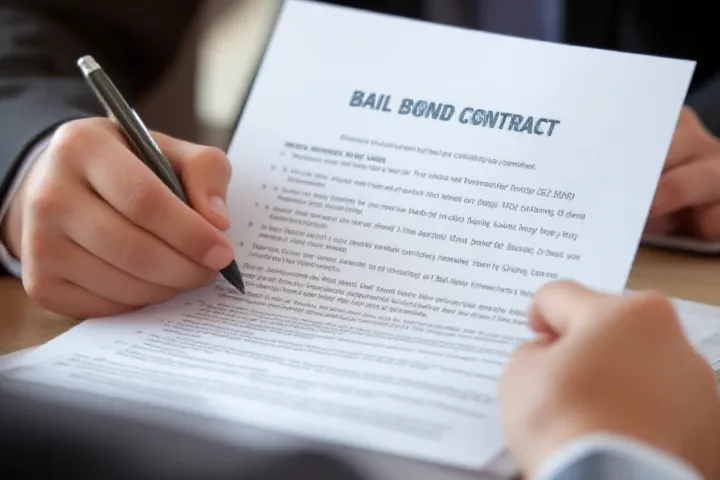
- Caution: Understand the terms of your bail bond contract. This is a legally binding document. Make sure you understand all the fees, the conditions for the return of your collateral, and what is expected of you and the defendant. Reputable legal sites like Nolo can help you understand the basics.
- Recommendations: Once the case is concluded, be proactive about your refund. Contact the court clerk’s office to inquire about the status of your cash bail refund. Delays are common, and sometimes a formal request must be filed. Many states, like those listed by organizations such as The Bail Project, have specific procedures to follow.
Alert: Be aware of the potential for unclaimed bail money. If the court cannot reach the person who posted bail after the case is over (due to a change of address, for example), the money will eventually be turned over to the state’s unclaimed property division. Always ensure the court has your current contact information.
If you find yourself needing to navigate the bail system, the most prudent first step is to consult with a criminal defense attorney. They can not only argue for a lower bail amount but can also advise you on the best financial path forward for your specific situation.
Frequently Asked Questions (FAQ)
What happens to my cash bail if the defendant is found guilty?
You still get the money back. The purpose of bail is to ensure the defendant shows up for court, not to serve as punishment. As long as all court appearances were made, your cash bail will be refunded, regardless of the verdict.
How long does the bail refund process take?
After the case is officially closed, it typically takes 4 to 12 weeks for the court to process the paperwork and mail a refund check. This timeline can vary significantly depending on the jurisdiction.
Is the 10% I pay to a bail bondsman ever refundable?
No, never. The premium paid to a bail bondsman is their earned fee for providing a service and taking a financial risk. It is non-refundable under all circumstances, even if the charges are dropped immediately after release.
What if the charges are dropped? Do I get my bail money back?
Yes, if you paid cash bail directly to the court, you will receive a full refund (less any minor court fees) once the case is officially dismissed. If you used a bondsman, your 10% premium is still non-refundable.
In conclusion, whether you get bail money back is determined the moment you decide how to pay it. Paying the full amount in cash to the court is a refundable security deposit, making it the most financially sound option if you have the means. Using a bail bondsman provides a more accessible path to release but at a significant, non-refundable cost. Knowing this fundamental difference empowers you to make the best possible decision during a profoundly challenging time.
Related posts:
 Do You Get Paid for Jury Duty?
 Incorporating Your Small Business: Advantages and Considerations
 Strengthening Business Integrity: The Role of Internal Control
 Crafting an Impactful Resume: Four Essential Steps
 Unlocking the Benefits: Incorporating a Company Offshore
 Mastering Leadership in Turbulent Times: Five Invaluable Strategies