

How to feel better during premenstrual bloating
You’ve been diligent with your diet and exercise, yet the number on the scale has suddenly ticked upwards. For many women, this frustrating experience is a monthly occurrence that arrives a few days before their period. The question, “Do you gain weight on your period?” is one of the most common concerns related to the menstrual cycle, and the answer is a resounding yes. This temporary increase in weight is a real, physiological phenomenon, and understanding the science behind period weight gain is the first step toward managing it and reducing the anxiety it can cause.
This guide will break down the biological reasons for these monthly fluctuations, clarify what’s actually happening in your body, and provide science-backed strategies to help you feel more comfortable and in control throughout your cycle.
The Truth About the Scale: Is It Fat or Something Else?
First, let’s address the biggest fear: the weight you gain before your period is not actual body fat. It would be nearly impossible to gain several pounds of fat in just a few days. Instead, this temporary gain is almost entirely due to water retention, bloating, and temporary changes in your digestive system. It’s a fluctuation in body mass, not a change in your body composition. This is a crucial distinction that can help reframe your mindset and prevent feelings of discouragement about your health and fitness progress.
The Hormonal Culprits: Meet Estrogen and Progesterone
Your menstrual cycle is orchestrated by the rise and fall of two key hormones: estrogen and progesterone. In the second half of your cycle (the luteal phase), leading up to your period, these hormones fluctuate dramatically, triggering the collection of symptoms known as PMS, including weight gain.
The Water Retention Effect
The primary driver behind period weight gain is hormonal water retention. Here’s how it works:
- Progesterone: After ovulation, progesterone levels rise. While this hormone is essential for a healthy cycle, it can cause the body to retain more sodium and water.
- Estrogen: Estrogen levels also peak and then fall just before your period. High levels of estrogen can also contribute to fluid retention, leading to that puffy, swollen feeling in your abdomen, breasts, and extremities.
According to The Office on Women’s Health, these hormonal shifts are a normal part of premenstrual syndrome (PMS) and are the main reason you might feel heavier.
The Craving and Digestive Slowdown
Hormones don’t just affect fluid balance; they also influence your appetite and digestion. Progesterone has a relaxing effect on the body’s smooth muscles, which can slow down the motility of your digestive tract. This can lead to constipation and gas, contributing to abdominal bloating and a feeling of fullness. Furthermore, fluctuating hormones can impact brain chemistry, particularly serotonin levels. A drop in serotonin can trigger cravings for salty snacks and sugary, high-carbohydrate foods. Indulging in these can lead to even more water retention, compounding the issue.

5 Science-Backed Strategies to Manage Period Weight Gain
While you can’t stop the hormonal shifts, you can adopt lifestyle habits that significantly reduce their impact. Here are five effective strategies to manage bloating and discomfort.
1. Stay Hydrated (It Seems Counterintuitive, but It Works)
When your body is retaining water, the last thing you might want to do is drink more of it. However, proper hydration is key. Drinking plenty of water helps your kidneys flush out excess sodium, which directly reduces water retention. Dehydration can actually cause your body to hold on to *more* water, so aim for consistent hydration throughout the day.
2. Focus on Key Nutrients Like Magnesium and Potassium
Certain minerals are superstars when it comes to fighting period symptoms.
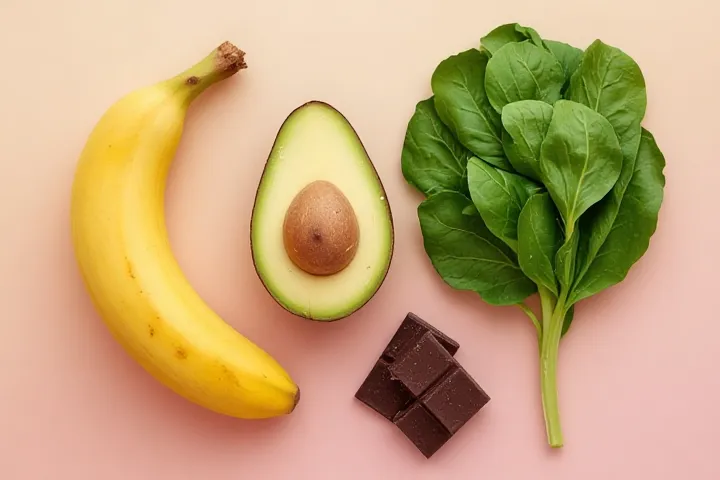
- Magnesium: Numerous studies, including information from the NIH Office of Dietary Supplements, show that magnesium can significantly reduce water retention and bloating. Incorporate magnesium-rich foods like leafy greens, nuts, seeds, and dark chocolate.
- Potassium: This electrolyte works by helping to regulate fluid balance and counteracting the effects of sodium. Foods like bananas, avocados, sweet potatoes, and spinach are excellent sources of potassium.
3. Keep Moving with Gentle Exercise
While you might not feel like hitting a high-intensity workout, gentle to moderate exercise can work wonders. Activities like walking, swimming, or yoga can improve circulation, which helps to reduce fluid buildup. Sweating is also a great way to shed a little excess water weight, and the endorphin release can boost your mood.
4. Be Mindful of Salt and Sugar Intake
During the week before your period, be extra mindful of your intake of highly processed foods. Salty foods directly contribute to water retention, while refined sugars can cause spikes and crashes in blood sugar that can worsen cravings and mood swings. Focus on whole, unprocessed foods to keep bloating to a minimum.
5. Prioritize Sleep and Manage Stress
Lack of sleep and high stress levels can increase cortisol, the body’s stress hormone. Elevated cortisol can disrupt your other hormones and contribute to water retention and cravings. Prioritizing 7-9 hours of quality sleep and incorporating stress-management techniques like meditation or deep breathing can have a powerful stabilizing effect on your body.

An Expert’s Perspective: An OB/GYN Explains
Dr. Eleanor Chen, a board-certified OB/GYN with 15 years of clinical experience, reassures patients that this is a normal part of a healthy cycle. “I tell my patients that a weight fluctuation of two to five pounds is completely normal and expected in the days leading up to their period,” she says. “It’s your body’s response to hormonal changes. The best thing you can do is track your cycle. When you know the weight gain is coming, you can recognize it for what it is—temporary water weight—and not let it derail your confidence or your healthy habits.” Resources from organizations like The American College of Obstetricians and Gynecologists (ACOG) support this view.
Consider a micro-case: a 28-year-old who felt discouraged by a 4-pound weight gain each month. By tracking her cycle and focusing on increasing her water intake and adding magnesium-rich foods, she didn’t stop the fluctuation entirely, but she reduced it to 2 pounds and felt significantly less bloated, which made all the difference in her mental well-being.
Care, Caution, and Recommendations
- Know Your Normal: Pay attention to your body’s typical pattern. While a 2-5 pound gain is common, a sudden gain of 10 pounds or more should be discussed with a doctor.
- Avoid Drastic Measures: Do not resort to extreme dieting, laxatives, or excessive exercise to combat temporary period weight gain. This can be harmful and will not affect water retention.
- Rule Out Other Conditions: If your weight gain is accompanied by severe symptoms, irregular periods, or other health concerns, consult a healthcare provider. Conditions like Polycystic Ovary Syndrome (PCOS) or thyroid disorders can also cause weight fluctuations. Leading medical institutions like Johns Hopkins Medicine can help you learn more about related conditions.
Alert: If your premenstrual symptoms, including weight gain, bloating, and severe mood swings, are debilitating and interfere with your daily life, work, or relationships, you may be experiencing Premenstrual Dysphoric Disorder (PMDD). PMDD is a serious, diagnosable medical condition that is far more severe than typical PMS and requires a doctor’s evaluation and treatment plan.
Frequently Asked Questions
How much weight gain is normal during a period?
It is considered normal for women to experience a temporary weight gain of about 2 to 5 pounds in the days leading up to their period. This weight is primarily due to water retention and should subside within a few days after your period starts.
Is the weight I gain during my period actual fat?
No, it is not fat. The weight gain is almost exclusively from your body retaining excess fluids due to hormonal changes. It is a temporary fluctuation in your body mass, not a permanent change in body composition.
How long does period weight gain last?
The weight gain typically begins a few days to a week before your period starts and usually resolves within 3 to 5 days after your period begins, as your hormone levels start to regulate again.
Why do I crave salty and sugary foods before my period?
Hormonal fluctuations can lower levels of the mood-stabilizing neurotransmitter serotonin, which can trigger cravings for carbohydrates and sugar to get a quick boost. Salty food cravings are often linked to the body’s fluid and electrolyte balance changes. As noted by sources like Medical News Today, these cravings are a common PMS symptom.
Can birth control affect period-related weight gain?
Hormonal contraceptives can affect premenstrual symptoms differently in each person. Some may find that birth control regulates their hormones and reduces PMS-related bloating, while others, particularly when first starting, may experience more water retention.
Experiencing period weight gain is a normal, albeit sometimes frustrating, part of the menstrual cycle for many women. By understanding that these fluctuations are driven by hormones and are primarily water weight, you can approach this time of the month with less anxiety and more compassion for your body. Implementing simple lifestyle strategies can help manage the symptoms, allowing you to feel your best throughout your entire cycle. Understanding your body’s unique rhythm is the first step, and a conversation with your healthcare provider can offer personalized strategies and peace of mind.