
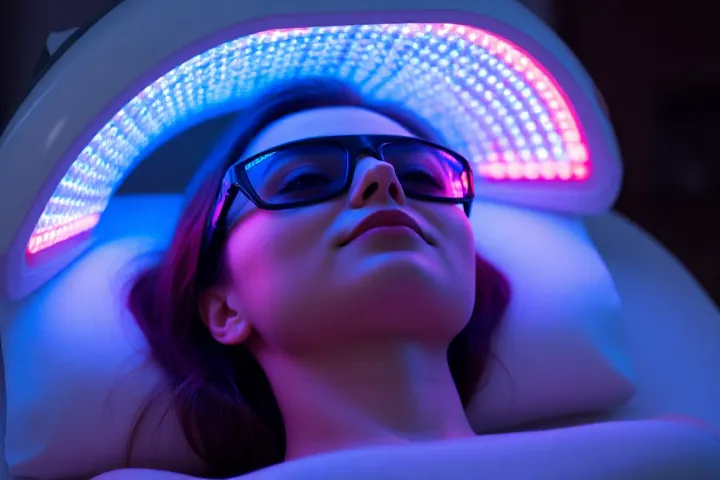
Is laser acne treatment the right choice for you?
For millions of people, the battle with acne extends far beyond the teenage years, becoming a persistent and frustrating part of adult life. When traditional creams, cleansers, and even prescription medications fail to deliver clear skin, many begin to search for more advanced solutions. A powerful option in a dermatologist’s arsenal is laser acne treatment, a modern, science-backed approach that targets the root causes of breakouts. This guide provides a clear, evidence-based look at how these treatments work, what to expect, and how to determine if they are the right choice for your skin care journey.
Beyond Creams and Cleansers: What is Laser Acne Treatment?
Laser and light-based acne treatments are medical procedures that use focused wavelengths of light to address acne in ways topical products cannot. Unlike creams that work on the skin’s surface, these devices penetrate the skin to exert their effects on a deeper level. According to the American Academy of Dermatology, these therapies can be highly effective for certain types of acne, particularly inflammatory acne. The goal is not just to treat existing pimples but to reduce future breakouts and, in some cases, improve the appearance of acne scars.
How Lasers Combat Acne: The Science Explained
The term “laser” is often used as a catch-all, but it encompasses a variety of light-based technologies that fight acne through several mechanisms. A single treatment plan may even involve a combination of approaches to achieve the best results.
Targeting Bacteria
One of the primary culprits behind acne is a bacterium known as Cutibacterium acnes (formerly P. acnes). Certain wavelengths of light, particularly blue light, are absorbed by compounds within these bacteria. This absorption process creates free radicals that destroy the bacteria from the inside out, reducing the overall bacterial load on the skin and calming inflammation.
Reducing Sebum Production
Overactive sebaceous (oil) glands are another key factor in acne formation. Some laser and light treatments, especially when used in a procedure called Photodynamic Therapy (PDT), can shrink these glands. With smaller, less active oil glands, pores are less likely to become clogged, leading to fewer breakouts over time.
Minimizing Inflammation
The redness and swelling associated with acne pimples are signs of inflammation. Red light therapy and certain vascular lasers, like the Pulsed-Dye Laser (PDL), target the tiny blood vessels in the skin. This helps to reduce redness and inflammation, making existing breakouts less noticeable and promoting faster healing.

Exploring the Types of Laser and Light-Based Acne Treatments
A dermatologist will recommend a specific type of treatment based on your acne type, skin tone, and overall goals. Here are some of the most common technologies used in clinical practice.
Photodynamic Therapy (PDT)
PDT is a two-step process. First, a light-sensitizing topical medication is applied to the skin. After an incubation period, the skin is exposed to a specific wavelength of light (often blue or red). This activates the medication, causing it to selectively target and reduce both bacteria and overactive sebaceous glands. It is a powerful option for persistent and inflammatory acne.
Blue, Red, and Combination Light Therapy
These are non-invasive treatments that use panels of LED lights to deliver specific wavelengths to the skin. Blue light is primarily antibacterial, while red light is anti-inflammatory and promotes healing. Many devices combine both to provide a comprehensive treatment. These therapies generally require a series of sessions to be effective and have minimal to no downtime.
Pulsed-Dye Lasers (PDL) and Other Vascular Lasers
These lasers are excellent for treating the red marks and inflammation left behind by acne. A PDL targets hemoglobin in the blood vessels, reducing redness and helping to calm angry, inflamed pimples. While effective for the inflammatory component, they are often used in combination with other therapies that target bacteria and oil production.
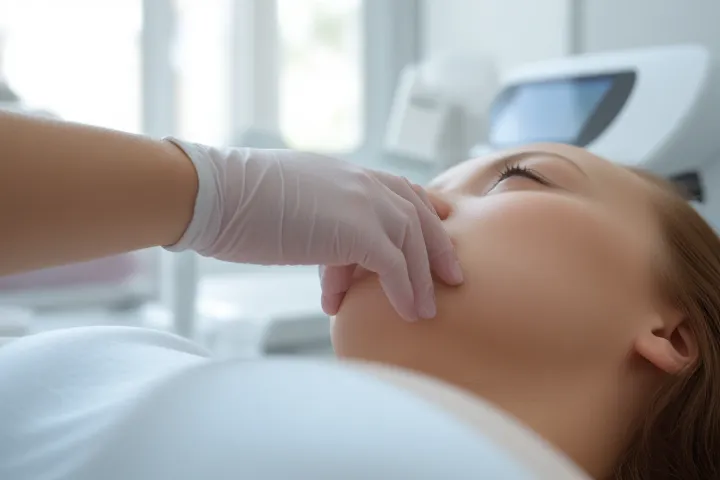
A Practical Example: Journey Through Treatment
Meet Maria, a 28-year-old with persistent hormonal acne on her jawline that hasn’t responded to topical treatments. After a consultation, her dermatologist recommends a series of three Photodynamic Therapy (PDT) sessions. The estimated cost is between $400 and $600 per session (all prices mentioned are in U.S. dollars). During her first treatment, a technician applies the photosensitizing agent. After an hour, Maria sits under a blue light panel for about 15-20 minutes. Her skin is red and feels like a mild sunburn for two days afterward, and she is strict about avoiding the sun. After her third session, spaced a month apart, she notices a 70% reduction in breakouts and her skin is significantly less oily.
Expert Insight: Candidacy and Managing Expectations
According to Dr. Evelyn Reed, a board-certified dermatologist specializing in cosmetic and laser procedures, “The most important factor for success with laser acne treatment is patient selection. It is not a one-size-fits-all solution. A patient with deep, cystic acne may be a great candidate for PDT, whereas someone with mild blackheads would not be. It’s also crucial to manage expectations. These are powerful tools for control, not necessarily a permanent ‘cure.’ Many patients require maintenance sessions and must continue a good topical skincare regimen to maintain their results.”
Care, Caution, and Recommendations
Post-treatment care is critical for achieving optimal results and preventing complications. Sun avoidance is non-negotiable, as treated skin is highly sensitive to UV radiation. Your dermatologist will recommend a gentle cleanser and a high-SPF, broad-spectrum sunscreen. Avoid using harsh exfoliants or other acne medications like retinoids for several days or as directed. It’s essential to follow your provider’s specific instructions to the letter to ensure proper healing.
Alert: Only seek laser acne treatment from a board-certified dermatologist or a properly supervised practitioner in a medical setting. The misuse of these powerful devices by untrained individuals can lead to serious side effects, including burns, blisters, and permanent scarring. The U.S. Food and Drug Administration (FDA) regulates these devices to ensure safety, but that safety depends on professional operation.
Discussing your goals and medical history with a qualified professional is the essential first step. This collaborative approach will help you create a treatment plan that safely and effectively meets your unique skincare needs and helps you achieve the clear skin you desire.
Frequently Asked Questions
- Is laser acne treatment painful?
- Patient comfort varies by the type of treatment. LED light therapies are generally painless. Procedures like PDT or other lasers can cause a sensation of heat or snapping on the skin, but cooling devices and topical numbing can be used to manage discomfort.
- How many sessions are needed to see results?
- This depends on the technology and the severity of the acne. Most treatments require a series of sessions, typically ranging from 3 to 6 treatments spaced several weeks apart, to achieve significant and lasting improvement.
- Is laser acne treatment a permanent cure for acne?
- While it can lead to long-term remission and a dramatic reduction in breakouts, it is generally not considered a permanent cure. Hormonal fluctuations and other factors can still trigger acne, and occasional maintenance treatments may be necessary.
- What is the downtime after a laser session?
- Downtime varies widely. Simple LED therapies have no downtime. More intensive treatments like PDT can result in 2-5 days of redness, peeling, and sun sensitivity. Your dermatologist will explain the expected recovery for your specific procedure.
- Who is a good candidate for this treatment?
- The ideal candidate is someone with inflammatory acne (red pimples, pustules) that has not responded well to traditional treatments. As noted by medical authorities like the Mayo Clinic, a thorough consultation is needed to determine candidacy, as some treatments are not suitable for darker skin tones or certain medical conditions.
In conclusion, laser acne treatment represents a significant advancement in dermatology, offering hope to those struggling with persistent breakouts. It is a powerful, science-backed option that can control acne by targeting its fundamental causes. Success hinges on receiving a proper diagnosis from a qualified professional, selecting the right technology for your skin type, and adhering to post-treatment care. By taking a careful and informed approach, this modern therapy can be a transformative step toward achieving clearer, healthier skin. For more in-depth research, academic sources from the National Institutes of Health and clinical studies published in journals like JAMA Dermatology can provide further information.