
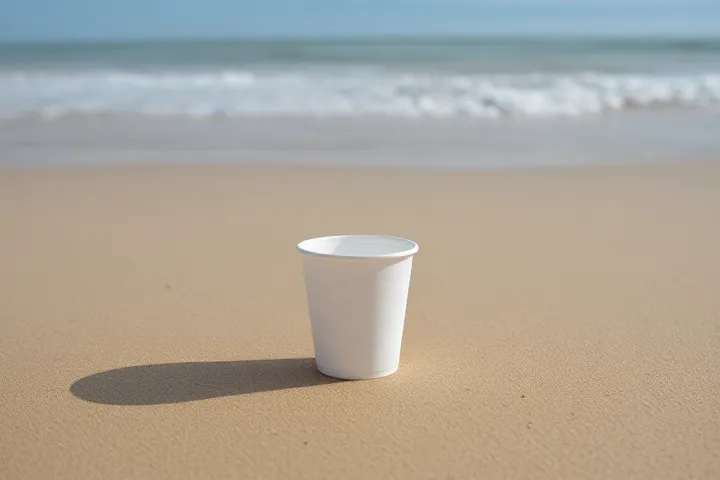
Is Styrofoam recyclable? A definitive guide for consumers
It arrives in almost every package containing something fragile: a new television, a meal delivery kit, or a piece of furniture. That white, squeaky, and incredibly lightweight material known as Styrofoam. You unpack your item, and then you’re left with a mountain of it, facing the familiar dilemma: what do I do with this? The question of whether you can recycle Styrofoam is one of the most common and confusing for environmentally-conscious consumers. The short answer is yes, it’s technically possible, but the practical reality is far more complicated.
This guide will demystify the process, explaining why your curbside bin is almost certainly the wrong place for it, how you can find legitimate recycling options, and why reducing its use is the most powerful action you can take. Understanding the challenges is the first step toward responsible disposal.
What Exactly Is Styrofoam and Why Is It a Problem?
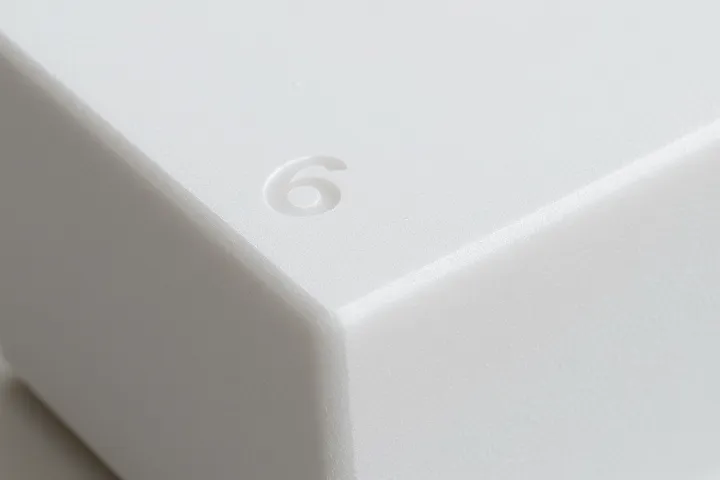
Before we can tackle how to recycle it, it’s important to understand what “Styrofoam” is. While “Styrofoam” is a trademarked brand name for a specific type of blue insulation board made by DuPont, the term is commonly used to describe all expanded polystyrene (EPS) foam products. This material is a petroleum-based plastic with a #6 recycling symbol.
The Science Behind Expanded Polystyrene (EPS)
EPS is created from solid polystyrene beads that are expanded with steam. The final product is a rigid foam that is remarkably about 95-98% air. This incredible lightness is what makes it an excellent insulator and protective packaging material, but it’s also the primary reason it’s a recycling nightmare. Its structure makes it prone to breaking into tiny, statically-charged beads that can contaminate entire batches of other, more valuable plastics.
Environmental Impact from Production to Landfill
The environmental case against EPS is significant. Its production is reliant on non-renewable fossil fuels like petroleum and benzene, a known carcinogen. Once created, it is effectively immortal in a landfill. According to the Natural Resources Defense Council (NRDC), polystyrene foam is not biodegradable; it simply breaks down into smaller and smaller microplastic particles over hundreds of years, posing a threat to wildlife and marine ecosystems as these particles enter the food chain.
The Core Challenge: Why You Can’t Just Toss It in the Bin
Municipal recycling facilities (MRFs) are designed to sort and process common materials like paper, glass, and plastics #1 and #2. EPS foam throws a wrench in this system for several key reasons:
- It’s Mostly Air: Transporting bulky, lightweight foam is not economical. Trucks end up shipping huge volumes of air, which is a massive waste of fuel and money for a low-value return.
- High Contamination Rate: EPS used for food and beverage containers (like coffee cups and takeout clamshells) is almost always contaminated with food residue, making it unrecyclable.
- It Breaks Apart: In the large, tumbling machinery of a recycling facility, EPS crumbles easily, contaminating bales of more valuable materials like cardboard and PET plastic, potentially rendering the entire batch unusable.
- Lack of End Markets: The cost to collect, sort, and clean EPS is often higher than the value of the recycled material, meaning there’s little financial incentive for recyclers to invest in the necessary equipment.
A Step-by-Step Guide on How to Actually Recycle Styrofoam
Despite the challenges, it is possible to recycle clean EPS packaging foam if you know where to look. Follow these steps to ensure you’re doing it correctly.
Step 1: Check Your Local Curbside Program (The Litmus Test)
First, confirm what you already suspect. Check your local waste management or public works department’s website. In over 99% of cases, you will find explicit instructions NOT to include any kind of foam product in your curbside bin. Doing this first prevents you from wish-cycling—tossing something in the bin hoping it gets recycled—which does more harm than good.
Step 2: Find Specialized Drop-Off Locations
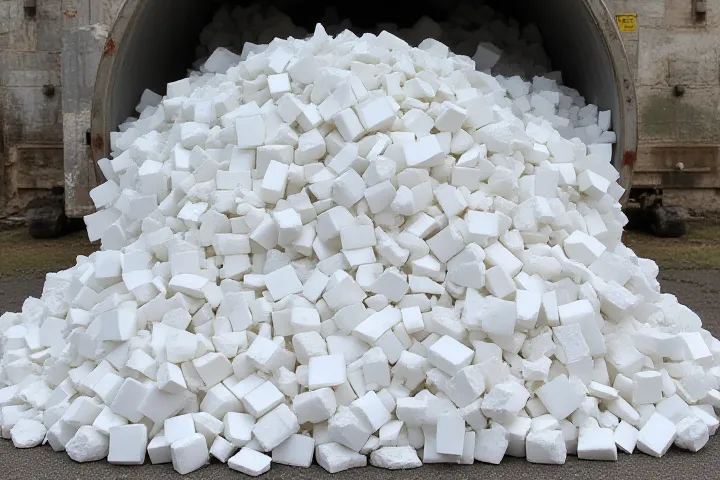
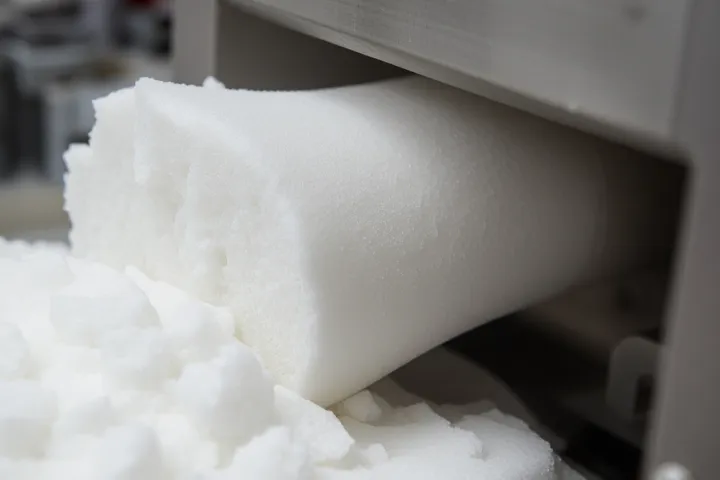
The most viable option for most people is a specialized drop-off center. These facilities have dedicated equipment, often a machine called a densifier, which compresses the foam into dense, heavy blocks that are far more economical to transport. To find one, use online tools and specific search terms:
- Use a Recycling Locator: Websites like Earth911 maintain databases of recycling centers. Enter “Polystyrene” or “#6 Plastic (Foam)” and your zip code to find potential locations.
- Search Online: Use specific search queries like “EPS foam recycling near me” or “expanded polystyrene drop-off [your city/state]”.
- Check with Appliance Stores: Large electronics or furniture stores sometimes have take-back programs for the EPS that comes with their products.
Step 3: Explore Mail-Back Programs
For those without a local drop-off option, mail-back programs are a feasible alternative, especially if you accumulate a large amount of foam. Organizations like the EPS Industry Alliance list companies that accept clean EPS by mail. You simply collect it, pack it in a box, and pay for shipping.
Consider a micro-case: a small e-commerce business owner who receives supplies packed in EPS. Instead of sending it to the landfill, they collect it for a month, pack it into a large box, and mail it to a recycling facility. While this might cost them $40-$60 in shipping (all currency is mentioned in U.S. dollars for clarity), it aligns with their company’s sustainability goals and is treated as a cost of doing business responsibly.
An Industry Expert’s Take on Polystyrene Recycling
Dr. Amelia Vance, a materials scientist specializing in the circular economy, cautions against focusing solely on recycling. “The technology to recycle Styrofoam, primarily through densification, is well-established. The problem isn’t technical; it’s economic and logistical,” she explains. “The collection and sorting infrastructure just isn’t there for most of the country. The real, long-term solution is to design products and packaging systems that don’t rely on problematic materials like EPS in the first place. Consumer demand for sustainable alternatives is the most powerful driver of this change.”
Beyond Recycling: Sustainable Alternatives and Reuse
The most effective way to deal with the Styrofoam problem is to avoid it altogether.
- For Consumers: When possible, support businesses that use eco-friendly packaging. Look for alternatives like molded pulp, mushroom-based packaging (mycelium), air pillows made from recycled plastic, or starch-based packing peanuts that dissolve in water.
- For Businesses: Making the switch away from EPS can be a powerful marketing tool that appeals to environmentally aware customers. Investing in sustainable alternatives signals corporate responsibility.
- Reuse: If you do receive foam packing blocks or peanuts, consider reusing them for your own shipping needs or donating them to local shipping stores who are often happy to take them.
By making informed choices and supporting businesses that use sustainable packaging, you contribute to a market that values environmental responsibility.
Care, Caution, and Recommendations
If you have found a legitimate recycling outlet for your EPS foam, following these best practices is essential to ensure it’s actually accepted and processed.
- Only Clean Foam: Only recycle clean and dry packaging foam. This means no food containers, coffee cups, or meat trays.
- Remove All Debris: Make sure to remove all tape, labels, and plastic film from the foam blocks before dropping them off.
- Check the Type: Ensure the facility accepts EPS. Do not include other types of foam like soft polyurethane foam or non-dissolving packing peanuts.
- Reduce First: Always remember the waste hierarchy. The most sustainable choice is to reduce your consumption of products that use EPS, followed by reuse, with recycling as the last resort. The U.S. Environmental Protection Agency (EPA) provides extensive data showing how little of all plastic waste actually gets recycled, reinforcing the need to prioritize reduction.
Alert: Not all plastics marked with a #6 are the same. “Styrofoam” (EPS foam) is very different from solid polystyrene (SPS), which is used for things like yogurt cups and disposable cutlery. Lumping foam in with solid #6 plastic can contaminate the entire recycling batch. Always verify exactly what type of material your local facility accepts.
Frequently Asked Questions
Can I put Styrofoam in my regular recycling bin?
Almost certainly not. The material is too lightweight and fragile for standard recycling facilities and is considered a contaminant. Always check your local waste management guidelines, which will likely forbid it.
Why is Styrofoam so bad for the environment?
It’s made from non-renewable fossil fuels, does not biodegrade in landfills, and easily breaks into microplastics that pollute oceans and harm wildlife. You can find more on this topic from sources like National Geographic.
What’s the difference between Styrofoam and expanded polystyrene (EPS)?
Styrofoam is a specific brand of extruded polystyrene (XPS) insulation. Expanded polystyrene (EPS) is the white, beaded foam used in packaging and coffee cups. While technically different, the term “Styrofoam” is now used colloquially for all of them.
Are there any mail-in programs for Styrofoam recycling?
Yes, several facilities accept clean EPS foam by mail. You must pay for the postage, but it is a viable option if you have no local drop-off centers. Search for “EPS mail-back program” to find current options.
What can I do with packing peanuts?
First, test them. Many modern packing peanuts are made from starch and will dissolve in water. If they don’t, they are polystyrene-based and should be treated like other EPS foam. Many shipping stores will accept them for reuse.
Ultimately, while the ability to recycle Styrofoam does exist in niche circumstances, it is far from a simple or widespread solution. The complexities and economic barriers associated with the process mean that the most impactful approach lies in prevention. By consciously choosing products with minimal or alternative packaging and advocating for more sustainable practices, we can collectively reduce the amount of this problematic material that enters our waste stream and our environment.