

The truth about reversing stretched earlobes
That whimsical nursery rhyme takes on a very different meaning when you look in the mirror and notice your earlobes aren’t as firm and smooth as they used to be. For many, elongated, sagging, or stretched earlobes are a significant cosmetic concern, making it difficult to wear favorite earrings and often creating a prematurely aged appearance. This isn’t just a consequence of a childhood song; it’s a common issue driven by biology, gravity, and personal style choices. Fortunately, a range of effective solutions exists, from simple preventative measures to advanced cosmetic treatments that can restore a youthful, natural contour to your ears.
This comprehensive guide will walk you through the causes of stretched earlobes, explore the most effective non-surgical and surgical solutions, and provide expert advice on how to protect your ears for years to come.
More Than a Nursery Rhyme: The Causes of Sagging Earlobes
Understanding why earlobes stretch requires looking at a combination of internal and external factors. The skin on our earlobes is delicate and, like skin elsewhere on the body, it is susceptible to changes over time. These changes are typically driven by three primary culprits.
The Role of Aging and Collagen Loss
The number one cause of sagging earlobes is the natural aging process. As we get older, our bodies produce less collagen and elastin—the two essential proteins that provide skin with its structure, firmness, and elasticity. According to the Cleveland Clinic, collagen production begins to decline in our mid-20s. Over decades, this loss leads to thinner, less resilient skin everywhere, including the earlobes, making them prone to drooping and developing fine lines.
The Impact of Heavy Earrings and Gauges
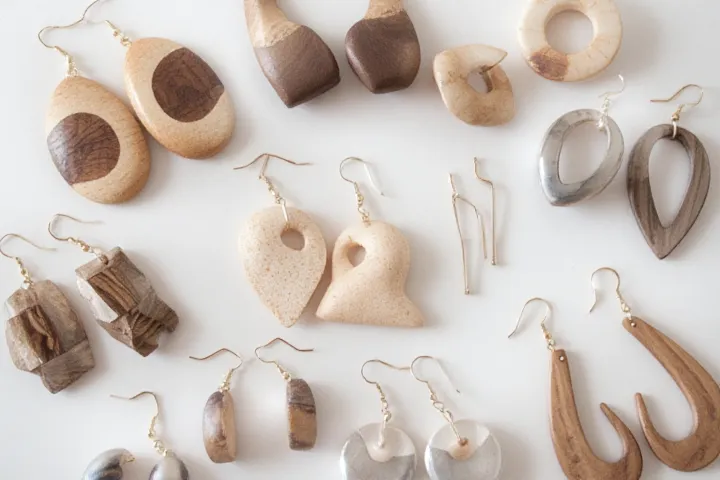
Gravity is not your earlobes’ friend, especially when it’s amplified by heavy jewelry. Years of wearing large, heavy statement earrings can gradually pull on the delicate skin of the lobe, permanently stretching the piercing hole and the surrounding tissue. This is a classic example of `heavy earrings damage`. In more extreme cases, the practice of wearing gauges or “plugs” is a form of intentional, mechanical stretching that significantly alters the earlobe’s structure.
Genetics and Other Contributing Factors
Some individuals are simply genetically predisposed to having thinner skin or less collagen, which can make their earlobes more susceptible to stretching earlier in life. Sudden weight loss can also contribute, as it can reduce the fatty tissue in the lobe that provides natural volume and support. Lastly, trauma, such as an earring being forcefully pulled, can cause an acute tear or split.
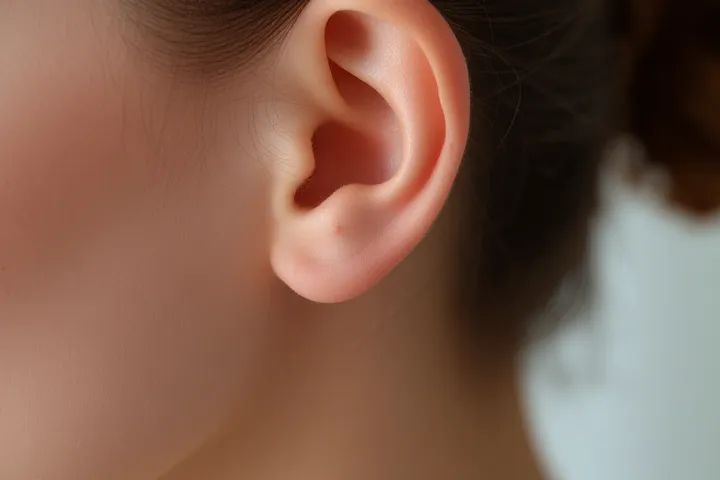
Rejuvenating Your Lobes: Non-Surgical Treatment Options
For those with mild to moderate sagging or thinning, non-surgical options can provide excellent, natural-looking results with minimal downtime. These treatments focus on restoring lost volume and improving skin texture.
Dermal Fillers for Volume and Lift
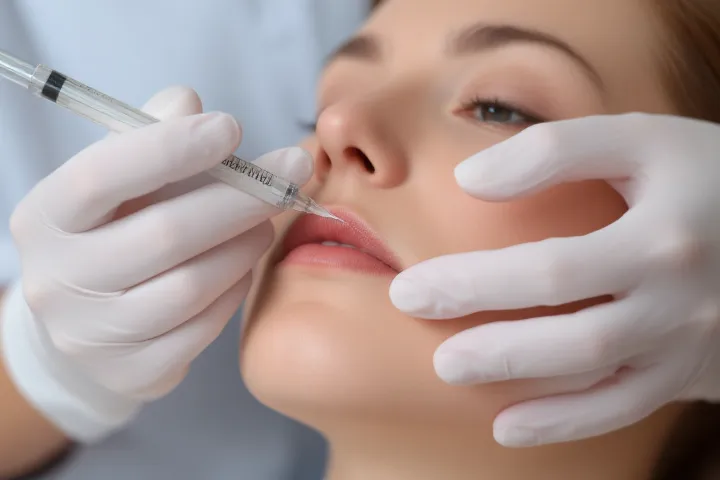
One of the most popular and effective non-surgical treatments involves injecting hyaluronic acid-based `dermal fillers for earlobes`. These are the same types of fillers used to restore volume in the lips and cheeks. When skillfully injected into the earlobe, they can instantly plump up thinning skin, reduce the appearance of creases, and provide better support for earrings. The procedure is quick, typically taking less than 30 minutes, and the results can last from one to two years. For more information on fillers, the American Academy of Dermatology is an excellent resource.
Consider the case of a 60-year-old woman who felt her pearl earrings no longer sat correctly. A small amount of filler restored the lobe’s volume, lifting the pearl back to its proper position. The cost for such a treatment typically ranges from $700 to $1,500 (all currency is mentioned in U.S. dollars for clarity), depending on the product used and the provider.
Topical Treatments and Best Practices
While topical creams cannot reverse significant stretching, products containing retinoids or growth factors can help stimulate collagen production over time, improving the overall skin quality of the earlobe. Consistent sun protection is also crucial, as UV damage accelerates collagen breakdown. Applying sunscreen to your ears daily is a simple but effective preventative measure.
When to Consider a Surgical Solution: Earlobe Repair
For severely stretched, torn, or split earlobes, surgery is the most effective and permanent solution. Known as an `earlobe repair surgery` or “earlobeplasty,” this minor procedure is performed to correct the shape and structure of the lobe.
What Is an Earlobeplasty?
An earlobeplasty is a surgical procedure designed to repair a torn earlobe or reduce the size of an elongated one. According to the American Society of Plastic Surgeons, it is a common and safe procedure. It is ideal for individuals with lobes that have been split by trauma, stretched by heavy earrings, or intentionally expanded with large gauges.
The Procedure, Recovery, and Results
The surgery is typically performed in-office under local anesthesia. The surgeon removes the excess or damaged skin and then meticulously sutures the lobe back together, creating a new, smaller, and more natural shape. The entire process usually takes about an hour for both ears. Recovery is minimal, with most patients returning to normal activities immediately. The stitches are typically removed after one to two weeks. The ear can usually be re-pierced about six to eight weeks after the procedure.
An Expert’s Perspective: A Dermatologist’s Insight
Dr. Julianne Knight, a board-certified dermatologist with over 20 years of experience in cosmetic procedures, notes that earlobe rejuvenation is a growing field. “It’s a concern I see almost daily,” she says. “Patients are often bothered by it for years before realizing how simple the solutions can be. For many, a touch of filler is all that’s needed to restore confidence. For others, a quick surgical repair offers a permanent fix. The most important thing is prevention; I advise my patients to treat the skin on their ears with the same care they give their face.”
A Practical Guide to Preventing Stretched Earlobes
- Choose Lightweight Earrings: Opt for lighter materials for your daily-wear earrings.
- Give Your Lobes a Rest: Avoid sleeping in your earrings and try to have “earring-free” days to allow the skin to recover.
- Use Earring Supports: Special adhesive patches or supportive earring backs can help distribute the weight of heavier jewelry more evenly.
- Reserve Heavy Earrings for Special Occasions: Save your most dramatic, heavy pieces for short-term wear rather than all-day use.
Care, Caution, and Recommendations
When considering any cosmetic procedure for your earlobes, it is essential to prioritize safety and manage expectations.
- Seek a Qualified Professional: Always consult a board-certified dermatologist or plastic surgeon for any procedure, including fillers or surgery. Their expertise ensures the best and safest results.
- Understand the Risks: While generally safe, all procedures carry some risk, such as infection, scarring, or dissatisfaction with the result. Discuss these thoroughly with your doctor.
- Know That Fillers Are Temporary: Non-surgical rejuvenation with dermal fillers is not a permanent solution. You will need maintenance treatments to preserve the results.
- Follow Aftercare Instructions: Proper aftercare following surgery is critical for optimal healing and minimizing scarring. Follow your surgeon’s instructions precisely. Many medical journals, like those found on PubMed Central, detail the importance of post-operative care.
Alert: Be wary of “at-home” or DIY earlobe repair kits and creams. Attempting to fix a split or significantly stretched earlobe without professional medical supervision can lead to infection, improper healing, and permanent scarring. The anatomy of the earlobe requires precise surgical technique for a good cosmetic outcome.
Frequently Asked Questions
Can stretched earlobes go back to normal on their own?
Once the skin and underlying tissues are stretched, they will not shrink back to their original size on their own. Minor stretching may be less noticeable without earrings, but significant elongation is permanent without intervention.
How much does earlobe repair surgery typically cost?
The cost of an earlobeplasty can vary widely based on location and the extent of the repair, but it generally ranges from $500 to $3,000 for a pair of earlobes. As a cosmetic procedure, it is typically not covered by insurance.
Is getting fillers in your earlobes painful?
Most patients report minimal discomfort. A topical numbing cream is usually applied before the injection, and the fillers themselves often contain lidocaine, a local anesthetic, to ensure the process is as comfortable as possible.
How can I prevent my earrings from stretching my earlobes?
The best method is to avoid heavy earrings for prolonged periods. When you do wear them, use earring support patches. Reputable sources like Allure magazine often feature dermatologist-approved tips for this.
What is the recovery time for earlobe surgery?
There is virtually no downtime. You can return to work the same day. The area may be slightly red or tender for a few days, and stitches are typically removed in 7-10 days.
While the childhood tune may be lighthearted, the reality of stretched earlobes is a valid cosmetic issue with a host of modern, effective solutions. From preventative care and minimally invasive fillers to definitive surgical repair, there are more options than ever to help your ears look and feel their best. Discussing your specific concerns with a qualified dermatologist can help you choose the most effective and safest path to restoring your confidence.