A hopeful guide to successfully treating acne scars
Once a breakout finally fades, the battle isn’t always over. For many, the aftermath leaves a lasting reminder in the form of scars and discoloration, which can be just as distressing as the acne itself. If you’re struggling with the ghosts of breakouts past, know that you are not alone and that effective solutions exist. A successful strategy for treating acne scars begins with understanding what they are, how to prevent them, and navigating the powerful at-home and professional treatments available. This guide will provide a clear, realistic, and science-backed roadmap to achieving a smoother, more even-toned complexion.
Understanding the Enemy: What Causes Acne Scars?
An acne scar is the result of the skin’s healing process gone awry. When a pimple—especially a deep, inflamed one like a cyst or nodule—forms, it damages the follicle wall. If the inflammation is severe, it can destroy the surrounding skin tissue. To repair this damage, the body produces new collagen fibers. As the Johns Hopkins Medicine health library explains, if the body produces too little collagen, a depressed (atrophic) scar forms. If it produces too much, a raised (hypertrophic) scar develops. The key takeaway is that scarring is a direct result of inflammation, making prompt and gentle acne control the best preventative measure.

The Two Main Categories: Discoloration vs. Textural Scars
One of the most critical steps in treating acne scars is correctly identifying what you’re dealing with. Many people use the term “scar” to describe any mark left after a pimple, but in dermatology, there’s a crucial difference between simple discoloration and a true textural scar.
Post-Inflammatory Erythema (PIE) and Hyperpigmentation (PIH)
These are marks of discoloration, not true textural scars.
- Post-Inflammatory Erythema (PIE): These are the red or pinkish spots left behind after a pimple, most common in lighter skin tones. They are caused by damage and dilation of tiny capillaries near the skin’s surface during the inflammatory process.
- Post-Inflammatory Hyperpigmentation (PIH): These are the brown or dark spots that remain after a breakout, resulting from an overproduction of melanin. PIH is more common in individuals with deeper skin tones, a topic extensively covered by organizations like the Skin of Color Society.
The good news is that both PIE and PIH are not permanent and will often fade over time, a process that can be sped up significantly with the right treatments.
Atrophic (Depressed) Scars: Ice Pick, Boxcar, and Rolling
These are true scars where there has been a loss of tissue, creating a depression in the skin. They are categorized by their shape:
- Ice Pick Scars: Deep, narrow pits that look like they were made by a tiny ice pick. They are often the most difficult to treat due to their depth.
- Boxcar Scars: Broad, box-like depressions with sharply defined edges. They can be shallow or deep.
- Rolling Scars: Wide depressions with a sloping, wave-like appearance, caused by damage under the skin’s surface.
The Best Treatment Is Prevention: How to Stop Scars Before They Start
You can dramatically reduce your risk of scarring by adopting a few key habits:
- Treat Acne Promptly: The longer and more severely acne is inflamed, the higher the risk of scarring. Start a consistent treatment regimen as soon as breakouts begin.
- Do Not Pick, Pop, or Squeeze: This is the golden rule. Picking at a pimple massively increases inflammation and can force debris deeper into the dermis, making scarring almost inevitable.
- Reduce Inflammation: Use gentle, anti-inflammatory skincare. Avoid harsh scrubs and irritating products that can worsen inflammation.
- Wear Sunscreen Religiously: Sun exposure can darken PIH marks and slow the healing process for all types of scars.
At-Home Strategies for Treating Acne Scars and Marks
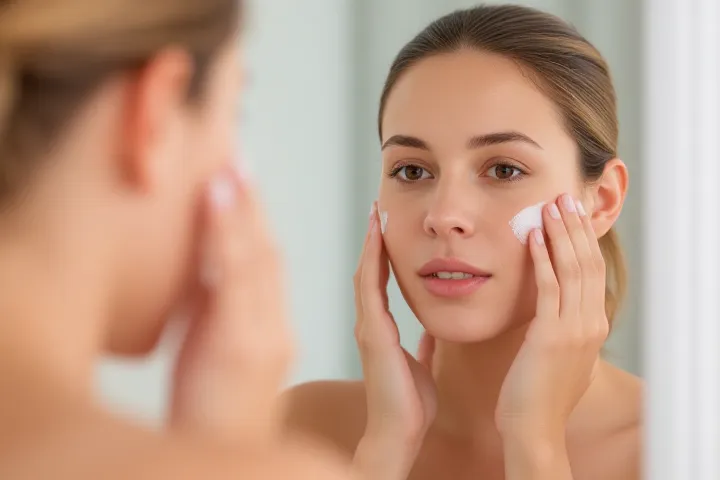
For discoloration and very mild textural issues, a consistent at-home routine with powerful active ingredients can yield significant improvement.
For Discoloration (PIE/PIH): Key Topical Ingredients
To fade red and brown marks, focus on ingredients that inhibit melanin production, promote cell turnover, and protect the skin. Look for products containing Niacinamide, Azelaic Acid, Vitamin C, and Kojic Acid. These can be found in serums and creams often costing between $20 and $60 (USD).
For Mild Texture: Retinoids and Exfoliating Acids
Retinoids (like retinol, tretinoin, and adapalene) are Vitamin A derivatives that are superstars for both acne and mild scarring. They speed up cell turnover and stimulate collagen production, which can help soften the edges of shallow scars over time. Alpha-hydroxy acids (AHAs) like glycolic acid also help by exfoliating the surface of the skin, making shallow scars appear less noticeable.
Professional Procedures for Significant Scar Revision
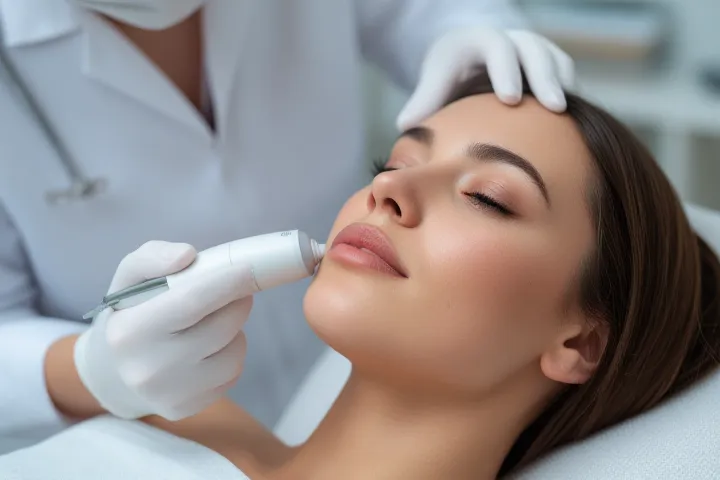
For moderate to severe atrophic or hypertrophic scars, at-home treatments are often insufficient. A consultation with a board-certified dermatologist is necessary to explore professional procedures, which offer much more dramatic results. As the American Academy of Dermatology outlines, several effective options are available.
Laser Resurfacing (Ablative and Non-Ablative)
Lasers use focused light energy to either remove the outer layer of skin (ablative) or heat the underlying dermis to stimulate new collagen growth (non-ablative). This is a highly effective but expensive option, often requiring multiple sessions and significant downtime.
Microneedling (Collagen Induction Therapy)
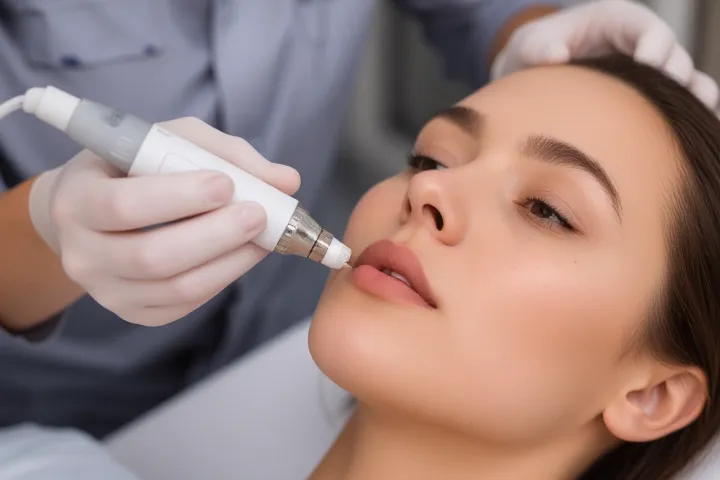
This procedure involves using a device with fine, sterile needles to create tiny micro-injuries in the skin. This process triggers the body’s natural wound-healing response, stimulating the production of new, healthy collagen to fill in atrophic scars. Research, including studies published by the National Library of Medicine, has consistently shown its efficacy in improving the appearance of acne scars.
Alert: Professional treatments like laser resurfacing, deep chemical peels, and microneedling should only ever be performed by a board-certified dermatologist or a highly trained and licensed professional working under their direct supervision. Improper use of these devices can lead to burns, infection, and worsening of scars.
An Expert’s Insight on Setting Realistic Expectations
Dr. David Chen, a board-certified cosmetic dermatologist renowned for his work in scar revision, emphasizes a crucial point. “There is no magic wand for treating acne scars,” he advises. “The goal is improvement, not perfection. For most patients with significant scarring, the best results come from combination therapy—perhaps subcision to break up tethered scars, followed by a series of laser or microneedling sessions to build collagen. It’s a journey that requires patience, investment, and realistic expectations.”
Micro-Case Study: Jasmine’s Combination Approach
Jasmine, 29, was left with a mix of brown spots (PIH) and several shallow boxcar scars on her cheeks after a bout of adult acne. She started with an at-home routine using a nightly retinoid and daily Vitamin C serum. After six months, her PIH had faded dramatically, but the textural scars remained. She then invested in a series of three microneedling sessions, spaced six weeks apart, at a cost of roughly $400 (USD) per session. A year after starting her journey, the depth of her scars was reduced by an estimated 50-60%, a result she was thrilled with.
Care, Caution, and Recommendations
The most critical rule in scar treatment is that your active acne must be under control before you begin aggressive procedures. Performing laser or microneedling on inflamed, active breakouts can spread bacteria and worsen the condition. Furthermore, after any resurfacing procedure, your skin will be extremely vulnerable. Rigorous sun protection with a high-SPF, broad-spectrum sunscreen is non-negotiable to protect the healing skin and ensure the best possible outcome.
Frequently Asked Questions About Acne Scar Treatment
Can acne scars be removed 100%?
In most cases, complete removal is not a realistic goal. The aim of treatment is to make the scars significantly less noticeable. With advanced professional procedures, it’s often possible to achieve a 50-80% improvement in appearance.
What is the most effective treatment for deep, ice pick scars?
Ice pick scars often respond best to a specialized technique called TCA CROSS (Chemical Reconstruction of Skin Scars). This involves the precise application of high-concentration trichloroacetic acid to the base of the scar to stimulate collagen growth from the bottom up.
How long do I have to wait to treat a scar after a pimple heals?
It’s best to wait until the initial red or brown mark (PIE/PIH) has had some time to fade and the underlying tissue has stabilized. Generally, waiting at least a few months before seeking aggressive professional treatment is a good idea, but always consult with your dermatologist.
Are there any risks with professional scar treatments?
Yes, all medical procedures carry some risk. As detailed by professional organizations like the American Society for Dermatologic Surgery, risks can include infection, changes in skin pigmentation (both lightening and darkening), and in rare cases, further scarring. Choosing a qualified, experienced provider minimizes these risks.
The path to smoother skin after acne is a marathon, not a sprint. The journey begins with a solid understanding of your specific type of scarring and a commitment to prevention. While at-home treatments can work wonders on discoloration, true textural scars often require professional intervention. By consulting with a board-certified dermatologist, you can create a personalized and effective plan for treating acne scars. With patience and the right approach, you can significantly diminish these reminders of past breakouts and restore your skin’s health and your confidence.