
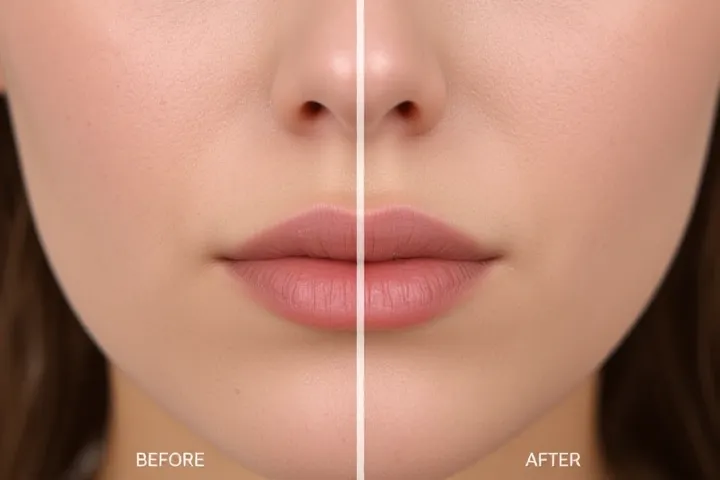
Your complete plan for managing adult acne
For many, acne is a distant high school memory. So, finding new breakouts appearing in your 20s, 30s, 40s, or even later can be frustrating and confusing. If you’re navigating this unexpected skin challenge, you’re not alone. The incidence of adult acne, particularly in women, is on the rise. Effectively treating it requires a different approach than the one you might have used as a teenager, focusing on the unique causes and characteristics of mature skin.
Why Me? Why Now? Unpacking the Causes of Adult Acne
Unlike teenage acne, which is primarily driven by the onset of puberty, adult acne is a more complex issue. It often stems from a combination of hormonal fluctuations, stress, and other lifestyle factors that are hallmarks of adult life. Understanding these triggers is the first step toward an effective treatment plan.
The Hormonal Connection: Fluctuations and Imbalances
Hormones are the number one culprit behind most cases of adult female acne. Fluctuations related to the menstrual cycle, pregnancy, perimenopause, and menopause can lead to an increase in androgens (male hormones). These hormones can stimulate oil glands, leading to clogged pores. This is why many women notice breakouts appearing on the lower face, specifically the chin and jawline, which is a classic pattern for hormonal acne.
Stress, Lifestyle, and Other Modern Triggers
The pressures of a career, family, and financial responsibilities can lead to chronic stress. As the American Academy of Dermatology Association points out, when we are stressed, our bodies produce more cortisol. This stress hormone can increase inflammation and oil production, creating a perfect storm for breakouts. Other contributing factors include:
- Family History: If a close relative had adult acne, you have a higher likelihood of developing it.
- Hair and Skin Products: Comedogenic (pore-clogging) ingredients in makeup, moisturizers, and hair care products can lead to breakouts.
- Diet: While the connection is still being studied, some research suggests high-glycemic foods and certain dairy products may exacerbate acne in susceptible individuals.
- Medications: Certain drugs, including corticosteroids and some antidepressants, can trigger acne as a side effect.
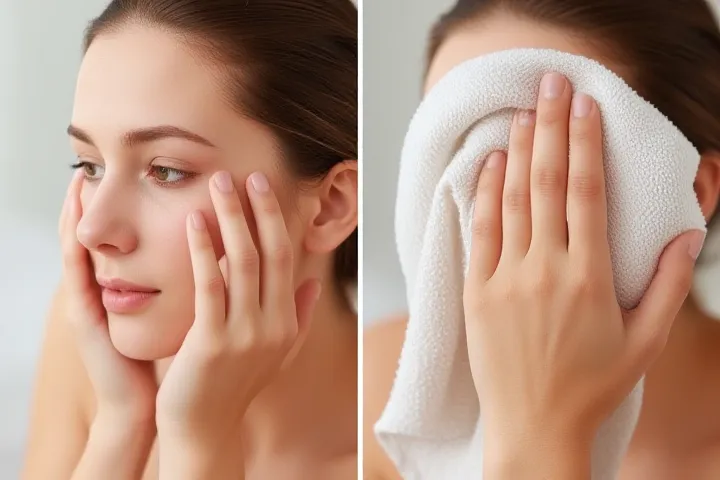
A New Skincare Strategy: Treating Adult Acne Effectively
The skincare that worked for teenage breakouts can be too harsh for adult skin, which is often less oily and more prone to dryness and sensitivity. An effective adult acne treatment plan must balance clearing breakouts with maintaining the skin’s moisture barrier and addressing other concerns like fine lines.
The Core Principles: Gentle, Consistent, and Hydrating
Forget aggressive scrubbing and drying lotions. The goal for adults is to treat acne without stripping the skin. This means using a gentle, non-foaming cleanser, avoiding products with high concentrations of alcohol, and never skipping moisturizer. Consistency is also paramount; it can take 6-8 weeks of consistent use to see results from a new routine.
Key Ingredients for Mature, Acne-Prone Skin
Look for multi-tasking ingredients that can fight acne while supporting overall skin health:
- Retinoids: A powerhouse for both acne and aging. They increase cell turnover to keep pores clear and stimulate collagen production to reduce wrinkles. Adapalene is available over the counter, while stronger versions like tretinoin are available by prescription.
- Salicylic Acid: This beta-hydroxy acid (BHA) is oil-soluble, allowing it to penetrate and exfoliate inside the pore lining. It’s an excellent choice for blackheads and inflammatory pimples.
- Azelaic Acid: A gentler option that helps kill bacteria, reduce inflammation, and improve skin tone by fading the dark marks (post-inflammatory hyperpigmentation) that pimples leave behind.
Building Your Anti-Acne, Pro-Aging Skincare Routine
Combining acne and anti-aging goals might seem complicated, but it can be streamlined into a simple, effective daily regimen.
A Step-by-Step Guide
- Morning: Start with a gentle, hydrating cleanser. Follow with a vitamin C serum for antioxidant protection, then apply a lightweight, non-comedogenic moisturizer. The final and most crucial step is a broad-spectrum sunscreen with at least SPF 30.
- Evening: Thoroughly cleanse your skin to remove makeup and impurities. Apply your treatment product (like a retinoid or salicylic acid serum) to a dry face. Wait a few minutes, then finish with a nourishing moisturizer to support your skin barrier.
A Realistic Micro-Case: Jessica’s Journey to Clarity
Jessica, a 34-year-old graphic designer, started experiencing persistent cystic acne on her jawline. Her old teenage products only made her skin red and flaky. She switched to a simple routine: a gentle cleanser, a nightly over-the-counter 0.1% adapalene gel, and a hydrating moisturizer with ceramides. Her initial product investment was around $60 (all prices mentioned are illustrative and in US dollars). After three months of consistent use, the deep, painful cysts subsided, and her skin texture improved. The key was her commitment to the gentle, nightly retinoid treatment.
When to Escalate: Professional Treatments for Stubborn Acne
If over-the-counter products aren’t making a dent in your adult acne after three months, it’s time to consult a board-certified dermatologist. Persistent or cystic acne can lead to scarring, so early professional intervention is key.
Prescription Topicals and Oral Medications
A dermatologist can provide access to more potent treatments. These may include prescription-strength retinoids, topical antibiotics, or oral medications. For women with clear hormonal patterns to their acne, oral spironolactone or certain birth control pills can be highly effective, as noted by health resources like the Cleveland Clinic.
In-Office Procedures for Acne and Scarring
Dermatologists can also perform procedures to speed up clearing and address residual scarring. These include chemical peels, microneedling, and light therapies that can reduce inflammation and improve skin texture.
Expert Insight: A Dermatologist on Navigating Adult Breakouts
“The biggest mistake I see adults make is attacking their acne with an arsenal of harsh, drying products,” says Dr. Lena Hanson, a board-certified dermatologist specializing in adult female acne. “Adult skin doesn’t recover as quickly as teenage skin. You need to support the skin barrier. I often recommend starting a retinoid on a schedule of just two or three nights a week and sandwiching it between layers of moisturizer to minimize irritation. The goal is to get the benefits without the inflammation.”
Care, Caution, and Recommendations
When incorporating active ingredients like retinoids and acids into your routine, start low and go slow. Introduce one new product at a time and use it just a few times a week initially, gradually increasing frequency as your skin adapts. Over-exfoliating can damage your skin’s protective barrier, leading to more sensitivity and breakouts. As the Mayo Clinic advises, always use sun protection, as these ingredients can increase photosensitivity. If you are pregnant or trying to conceive, you must stop using retinoids and consult your doctor about safe acne treatment options.
Alert: Do not pick or squeeze deep acne cysts or nodules. This type of acne forms deep within the skin, and attempting to pop it will not only be ineffective but will dramatically increase your risk of deep, permanent scarring and infection.
While managing active breakouts is the priority, you may also be concerned about the marks they leave behind. Explore our guide on fading acne scars to complete your clear-skin strategy.

Frequently Asked Questions About Adult Acne
Why am I getting acne as an adult when I had clear skin as a teen?
Adult acne is often driven by different factors than teen acne, primarily hormonal fluctuations and chronic stress. Life changes like starting or stopping birth control, pregnancy, or increased job pressure can all trigger breakouts in adulthood.
What’s the difference between teen acne and adult acne?
Teen acne is often widespread across the face and driven by a surge in oil production. Adult acne tends to be more inflammatory (deeper, tender bumps), concentrated on the lower face, chin, and jawline, and occurs on skin that may also be showing signs of aging.
Can my diet be causing my adult acne?
The link is complex and individual, but some studies suggest a connection. High-glycemic foods (sugary snacks, white bread) and skim milk have been associated with acne flare-ups in some people. Keeping a food journal may help you identify personal triggers.
What are the best ingredients for adult acne?
Look for multitasking ingredients. Retinoids (like retinol or adapalene) treat acne and fine lines. Salicylic acid clears pores, and azelaic acid fights bacteria while also helping to fade dark spots left by old pimples.
Should I use anti-aging and acne products at the same time?
Yes, and many ingredients do both! A retinoid is the perfect example. The key is to build a balanced routine, perhaps using an acne-fighting ingredient at night and an antioxidant or hydrating serum in the morning, always followed by sunscreen.
Tackling adult acne requires a thoughtful, patient, and gentle approach. By understanding its hormonal and lifestyle-driven causes and choosing appropriate, multi-tasking ingredients, you can build a routine that not only clears your skin but also supports its long-term health and vitality. For further reading, government health resources like MedlinePlus offer reliable, easy-to-understand information on skin conditions. Consulting trusted sources such as the U.S. Food and Drug Administration (FDA) can also provide valuable insights into treatment safety and efficacy.