
A practical approach to fighting adolescent acne
Dealing with adolescent acne can be one of the most challenging parts of being a teenager. Just when you’re navigating school, friendships, and new experiences, your skin decides to throw a party of its own—and pimples are the uninvited guests. If you’re tired of breakouts and confusing advice, you’re in the right place. This guide provides effective, dermatologist-approved strategies to help you understand, manage, and treat your skin with confidence. Managing teen acne isn’t about finding a magic cure, but about building a consistent routine that works for you.
Understanding Why Teens Get Acne
Before you can fight it, you need to understand the enemy. Acne isn’t your fault; it’s a medical condition influenced by factors largely outside your control, a fact emphasized by health resources like Johns Hopkins Medicine. When people talk about the causes of adolescent acne, a few key culprits are always part of the conversation.
The Role of Hormones, Genetics, and Bacteria
The primary driver of teen acne is hormonal fluctuation. During puberty, your body produces more androgens (like testosterone). These hormones signal your skin’s oil glands (sebaceous glands) to produce more sebum, an oily substance meant to lubricate your skin. Sometimes, this system goes into overdrive. According to the National Institute of Arthritis and Musculoskeletal and Skin Diseases, this excess sebum can mix with dead skin cells and clog your pores. This clogged pore becomes the perfect home for a type of bacteria called Cutibacterium acnes (C. acnes), leading to the inflammation, redness, and pus that we know as a pimple. Genetics also plays a significant part; if your parents had acne, you’re more likely to experience it too.
Common Myths vs. Scientific Facts
You’ve probably heard it all: “You get acne because you eat chocolate,” or “You just need to wash your face more.” Let’s clear things up.
- Myth: Greasy foods and chocolate directly cause acne.
Fact: While some studies suggest a link between high-glycemic diets (sugary foods, white bread) and acne, there is no direct evidence that specific foods like chocolate or pizza are the root cause. A balanced diet supports overall skin health.
- Myth: You should scrub your face aggressively to get it clean.
Fact: Over-washing and harsh scrubbing can irritate your skin, strip its natural protective barrier, and actually make breakouts worse. Gentleness is key.
- Myth: Tanning clears up acne.
Fact: While a tan might temporarily hide redness, sun exposure can damage your skin, dry it out (causing more oil production later), and increase your risk of skin cancer. Many acne medications also make your skin more sensitive to the sun.
Building a Powerful Daily Skincare Routine
Consistency is more important than complexity. A simple, effective routine performed twice daily is the foundation for managing adolescent acne. Think of it as a non-negotiable part of your day, just like brushing your teeth.
Step 1: Gentle Cleansing
Start your morning and end your day by washing your face with a mild, non-comedogenic (won’t clog pores) cleanser. Use your fingertips to apply it in a circular motion and rinse with lukewarm water. Avoid hot water, which can be irritating. Pat your skin dry with a clean towel—don’t rub.
Step 2: Targeted Treatment
After cleansing, apply a thin layer of an acne treatment product containing a proven active ingredient. We’ll cover these ingredients in the next section. Apply it to all acne-prone areas, not just existing pimples, to help prevent new ones from forming. A pea-sized amount is usually enough for the entire face.
Step 3: Lightweight Moisturization
Many people with oily skin skip moisturizer, thinking it will make acne worse. This is a mistake. Acne treatments can be drying, and dry skin can trigger even more oil production. Choose an oil-free, non-comedogenic moisturizer to keep your skin hydrated and balanced.
Step 4: Sun Protection (Non-Negotiable)
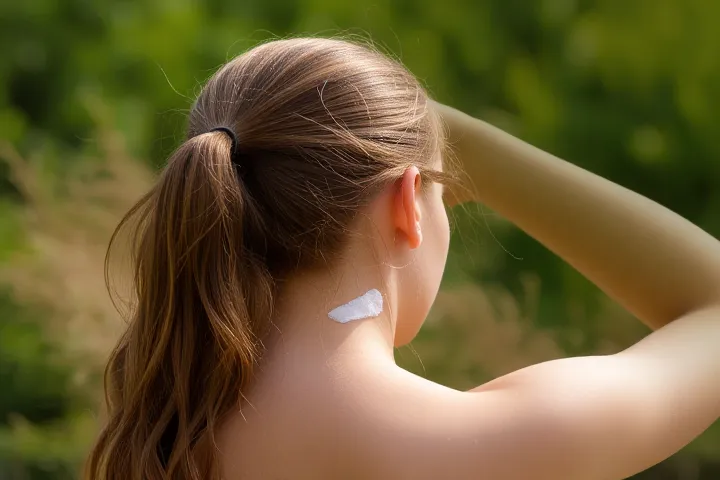
Every morning, finish your routine with a broad-spectrum sunscreen with at least SPF 30. This protects your skin from UV damage, prevents dark spots (post-inflammatory hyperpigmentation) from getting darker, and is crucial if you are using ingredients like retinoids or benzoyl peroxide. Look for formulas labeled “oil-free” or “for acne-prone skin.”
Key Over-the-Counter Ingredients That Actually Work
The skincare aisle can be overwhelming, but a few key ingredients have been scientifically proven to fight adolescent acne. Products with these ingredients are widely available and affordable, often costing between $10 and $25 (USD).
Benzoyl Peroxide: The Bacteria Fighter
Benzoyl peroxide works by killing the C. acnes bacteria that contribute to inflammation. It comes in various strengths (2.5% to 10%). The American Academy of Dermatology Association recommends starting with a lower concentration (2.5% or 5%) to minimize irritation, as higher strengths aren’t always more effective but can be more drying.
Salicylic Acid: The Pore Unclogger
This is a beta-hydroxy acid (BHA) that exfoliates inside the pore, dissolving the mixture of oil and dead skin cells that causes clogs. It’s particularly effective for blackheads and whiteheads. You’ll find it in cleansers, toners, and spot treatments, typically in concentrations of 0.5% to 2%.
Adapalene: The Modern Retinoid
Adapalene is a type of retinoid that was previously available only by prescription. Now, you can buy a 0.1% gel over the counter. It works by regulating skin cell turnover to prevent pores from getting clogged in the first place. It is highly effective but requires patience—it can take 8-12 weeks to see significant results. It also increases sun sensitivity, making daily sunscreen essential.

Lifestyle Habits That Support Clear Skin
While a good skincare routine is your first line of defense, certain lifestyle choices can support your efforts and promote overall skin health.
Diet, Hydration, and Your Skin
While no “acne diet” is a guaranteed fix, focusing on a balanced intake of fruits, vegetables, lean proteins, and whole grains can support your body’s ability to fight inflammation. Staying hydrated by drinking plenty of water throughout the day is also crucial for healthy skin function. Consider reducing your intake of high-sugar foods and drinks to see if it makes a personal difference for you.
The Connection Between Stress, Sleep, and Breakouts
Have you ever noticed you break out more during exam week? That’s the stress connection. As explained by teen health resources like KidsHealth from Nemours, stress causes your body to release cortisol, a hormone that can increase oil production. Prioritizing stress-reducing activities like exercise, listening to music, or talking with friends can help. Aiming for 8-10 hours of quality sleep per night is also vital, as your skin repairs itself while you rest.
A Dermatologist’s Insight on Teen Acne
To provide an expert perspective, we spoke with Dr. Alisha Carter, a board-certified dermatologist with over 15 years of experience specializing in pediatric dermatology. “The most common mistake I see is that teens either do too much or give up too soon,” Dr. Carter explains. “They’ll layer on five different harsh products, which just leads to red, irritated skin. Or, they’ll try something for a week and quit when they don’t see immediate results. Effective adolescent acne management is a marathon, not a sprint. The goal is consistent, gentle care. Find a simple routine and stick with it for at least three months before making a judgment.”
Micro-Case Study: Leo’s Journey
Leo, a 16-year-old, was frustrated with the persistent pimples on his cheeks and forehead. He tried a harsh scrub that left his skin feeling tight and even more irritated. After some research, he decided to simplify. He started a routine using a 2.5% benzoyl peroxide cleanser, a lightweight moisturizer, and a daily SPF 30 sunscreen. He applied the products every single day. After a month, he noticed fewer new breakouts. By the three-month mark, his skin was significantly clearer. His experience shows that consistency with the right gentle products is more effective than an aggressive, inconsistent approach.
When to See a Doctor: Signs It’s Time for Professional Help
Over-the-counter products are great for mild to moderate acne. However, it’s time to consult a dermatologist if:
- Your acne is severe, painful, or cystic (large, deep lumps).
- You’ve been consistent with an OTC routine for 3 months with no improvement.
- Your acne is leaving scars or dark spots.
- It is significantly impacting your self-esteem or mental health.
A dermatologist can offer prescription-strength treatments, including topical and oral medications, that are far more powerful than anything available over the counter. Investing in professional guidance can save you time, money, and frustration in the long run. By understanding your skin and using the right strategies, you can take control of your acne journey, so why not start building your simple routine tonight?
Alert: Never pick, pop, or squeeze pimples. While tempting, it can push bacteria deeper into the skin, increase inflammation, and lead to permanent scarring or dark spots that last much longer than the original pimple would have.
Care, Caution, and Recommendations
Navigating adolescent acne treatment requires a careful approach. First, always introduce new products one at a time. This helps you identify if a specific product is causing irritation. Second, be aware of potential side effects. Benzoyl peroxide can bleach fabrics, so use old towels and pillowcases. Retinoids and salicylic acid can cause initial dryness, peeling, and redness. Start by using them every other day and build up to daily use as your skin adjusts. Finally, always listen to your skin. If a product causes significant stinging, burning, or discomfort, stop using it. The goal is to help your skin, not punish it.

Frequently Asked Questions about Adolescent Acne
What is the fastest way to get rid of a pimple?
There’s no instant fix, but you can reduce its appearance. Apply a spot treatment with benzoyl peroxide or salicylic acid. A cold compress can help with swelling, and a hydrocolloid patch can draw out fluid overnight.
Should I use a toner in my routine?
Toners are optional. Some teens find a gentle, alcohol-free toner with ingredients like salicylic acid helpful, but it’s not a necessary step if your routine is already working and your cleanser is pH-balanced.
Does makeup make acne worse?
Not necessarily, as long as you choose the right products and remove them completely. Look for makeup labeled “non-comedogenic” or “oil-free.” And never, ever sleep in your makeup.
How long does it take for acne treatments to work?
Patience is essential. It typically takes 4-8 weeks to start seeing noticeable improvement from a new acne routine or product, and sometimes up to 12 weeks for the full effect, as confirmed by Mayo Clinic experts.
Is acne different for teenage boys and girls?
Hormones affect both, but patterns can differ. Boys may experience more severe acne due to higher androgen levels. Girls may notice breakouts that follow their menstrual cycle. However, the core treatment principles remain the same for everyone.
Successfully managing adolescent acne is an achievable goal. It requires understanding the real causes, committing to a consistent and gentle skincare routine, and having the patience to let treatments work. Remember that you are not alone in this experience—it is a normal part of growing up. By focusing on these proven strategies and seeking professional help when needed, you are taking powerful steps toward healthier skin and renewed confidence.