
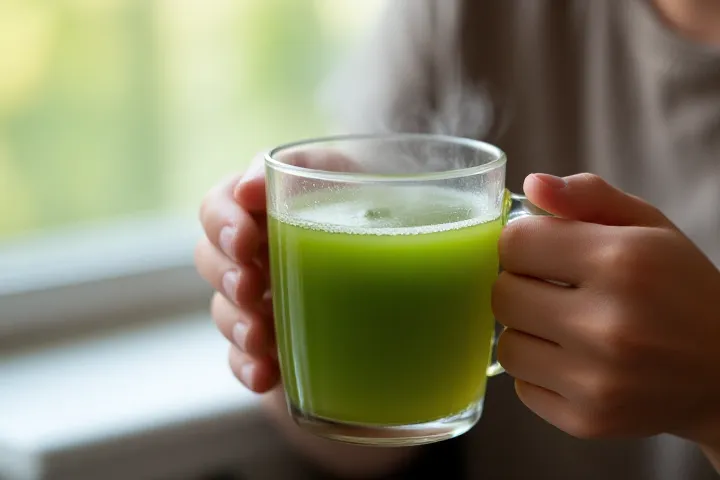
Natural and effective green tea for acne relief
In the often frustrating search for clear skin, the journey can feel like a cycle of trying harsh chemical treatments that promise the world but deliver irritation. Many are now looking toward nature for a gentler, more sustainable solution. Among the most celebrated herbal remedies is green tea. But is the buzz around using green tea for acne just another wellness trend, or is it a genuinely effective strategy rooted in solid science? The overwhelming evidence points to the latter. As a powerhouse of potent antioxidants, green tea offers a way to reduce breakouts, calm angry inflammation, and fundamentally support your skin’s health from both the inside out and the outside in.
How Does Green Tea Work to Fight Acne? A Deeper Look at the Science
The remarkable effectiveness of green tea is not magic; it’s biochemistry. The leaves of the Camellia sinensis plant contain a complex array of bioactive compounds that directly intervene in the biological processes that lead to acne. To truly appreciate its power, it’s essential to understand the key mechanisms at play.
The Power of EGCG and Polyphenols Against Oxidative Stress
At the heart of green tea’s benefits are polyphenols, a class of potent antioxidants. The most researched and abundant of these is Epigallocatechin gallate, or EGCG. Oxidative stress is a state where your body has an imbalance of free radicals—unstable molecules that damage cells, proteins, and DNA. This cellular damage is a major contributor to inflammation. As a study published in the Journal of Clinical and Aesthetic Dermatology highlights, EGCG’s ability to neutralize these free radicals can significantly reduce inflammation, creating a healthier and more resilient skin environment that is less prone to breakouts.
Regulating Sebum Production at the Hormonal Level
A primary catalyst for acne is the overproduction of sebum, the natural oil that can clog pores. This process is often triggered by androgens, a group of hormones. EGCG has been shown to have a gentle “anti-androgenic” effect. It works by partially inhibiting an enzyme called 5-alpha-reductase, which converts testosterone into a more potent androgen, DHT. By modulating this pathway, EGCG helps normalize sebum production without the harsh side effects of systemic medications, making it a valuable tool for managing oily and acne-prone skin.
Calming Inflammation and Inhibiting Bacteria
A pimple is more than just a clogged pore; it’s an inflammatory response. When a pore is clogged, it creates an oxygen-deprived environment where the bacteria Cutibacterium acnes (C. acnes) can thrive. This triggers an immune response, leading to the redness, swelling, and pain of an inflammatory pimple. The polyphenols in green tea are powerful anti-inflammatory agents that help quell this response. Furthermore, as confirmed by the National Center for Complementary and Integrative Health, green tea’s catechins possess direct antimicrobial properties, helping to inhibit the growth of C. acnes on the skin’s surface and reducing the bacterial load that contributes to breakouts.
Two Key Methods: An Inside-Out Approach
To fully leverage the benefits of green tea for acne, a dual approach is most effective. Combining internal consumption with direct topical application ensures you are targeting the condition from every possible angle for synergistic and more sustainable results.
Benefits of Drinking Green Tea for Your Skin
Consuming 2-3 cups of high-quality green tea daily infuses your entire system with EGCG and other healing antioxidants. This systemic approach helps fight inflammation from within, supports the body’s natural detoxification processes via the liver, and contributes to hormonal balance. The health benefits of tea are widely documented by sources like the Harvard T.H. Chan School of Public Health, extending to metabolic and cellular health. For best results, brew loose-leaf green tea with water that is hot but not boiling (around 175°F or 80°C) for 2-3 minutes to extract the delicate catechins without releasing excess tannins that can cause bitterness.
Applying Green Tea Directly for Targeted Relief
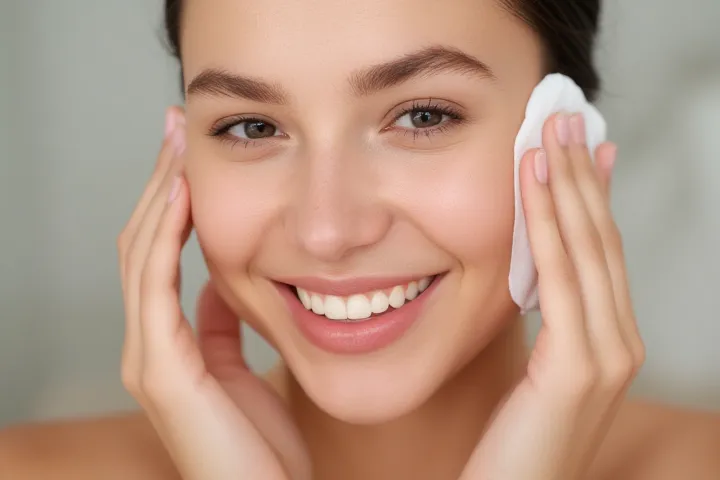
Topical application delivers the anti-inflammatory, oil-regulating, and antibacterial compounds directly to the source of the problem. When applied to the skin, a green tea solution can provide immediate soothing relief from redness and irritation. It works on the surface to control oil and inhibit bacterial growth, making it an excellent complement to your internal consumption. This method is perfect for calming active breakouts and can be seamlessly integrated into your daily skincare routine.
Practical Ways to Use Green Tea in Your Skincare Routine
You don’t need to purchase expensive, formulated products to benefit from green tea. Some of the most potent applications can be made fresh in your own kitchen for just a few dollars (USD), ensuring maximum potency without added fillers or preservatives.
The Simple Green Tea and Witch Hazel Toner
This toner helps soothe skin, reduce the appearance of pores, and offers mild astringent properties without stripping the skin.
- Step 1: Brew a very strong cup of organic green tea (using two tea bags or one tablespoon of loose leaf tea) and let it cool completely.
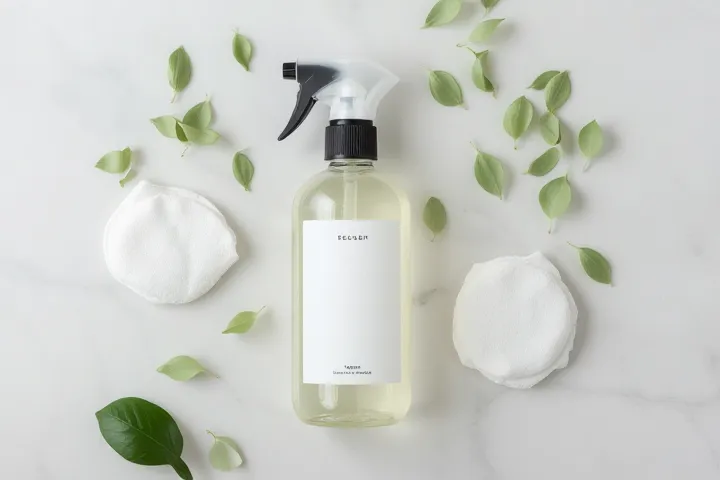
- Step 2: In a clean spray bottle, combine three parts cooled green tea with one part alcohol-free witch hazel.
- Step 3: After cleansing your face, spritz the toner onto your skin or apply it with a reusable cotton pad. Avoid the eye area.
- Step 4: Allow it to absorb fully before applying your serum or moisturizer. You must store this toner in the refrigerator, where it will stay fresh for up to one week.
DIY Green Tea, Honey, and Aloe Mask
This mask is a true multi-tasker, combining green tea’s benefits with the antibacterial properties of honey and the intense soothing power of aloe.
- Step 1: Cut open a cooled, damp green tea bag and empty the leaves into a small bowl. Alternatively, use one teaspoon of fine matcha powder.
- Step 2: Add one tablespoon of raw, unpasteurized honey and one tablespoon of pure aloe vera gel to the bowl.
- Step 3: Mix thoroughly until you have a smooth, consistent paste.
- Step 4: Apply a thin layer to your clean, dry face, focusing on breakout-prone areas. Let it sit for 15-20 minutes. The mask will feel soothing and should not harden. Rinse thoroughly with lukewarm water.
A Clinical Nutritionist’s Insight on Herbal Remedies
Dr. Evan Richards, a clinical nutritionist and specialist in botanical medicine, offers his perspective: “Patients often seek a single ‘magic bullet’ for acne, but a holistic view is crucial. While green tea isn’t a standalone cure, it’s one of the most rigorously researched botanicals for promoting skin homeostasis. Its unique ability to modulate sebum and reduce inflammation makes it a powerful complementary treatment. I advise clients to pair topical use with daily consumption for a synergistic effect, a principle supported by research from institutions like the Linus Pauling Institute on the systemic benefits of flavonoids. It’s about creating an internal environment that is less prone to inflammation, and green tea is an excellent tool for that.”
Micro-Case Study: Maya’s Holistic Journey
Maya, a 22-year-old student, dealt with persistent and painful inflammatory acne on her chin and jawline. She had tried countless over-the-counter products that left her skin feeling dry, tight, and even more irritated. Skeptical but seeking a gentler alternative, she committed to a holistic green tea regimen. She replaced her morning coffee with a cup of matcha and had a second cup of sencha green tea in the afternoon. Every evening, she used the simple green tea toner after cleansing. The first two weeks brought only a subtle decrease in redness. By the six-week mark, however, she noticed she was getting far fewer new deep pimples. After three months, her skin was the clearest it had been in years. Her journey highlights that consistency and a dual-approach are vital.
Alert: Always perform a patch test before applying any new DIY preparation to your entire face. Apply a small amount to a discreet area, such as behind your ear or on your inner arm, and wait 24 hours to ensure there is no redness, itching, or irritation.
Care, Caution, and Recommendations
While using green tea for acne is overwhelmingly safe, responsible use is key. Always choose high-quality, preferably organic, green tea to avoid contaminants. When consuming it, be mindful of the caffeine content, which can affect sleep or exacerbate anxiety in sensitive individuals. Topically, freshly brewed tea is best, as bottled green tea drinks are often loaded with sugar and preservatives that can harm the skin. Finally, remember that natural remedies are not instantaneous. Integrating this simple, affordable herb could be the gentle, consistent support your skincare routine needs to truly thrive.
Frequently Asked Questions About Green Tea and Acne
Does drinking green tea actually help with acne?
Yes, absolutely. Drinking green tea delivers anti-inflammatory antioxidants systemically, helping to balance the hormones that trigger excess oil production and supporting your body’s overall health from the inside out.
Is it better to drink green tea or apply it to the skin for acne?
Both methods are highly effective and target acne in different but complementary ways. For the most comprehensive and lasting results, experts recommend combining daily consumption with regular topical application.
How long does it take for green tea to work on acne?
Patience and consistency are crucial. You may notice a reduction in surface redness and inflammation within a few weeks of topical use. However, it can take 6-12 weeks of consistent internal and external use to see significant, stable changes in breakout frequency and severity.
Can I use store-bought bottled green tea on my face?
It is strongly advised not to. Most commercially bottled green teas contain very little actual EGCG and are high in sugar, citric acid, and preservatives, which can irritate the skin, disrupt its pH balance, and potentially worsen acne.
Does the type of green tea matter? (e.g., Matcha vs. Sencha)
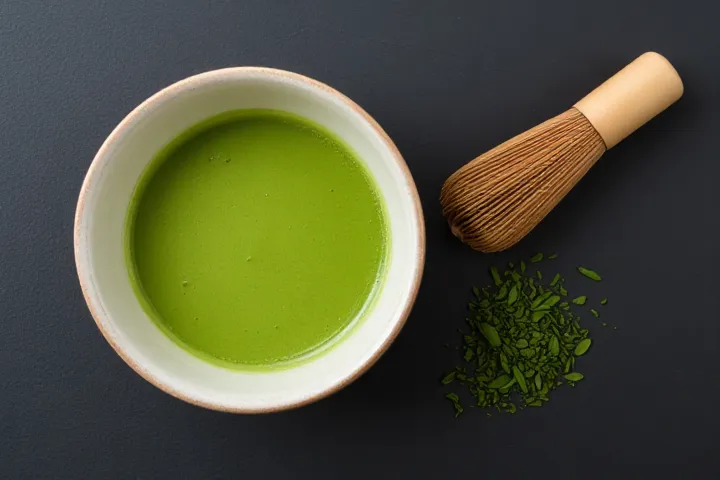
Yes, to some extent. Matcha is a powdered form of the entire tea leaf, making it the most concentrated source of antioxidants like EGCG. Sencha is a high-quality, common Japanese green tea that is also excellent. While any pure green tea is beneficial, matcha offers the most potent dose.
Using green tea for acne is a strategy deeply rooted in both traditional wisdom and modern scientific validation. Its unique concentration of powerful antioxidants, especially EGCG, works on multiple fronts to reduce sebum, calm inflammation, and inhibit acne-causing bacteria. By embracing both internal consumption and direct topical application, you provide your skin with a holistic, gentle, and effective tool for its healing journey. Committing to this approach requires patience, but it offers a safe, natural, and affordable path toward achieving the clear, healthy skin and lasting confidence you deserve.