

Get more nutrients when you eat the skin of a kiwi
For most of us, eating a kiwi involves a familiar ritual: slicing it in half and scooping out the vibrant green flesh with a spoon, leaving the fuzzy brown skin behind. But what if you’ve been throwing away one of the most nutritious parts of the fruit? The question of whether you can or should eat the skin of a kiwi is a common point of curiosity, and the answer is a surprising and resounding yes. Not only is the skin edible, but it’s also a nutritional powerhouse packed with fiber, vitamins, and antioxidants. This definitive guide will explore the science-backed benefits, potential downsides, and the best ways to prepare kiwi skin, empowering you to make an informed choice.
The Surprising Truth About That Fuzzy Brown Peel
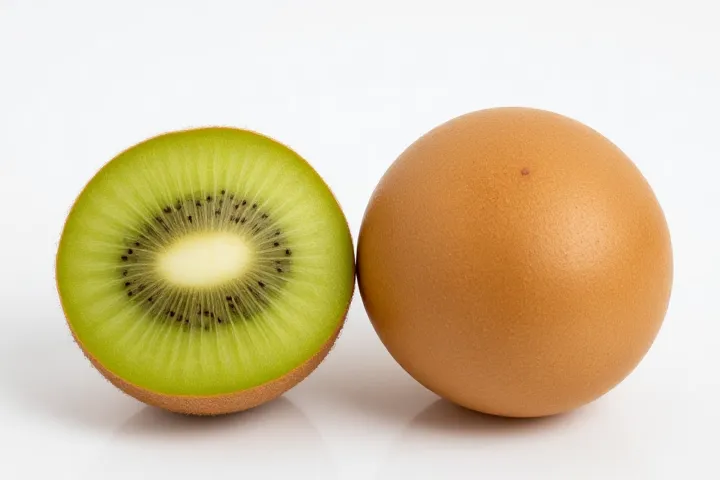
The main reason most people discard the kiwi skin is its unique, fuzzy texture. The thought of eating this furry peel can be off-putting. However, the skin is completely edible and, from a nutritional standpoint, is a highly valuable part of the fruit. By discarding the skin, you are missing out on a significant concentration of key nutrients that support digestive health, immune function, and overall well-being. Furthermore, with the rise of food sustainability and waste reduction, eating the whole fruit is a simple way to get more value from your produce.
The Nutritional Powerhouse: Why You Should Consider Eating Kiwi Skin
The skin of a kiwi is not just edible filler; it is densely packed with nutrients. Consuming the skin along with the flesh can dramatically increase the fruit’s health benefits. In fact, research shows that the skin contains a higher concentration of certain vital compounds than the flesh alone.
A Major Boost in Fiber
One of the most significant benefits is the dramatic increase in fiber. The skin contains the majority of the fruit’s fiber content. According to data from health authorities and synthesized in resources like those from Healthline, eating the skin can increase the fiber content by as much as 50%. This dietary fiber is crucial for maintaining a healthy digestive system, promoting regular bowel movements, and feeding beneficial gut bacteria.
A Concentration of Vitamin C and E
Kiwi fruit is famous for its high vitamin C content, and the skin provides an extra boost. More impressively, the skin is a particularly rich source of Vitamin E, a fat-soluble antioxidant that is less common in low-fat foods like fruit. Consuming the skin can significantly increase your intake of this vital nutrient, which helps protect cells from oxidative damage.
Rich in Folate and Antioxidants
The skin is also a treasure trove of folate, a crucial B vitamin that is essential for cell growth and replication, making it particularly important for pregnant women. Additionally, the skin contains a high concentration of antioxidants, including flavonoids and other polyphenols. These compounds help combat inflammation and can reduce the risk of chronic diseases. Nutritional databases like the USDA FoodData Central provide a complete picture of the nutrients found in the whole fruit.
 The Downsides and How to Address Them
While nutritionally beneficial, there are a few valid reasons why some people hesitate to eat the skin of a kiwi. Fortunately, most of these concerns can be easily mitigated.
The Texture Factor: Overcoming the Fuzz
The fuzzy texture of the common green kiwi (Actinidia deliciosa) is the biggest hurdle for most people.
-
- Rub the Fuzz Off: You can significantly reduce the fuzz by rubbing the kiwi with a clean towel or the back of a spoon before washing.
– Choose Golden Kiwis: If the fuzz is a deal-breaker, opt for golden or yellow kiwis (Actinidia chinensis). These varieties have a smooth, thin, bronze-colored skin that is much more palatable.
Oral Allergy Syndrome and Other Sensitivities
For some individuals, eating kiwi skin can cause a mild, localized allergic reaction in the mouth known as Oral Allergy Syndrome (OAS). This is because kiwi contains proteins similar to those found in birch pollen and latex. According to the American Academy of Allergy, Asthma & Immunology (AAAAI), if you have these allergies, you may experience an itchy or tingling mouth. Additionally, kiwi skin contains tiny calcium oxalate crystals, which can cause microscopic scratches on the sensitive skin inside your mouth, leading to irritation.
The Concern Over Pesticides
Like many fruits, kiwis may be grown with pesticides, and residues can remain on the skin. To minimize your exposure, it is essential to wash the fruit thoroughly. The Environmental Protection Agency (EPA) recommends washing all produce under plain running water before eating. For kiwis, gently scrubbing the skin with a vegetable brush can help remove both residues and some of the fuzz. Choosing organic kiwis can further reduce your risk of pesticide exposure.
How to Prepare and Eat Kiwi Skin: A Step-by-Step Guide
- Choose Your Kiwi: Select a firm but ripe kiwi. If you’re new to eating the skin, start with a golden kiwi for a smoother experience.
- Wash Thoroughly: Wash the kiwi under cool, running water. Use a vegetable brush or a clean towel to gently scrub the skin. This will remove any dirt, bacteria, and pesticide residues.
- Remove the Ends: Slice off the hard, woody nub where the stem was attached.
- Slice and Enjoy: Simply slice the kiwi into thin, coin-shaped rounds and eat it whole. The tartness of the skin provides a nice balance to the sweet flesh. Alternatively, you can dice it and add it to fruit salads or blend the entire kiwi into a smoothie to completely hide the skin’s texture.
A Practical Example: Alex’s Week-Long Kiwi Experiment
Alex was a longtime kiwi fan who always scooped out the flesh. After reading about the nutritional benefits, Alex decided to try eating the skin for one week. On day one, Alex washed a green kiwi and took a bite; the fuzzy texture was unpleasant. On day two, Alex used a towel to rub off most of the fuzz first—a major improvement. By day four, Alex tried a golden kiwi and was amazed by the thin, smooth skin. On the weekend, Alex blended a whole green kiwi into a morning smoothie and couldn’t even detect the skin. Alex is now a convert, enjoying the extra nutrients and the benefit of zero food waste.
Expert Insight: A Dietitian’s Perspective on Whole-Fruit Consumption
Dr. Lena Rivera, R.D., a clinical dietitian with 15 years of experience in nutritional science, explains the principle: “Nature is incredibly intelligent. It often packages synergistic nutrients together in fruits. The skin of a fruit is a protective barrier, and to protect the flesh, it’s loaded with antioxidants and fiber. By eating the whole fruit as intended, like with an apple or a kiwi, you are getting the full nutritional profile in the way it was meant to be consumed. As long as it’s washed properly and you have no specific allergies, eating the skin is one of the best ways to maximize your nutrient intake.”
Care, Caution, and Recommendations
While eating kiwi skin is safe for most people, there are exceptions. If you have a known allergy to kiwis, latex, or birch pollen, you should avoid eating the skin, as it has a higher concentration of the allergenic compounds. The skin is also high in oxalates, which can be a concern for a small subset of the population. Always introduce new foods into your diet slowly and listen to your body.
Alert: Individuals with a history of calcium oxalate kidney stones should exercise caution. Kiwi skin is high in oxalates, which can bind with calcium and contribute to stone formation in susceptible people. If you are prone to this type of kidney stone, it is best to consult your doctor before adding kiwi skin to your diet. Information from health authorities like the National Institute of Diabetes and Digestive and Kidney Diseases can provide more context on oxalate-rich foods.
By starting with small amounts and preparing it properly, most people can enjoy the enhanced flavor and nutrition that the skin provides.

Frequently Asked Questions (FAQ)
Is it actually safe to eat kiwi skin?
Yes, for the vast majority of people, it is perfectly safe to eat kiwi skin. It is important to wash it thoroughly to remove any dirt or pesticide residues, just as you would with any other fruit.
What does kiwi skin taste like?
The skin of a green kiwi is slightly tart and has a more robust flavor than the flesh. The skin of a golden kiwi is much thinner and has a less pronounced taste that blends seamlessly with the sweet flesh.
Do I need to wash the kiwi if I’m not eating the skin?
Yes, you should always wash a kiwi before cutting it. Bacteria and germs from the skin can be transferred to the flesh of the fruit via the knife as you slice it.
Is the skin of a golden kiwi also nutritious?
Yes, the smooth skin of a golden kiwi is also packed with nutrients, particularly fiber and vitamin C, and is a great entry point for those who are hesitant about the fuzzy texture of green kiwis.
In conclusion, the decision to eat the skin of a kiwi is a personal one, but it is an option that is backed by nutritional science. If you can get past the initial textural unfamiliarity, you will be rewarded with a boost of fiber, vitamins, and antioxidants, all while reducing food waste. Whether you choose to be bold and bite right in, or ease into it by blending it into a smoothie, embracing the whole kiwi is a simple and powerful way to enhance an already delicious and healthy fruit.