
The 5 pillars to naturally lower cholesterol levels
A high cholesterol diagnosis can be alarming, often bringing with it concerns about heart health and the potential need for lifelong medication. While prescription drugs are essential for many, a powerful and foundational approach to managing cholesterol lies in your daily choices. By adopting targeted lifestyle strategies, it is possible to naturally lower cholesterol levels and significantly reduce your risk of cardiovascular disease. This guide provides five effective, science-backed steps to help you take control of your numbers and build a healthier future.
Understanding Cholesterol: More Than Just a Number
Before diving into the solutions, it’s important to understand what cholesterol is. It’s a waxy, fat-like substance that your body needs to build cells and make vitamins and other hormones. However, too much of the wrong kind of cholesterol in your blood can combine with other substances to form plaque, which can stick to the walls of your arteries, a condition known as atherosclerosis. This can lead to serious complications, including heart attacks and strokes.
Good vs. Bad: A Quick Look at HDL and LDL
Not all cholesterol is created equal. The two main types you’ll see on a lab report are LDL (low-density lipoprotein) and HDL (high-density lipoprotein). LDL is often called “bad” cholesterol because it contributes to plaque buildup. HDL is known as “good” cholesterol because it helps carry LDL cholesterol away from the arteries and back to the liver, where it’s broken down and removed from the body.
The 5-Step Strategy to Improve Your Cholesterol
The goal of any plan to naturally lower cholesterol levels is twofold: decrease your LDL and triglycerides while increasing your protective HDL. These five steps work together synergistically to achieve that balance.
Step 1: Embrace a Heart-Healthy Eating Pattern
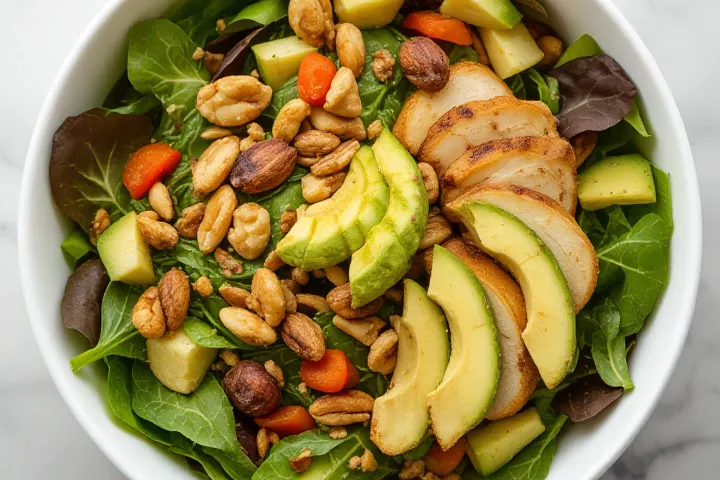
Your diet is the single most powerful tool in your cholesterol-lowering arsenal. Instead of focusing on restricting single foods, adopt a broad, healthy eating pattern like the Mediterranean or DASH diet.
- Load Up on Fruits and Vegetables: They are rich in antioxidants and fiber, which are beneficial for heart health and help lower cholesterol.
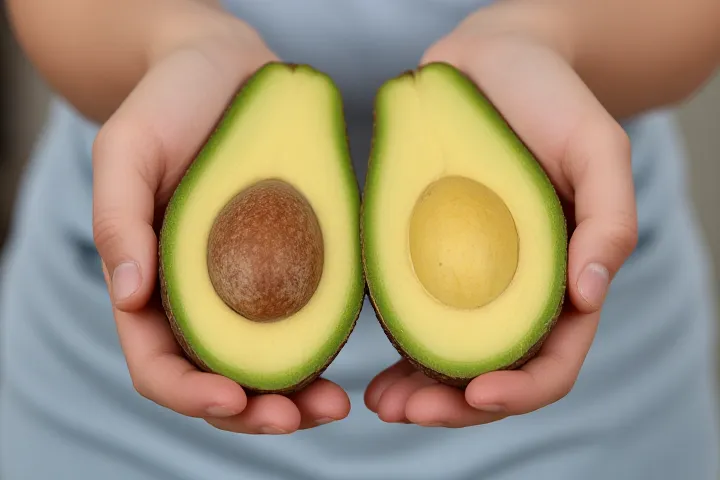
- Choose Healthy Fats: Replace unhealthy saturated and trans fats with unsaturated fats found in foods like avocados, nuts, seeds, and olive oil.
- Incorporate Omega-3 Fatty Acids: Found in fatty fish like salmon, mackerel, and herring, omega-3s don’t lower LDL directly but are excellent for heart health as they can help lower triglycerides and blood pressure. The American Heart Association recommends eating fish at least two times per week.
Step 2: Integrate Soluble Fiber and Plant Sterols
Certain food components have a direct cholesterol-lowering effect. Making them a regular part of your diet can produce measurable results.
- Prioritize Soluble Fiber: This type of fiber dissolves in water to form a gel-like substance in your digestive tract. This gel binds to cholesterol and bile acids, preventing their absorption into the bloodstream. Excellent sources include oats, barley, beans, lentils, apples, and citrus fruits.
- Look for Plant Sterols and Stanols: These are compounds found naturally in small amounts in many plant foods. As explained by medical experts at the Mayo Clinic, they work by blocking the body from absorbing cholesterol. They are also added to some foods like certain margarines, orange juice, and cereals.
Step 3: Make Regular Physical Activity a Priority
Exercise is a critical component of a heart-healthy lifestyle. It impacts cholesterol levels in multiple positive ways and is essential for overall cardiovascular fitness.
- Boost Good Cholesterol: Regular moderate-intensity aerobic exercise has been shown to raise HDL (good) cholesterol levels.
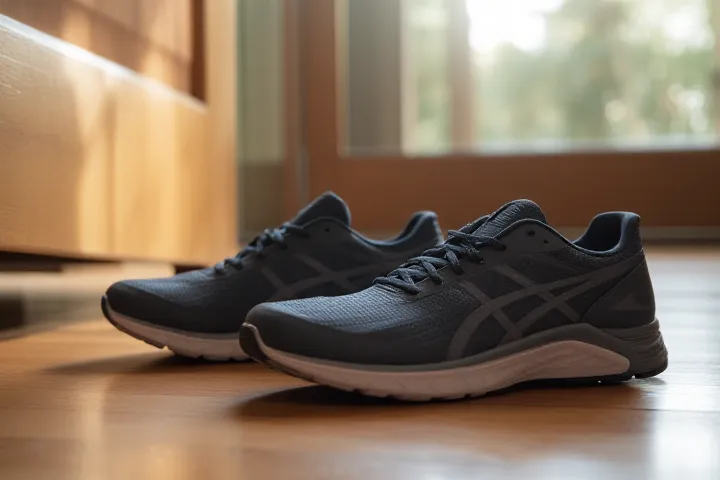
- Improve Overall Fitness: Aim for at least 150 minutes of moderate-intensity aerobic activity, such as brisk walking, swimming, or cycling, each week. As recommended by the CDC, this level of activity helps maintain a healthy weight and improves heart function.
- Consistency is Key: You don’t need to run a marathon. The most important factor is consistency. Find an activity you enjoy and make it a non-negotiable part of your routine.
Step 4: Achieve and Maintain a Healthy Weight
Carrying even a few extra pounds, particularly around your abdomen, can contribute to higher cholesterol levels. Losing weight can have a significant impact on your LDL numbers.
- Modest Weight Loss is Effective: You don’t need to achieve a dramatic transformation. The National Heart, Lung, and Blood Institute (NHLBI) notes that losing just 5% to 10% of your body weight can significantly improve your cholesterol levels and other heart disease risk factors.
- A Result of Other Habits: Weight loss is often a natural outcome of adopting the dietary changes and exercise habits mentioned in the other steps, creating a positive feedback loop for your health.
Step 5: Eliminate Trans Fats and Reduce Saturated Fats
While some dietary changes are about adding good things, this one is about removing the bad. Certain fats are particularly damaging to your cholesterol profile.
- Eliminate Artificial Trans Fats: These are the worst offenders for your health, as they both raise bad LDL and lower good HDL. The FDA has banned the use of their primary source (partially hydrogenated oils) in foods, but check labels on older pantry items or imported goods.
- Limit Saturated Fats: Found primarily in red meat, full-fat dairy products, and tropical oils like coconut and palm oil, saturated fats can raise your LDL cholesterol. Opt for leaner cuts of meat, low-fat dairy, and olive oil instead.
A Practical Example: Maria’s Journey to Healthier Cholesterol
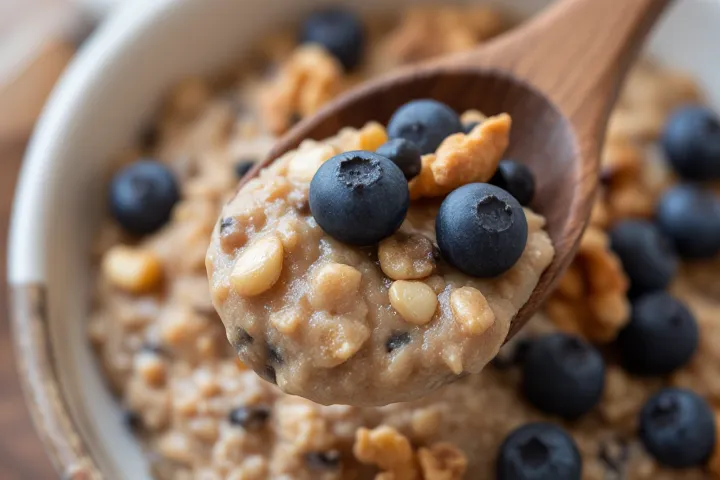
Maria, a 55-year-old office manager, learned during a routine check-up that her LDL cholesterol was 165 mg/dL, putting her in a high-risk category. Her doctor wanted to start her on medication, but agreed to let her try lifestyle changes for three months first. Maria replaced her morning bagel with a bowl of oatmeal and berries (Step 2), started a 30-minute brisk walk every lunch break (Step 3), swapped steak for salmon twice a week (Step 1), and was mindful about reading labels to avoid hidden fats (Step 5). After three months, her LDL had dropped to 130 mg/dL. This significant improvement motivated her to continue her new habits for the long term.
Expert Insight: The Power of Consistent Lifestyle Changes
According to Dr. Samuel Jones, a preventive cardiologist with 20 years of experience, “While medications have their place, the foundation of cardiovascular health is lifestyle. I have seen patients achieve remarkable improvements in their cholesterol profiles through consistent, mindful changes in diet and activity. These efforts to naturally lower cholesterol levels do more than just improve a lab number; they reduce inflammation, improve blood pressure, and enhance overall quality of life.”
Care, Caution, and Recommendations
The information presented here is for educational purposes only and is not a substitute for professional medical advice. You must consult with your healthcare provider before making any significant changes to your diet or exercise routine, especially if you have pre-existing health conditions. High cholesterol can have genetic components, and for some individuals, lifestyle changes alone may not be enough to reach safe levels. Always follow your doctor’s recommendations.
Alert: Do not stop taking any prescribed cholesterol medication, such as statins, without consulting your doctor. Abruptly discontinuing medication can cause a rebound in cholesterol levels and significantly increase your risk of a heart attack or stroke.
By taking these first steps and committing to a heart-healthy lifestyle, you are making a powerful investment in your long-term health and vitality.
Building a Sustainable Heart-Healthy Lifestyle
The key to success is to view these steps not as a temporary diet but as a permanent lifestyle upgrade. Start small, celebrate your progress, and be patient with yourself. The journey to naturally lower cholesterol levels is also a journey toward more energy, better health, and a reduced risk for many chronic diseases. By consistently applying these five principles, you empower yourself to take charge of your cardiovascular health for years to come.
Frequently Asked Questions (FAQ)
How long does it take to lower cholesterol naturally?
With consistent diet and exercise changes, many people can see a noticeable improvement in their cholesterol numbers within three to six months. The exact timeline varies depending on individual factors like genetics, starting cholesterol levels, and the consistency of your efforts.
Can I lower cholesterol with diet alone?
Diet is the most powerful tool for lowering cholesterol, and for some, it can be enough to reach their goals. However, combining diet with regular exercise and weight management typically yields the best and most sustainable results.
What are the worst foods for high cholesterol?
Foods high in artificial trans fats and saturated fats are the most detrimental. This includes many commercially baked goods, fried foods, fatty cuts of red meat, and full-fat dairy products.
Do I still need medication if I make these changes?
This is a critical question for your doctor. For some, lifestyle changes may be sufficient, while for others with very high cholesterol or other risk factors, medication may still be necessary to ensure their heart health is protected.