

Soothe your mind with these simple tips for stress relief
In a world of constant notifications, deadlines, and pressures, feeling stressed can seem like an unavoidable part of modern life. When left unchecked, however, stress can take a significant toll on your mental and physical health. The good news is that you have the power to manage it. This guide offers five simple but powerful tips for stress relief that you can use anytime, anywhere, to calm your mind, soothe your nervous system, and boost your spirits in moments of overwhelm.
Understanding the Stress Response in a Modern World
Stress is your body’s natural reaction to a perceived threat, triggering a “fight-or-flight” response that floods your system with hormones like adrenaline and cortisol. While this was useful for escaping ancient predators, today’s chronic stressors—like a difficult project at work or financial worries—can keep this system activated far longer than is healthy. Learning to consciously deactivate this response is the key to effective stress management and long-term well-being.

Your 5-Point Toolkit for Immediate Stress Relief
Think of these techniques as a first-aid kit for your mind. They are designed to be accessible, free, and effective at interrupting the stress cycle and bringing you back to a state of calm. Mastering these simple tips for stress relief can provide you with a profound sense of control over your emotional state.
Tip 1: Master the Art of Mindful Breathing
Your breath is one of the most powerful tools you have for regulating your nervous system. When you’re stressed, your breathing becomes shallow and rapid. By intentionally slowing it down, you send a signal to your brain that the threat has passed.
- Try Box Breathing: Inhale slowly through your nose for a count of four. Hold your breath for a count of four. Exhale slowly through your mouth for a count of four. Pause for a count of four. Repeat this cycle for one to two minutes.
- Why It Works: According to the American Psychological Association, mindful breathing practices like this stimulate the vagus nerve, which activates your parasympathetic nervous system—your body’s “rest and digest” mode—lowering your heart rate and blood pressure.
Tip 2: Engage Your Senses with the 5-4-3-2-1 Grounding Technique
When you’re stressed, your thoughts can spiral, focusing on past worries or future fears. Grounding techniques pull your attention out of your head and into the present moment by focusing on your senses.
- Follow These Steps: Pause and look around you. Name 5 things you can see. Name 4 things you can feel (the chair beneath you, the texture of your shirt). Name 3 things you can hear. Name 2 things you can smell. Finally, name 1 thing you can taste.
- Why It Works: This technique interrupts anxious thought patterns by forcing your brain to focus on the concrete, neutral information your senses are providing. It’s a simple and effective way to halt a spiral, as noted by mental health resources from the University of Rochester Medical Center.
Tip 3: Incorporate Short Bursts of Physical Movement
Stress creates a nervous energy in the body that needs to be released. You don’t need a full workout to feel the benefits; even small amounts of movement can make a big difference.
- Take a “Movement Snack”: Get up from your desk and do some gentle stretches. Walk briskly around your office or home for five minutes. Even just shaking your arms and legs can help dissipate tension.
- Why It Works: Physical activity boosts the production of endorphins, your brain’s feel-good neurotransmitters. As the CDC highlights, regular physical activity is one of the most effective ways to improve mental health and manage stress.
Tip 4: Practice Expressive Writing or “Brain Dumping”
Often, stress is amplified by thoughts and worries swirling endlessly in our minds. Getting them out of your head and onto paper can provide immense relief.
- Set a Timer: Take a notebook and pen and write for 5-10 minutes without stopping. Don’t worry about grammar or making sense. Write down everything you’re worried about, frustrated by, or scared of.
- Why It Works: This “brain dump” externalizes your anxious thoughts, making them feel more manageable and less overwhelming. The National Institute of Mental Health (NIMH) recognizes journaling and expressive writing as effective techniques for processing difficult emotions and reducing stress.
Tip 5: Connect with Nature, Even for a Few Minutes
Humans have an innate connection to the natural world, and tapping into it can have a profound calming effect. You don’t need to go on a long hike to experience the benefits.
- Find a Dose of Green: Step outside and feel the sun or a breeze on your skin for a few minutes. Look closely at a tree or a flower. If you can’t go outside, look out a window or spend a moment with an indoor plant.
- Why It Works: Exposure to natural environments has been shown to lower cortisol levels, reduce blood pressure, and improve mood. Even brief interactions with nature can help soothe a stressed mind, a benefit the American Heart Association notes is beneficial for overall heart health.
A Practical Example: Sarah’s Midday Reset
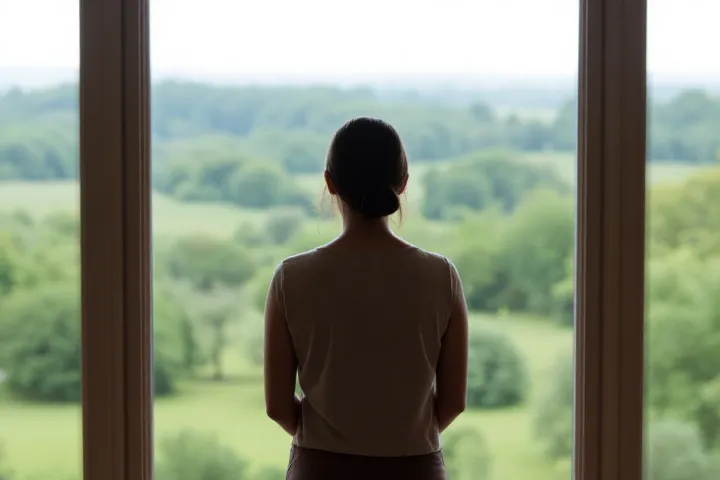
Sarah, a graphic designer, was feeling completely overwhelmed by an impending project deadline. Her heart was racing, and she couldn’t focus. Instead of pushing through, she paused. She did one minute of box breathing at her desk (Tip 1). Then, she stood up, walked to a window, and used the 5-4-3-2-1 technique, noticing the clouds, the hum of the air conditioning, and the faint smell of coffee (Tip 2). Finally, she walked quickly down and up a flight of stairs (Tip 3). After just five minutes, she returned to her desk feeling calmer and more clear-headed, ready to tackle her work with a fresh perspective.
Expert Insight: The Power of Proactive Micro-Habits
According to Dr. Lena Petrov, a clinical psychologist specializing in stress and anxiety disorders with 15 years of practice, “The most effective approach to stress is not about eliminating it, but about building a toolkit of regulatory skills. These simple, accessible ‘micro-habits’ are incredibly powerful. They are not trivial; they are practical techniques for down-regulating your nervous system in real-time, which, over time, builds a more resilient and less reactive brain.”
Care, Caution, and Recommendations
The techniques described in this article are intended for managing everyday stress and are not a substitute for professional medical or psychological treatment. While these tips can be highly effective for momentary relief, they may not be sufficient for dealing with chronic anxiety, depression, trauma, or severe stress. If you are struggling to cope, feel persistently sad or hopeless, or find that stress is interfering with your daily life, it is crucial to seek help from a licensed mental health professional.
Alert: If your stress is accompanied by thoughts of harming yourself or others, please seek immediate help. You can contact the 988 Suicide & Crisis Lifeline by calling or texting 988 anytime in the USA and Canada for free and confidential support.
By practicing these simple techniques, you are not just managing stress in the moment; you are actively building a more resilient and peaceful mind for the future.
From Coping in the Moment to Building Long-Term Resilience
These five tips for stress relief are your immediate allies in moments of overwhelm. The more you practice them, the more automatic they will become. By consistently using these tools, you move from a reactive state of coping with stress to a proactive state of building emotional resilience. This foundation will help you navigate life’s challenges with greater calm, clarity, and confidence.

Frequently Asked Questions (FAQ)
How can I relieve stress quickly at work?
Mindful breathing and the 5-4-3-2-1 grounding technique are excellent for quick, discreet stress relief at your desk. Taking a short 5-minute walk or doing a few stretches can also be very effective at breaking the tension.
Do these tips work for severe anxiety?
These techniques can help manage the physical symptoms of an anxiety-provoking moment, but they are not a cure for a clinical anxiety disorder. For severe or chronic anxiety, it is essential to work with a mental health professional.
How long does it take for these techniques to work?
The effects of breathing and grounding exercises can often be felt within just a few minutes. The key is to practice them consistently so they become a reliable tool when you need them most.
What if I don’t feel better after trying these tips?
If you try these techniques and still feel overwhelmed, it may be a sign that your stress levels require more support. This is a good time to consider reaching out to a therapist or counselor for professional guidance.