
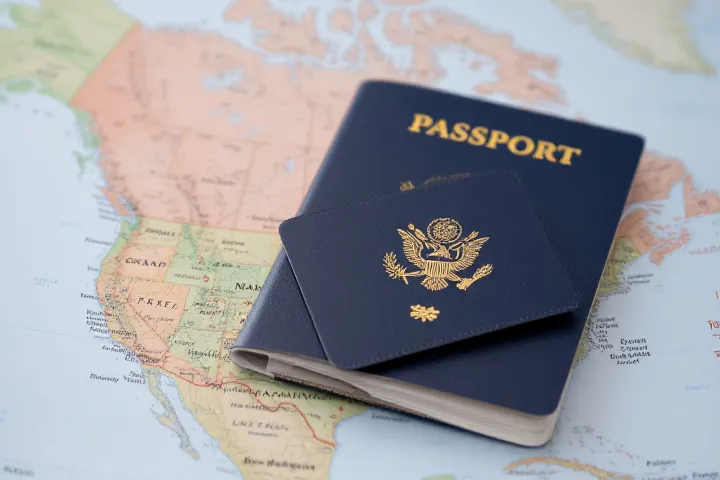
Why a passport to travel to Canada is your best bet
The vast, beautiful expanse of Canada, with its vibrant cities and breathtaking natural wonders, lies just a stone’s throw away for many Americans. For generations, the U.S.-Canada border has symbolized a uniquely peaceful relationship, and for years, crossing it felt almost like a domestic trip. However, in the modern era of heightened global security, the days of entering Canada with just a driver’s license and a friendly wave are long gone. The question of whether you need a passport to travel to Canada is now one of the most critical aspects of your trip planning. The answer is nuanced and depends entirely on your citizenship and, most importantly, your mode of transportation.
This comprehensive guide is designed to eliminate any confusion, providing a clear and detailed breakdown of the current documentation requirements. By understanding the specific rules that apply to your situation, you can ensure a smooth, predictable, and welcoming entry into the Great White North.
The Golden Rule of Canadian Travel: Mode of Transport is Key
Before we dive into the specifics, it’s essential to grasp the single most important principle governing entry requirements: the rules for air travel are fundamentally different from those for arriving by land or sea. This distinction is not arbitrary; it’s rooted in international agreements and security protocols. International air travel operates under a stringent global standard that mandates a passport book as the universal document for identification and citizenship verification. Land and sea borders, particularly between close neighbors like the U.S. and Canada, are governed by bilateral agreements like the Western Hemisphere Travel Initiative (WHTI), which allows for a wider range of secure documents to facilitate the high volume of cross-border traffic for commerce and tourism.
Entry Requirements for U.S. Citizens: A Detailed Breakdown by Travel Mode
For citizens of the United States, your travel plans directly dictate the documents you must carry. Failing to have the correct documentation for your method of entry is the number one reason travelers are delayed or denied entry. Let’s break down the requirements for each scenario to clarify whether you need a passport to travel to Canada.
Traveling by Air: The Passport Book is Non-Negotiable
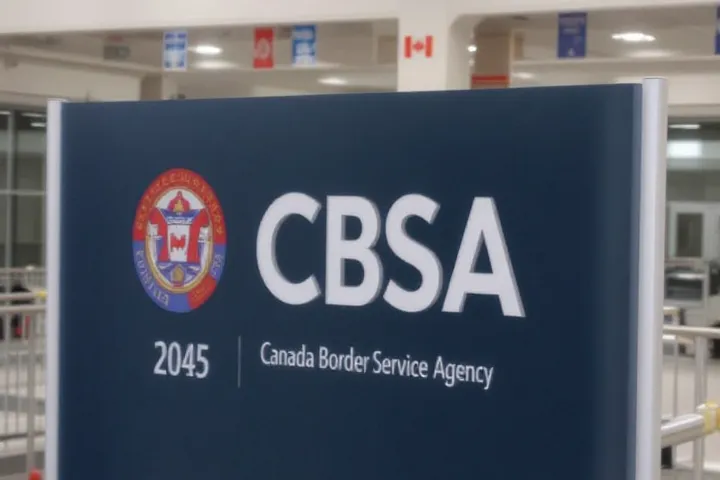
The rule for air travel is absolute and has no exceptions. If you are flying to or from Canada, every U.S. citizen in your party—from infants to senior citizens—must have a valid U.S. passport book. This is the only acceptable form of identification for international air travel. When you check in for your flight, the airline is legally required to verify that you have this document. Upon arrival in Canada, a Canada Border Services Agency (CBSA) officer will again require your passport book to process your entry. A passport card, birth certificate, or driver’s license will not be accepted. The passport book is the globally recognized standard, containing biometric information and security features that meet international aviation security regulations, a fact clearly outlined by the U.S. Department of State.
Traveling by Land or Sea: A Greater Degree of Flexibility
This is where the flexibility of the WHTI comes into play and where most of the confusion arises. When a U.S. citizen enters Canada at a land border crossing (in a personal vehicle, bus, or train) or by sea (on a cruise ship or private vessel), they have more options. While a passport book is still considered the gold standard and is highly recommended, it is not strictly mandatory. U.S. citizens may also present other specific WHTI-compliant documents that prove both identity and citizenship. It is crucial to remember that a standard driver’s license is not on this list; it verifies your identity but does not establish your citizenship, which is a key requirement for international border crossings.
WHTI-Compliant Documents: A Deeper Look at Your Passport Alternatives
For land and sea crossings, several other secure documents can be used in place of a passport book. These have been deemed acceptable by U.S. Customs and Border Protection (CBP) and Canadian authorities for these specific entry methods.
- The U.S. Passport Card: This wallet-sized document is a convenient and less expensive alternative to the full passport book. It contains a vicinity-read radio frequency identification (RFID) chip that border officials can scan. It is an excellent option for those who frequently drive to Canada or Mexico but is strictly prohibited for any international air travel.
- The NEXUS Card: As part of the Trusted Traveler Programs, the NEXUS card is a premier option for pre-approved, low-risk travelers. Obtaining one requires a rigorous background check and an in-person interview. In return, cardholders can use dedicated, expedited NEXUS lanes at land, air, and sea ports of entry, often bypassing long lines. When used at a land crossing, it serves as a valid WHTI-compliant document.
- An Enhanced Driver’s License (EDL): A handful of U.S. states—currently Washington, Michigan, Minnesota, New York, and Vermont—offer these special licenses. An EDL looks like a standard driver’s license but contains an RFID chip that confirms the holder’s U.S. citizenship. It is a valid document for entering Canada by land or sea only.
- A FAST Card: Primarily for commercial truck drivers, the Free and Secure Trade (FAST) card is another Trusted Traveler Program document that is WHTI-compliant for land and sea entry.
Special Considerations for All Travelers
Beyond the basic document rules, several common situations require additional preparation to ensure a problem-free border crossing.
Traveling with Minors: A Crucial Detail
Canadian border officials are highly vigilant about the safety of children. U.S. citizen children under 16 can use their original birth certificate (or a copy) for land and sea travel. However, the most critical piece of documentation is a consent letter if the child is traveling with only one parent, or with grandparents or another guardian. The Canada Border Services Agency (CBSA) strongly advises that this letter be notarized and include the full name, address, and phone number of the non-traveling parent(s), along with a copy of their passport or driver’s license. If one parent has sole custody or is deceased, carrying the relevant court documents or a death certificate is highly recommended to prove your authority to travel with the child.
Non-U.S. Citizens and the eTA Requirement
This is a vital point for many international visitors. Citizens of visa-exempt countries (like most of Europe, Australia, New Zealand, Japan, etc.) must obtain an Electronic Travel Authorization (eTA) *before* boarding a flight to Canada. U.S. citizens are exempt. The eTA is a simple online application, costs a small fee (payable in Canadian dollars), and is electronically linked to your passport. It’s crucial to apply only on the official Government of Canada website, as many third-party sites charge exorbitant fees for the service.
Lawful Permanent Residents of the U.S. (“Green Card” Holders)
If you are a Lawful Permanent Resident of the U.S., you must travel with two key documents: your valid passport from your country of citizenship AND your valid Permanent Resident Card (Green Card). You must present both to the airline and to border officials.

A Practical Example: The Miller Family’s Road Trip
The Miller family from Washington planned a road trip to Banff. Mr. Miller had a Washington State Enhanced Driver’s License (EDL). Mrs. Miller had a U.S. Passport Card. Their 14-year-old son, Jack, had his U.S. birth certificate. They also had a notarized consent letter from Jack’s other parent, who was not on the trip. At the border, the CBSA officer asked Mr. Miller about their destination and length of stay. She scanned their WHTI-compliant documents, reviewed the birth certificate and consent letter for Jack, and waived them through in under five minutes. Their preparation made the process seamless.
Expert Insight: Why a Passport is Always the Best Choice
Angela Vance, a retired U.S. Customs and Border Protection officer with 25 years of experience, strongly advises travelers to opt for a passport book. “A passport book is the universal gold standard for international travel. While cards and EDLs are fine for a planned road trip, emergencies happen. If your car breaks down in a remote area, or you have a medical emergency and need to fly home immediately, you cannot board that plane without a passport book. Having one provides a crucial layer of security and flexibility that no other document can offer.”
Care, Caution, and Recommendations
Before you travel, diligently check the expiration dates on all your documents. Be aware that Canada has extremely strict laws regarding criminal inadmissibility; this is not something to take lightly. It’s also important to be honest with border officers and to know the rules about what you can and cannot bring into the country, such as firearms, certain food products, and large amounts of cash. A final check of official sources like the TSA’s website for identification rules is always prudent.
Alert: A previous conviction for Driving Under the Influence (DUI), even if it was a misdemeanor from decades ago, can make you criminally inadmissible to Canada. This is one of the most common and shocking reasons U.S. citizens are denied entry at the border. Do not assume you will be allowed in. If you have any criminal record, you must contact a Canadian consulate or an immigration lawyer well in advance of your trip to see if you need to apply for a Temporary Resident Permit or Criminal Rehabilitation.

Frequently Asked Questions (FAQ)
Can I use my REAL ID to get into Canada?
No. A REAL ID-compliant driver’s license is a U.S. federal standard for boarding domestic flights and entering federal buildings. It is not a WHTI-compliant document and cannot be used to prove citizenship for entry into Canada.
Do children need a passport to go to Canada?
For air travel, yes, all children including infants need a valid U.S. passport book. For land or sea travel, U.S. citizen children under 16 can use an original or copy of their U.S. birth certificate.
What if I’m a U.S. citizen just driving to Alaska?
Even if you are only transiting through Canada to reach Alaska, you are still officially entering Canada and must meet all entry requirements. For a land crossing, you will need a passport book, passport card, NEXUS card, or an Enhanced Driver’s License.
What happens if I show up at the land border with the wrong documents?
You will be denied entry into Canada by the CBSA and turned back to the United States. U.S. CBP will readmit you as a U.S. citizen, but your trip to Canada will be over before it begins. There is no flexibility on this rule at the border.
Ultimately, your journey to Canada begins long before you reach the border; it starts with proper preparation. While the rules may seem complex, they simplify to a core principle: a valid U.S. passport book is your universal key for any entry method, especially for air travel, and provides the ultimate peace of mind. For planned road trips, WHTI-compliant alternatives offer convenience, but understanding their limitations is crucial. By taking a few moments to verify your documents against the official requirements for your specific trip, you are not just following regulations—you are ensuring your Canadian adventure starts with the welcoming and hassle-free experience you expect.