A Parent’s Guide to Baby Acne: Causes, Treatments, and Peace of Mind
One of the first things you learn as a new parent is that a baby’s skin is incredibly delicate and, often, unpredictable. So, when tiny pimples or red bumps suddenly appear on your newborn’s perfect cheeks, it’s natural to feel a wave of concern. The good news is that baby acne is an extremely common, temporary, and harmless condition that affects many newborns. This guide is here to provide reassurance, explain the causes, and offer safe, simple advice on how to care for your baby’s skin.
What is Baby Acne and Why Does it Happen?
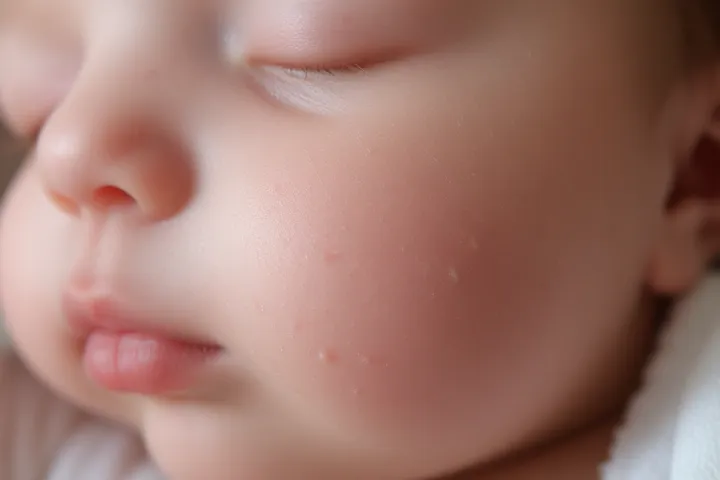
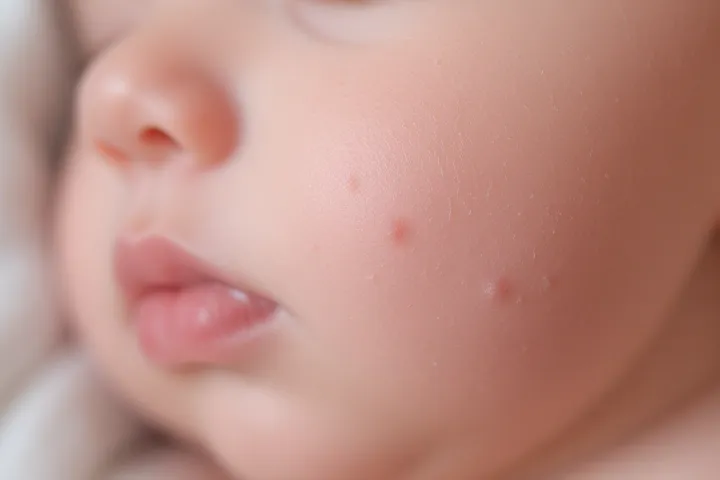
Baby acne, also known as neonatal acne, typically develops within the first two to four weeks after birth. It looks like tiny red or white bumps or pustules and usually appears on the cheeks, nose, and forehead. While the exact cause isn’t definitively known, it is widely believed to be linked to hormones from the mother that are still circulating in the baby’s bloodstream after birth.
The Role of Maternal Hormones
During the final weeks of pregnancy, maternal hormones cross the placenta to the baby. These hormones help the baby’s lungs mature, but they can also stimulate the baby’s immature sebaceous (oil) glands. This can lead to the clogged pores that result in those familiar-looking pimples. It’s important to understand this is a natural process and not a reflection of your baby’s health or your care routine.
Is it Really Acne? Common Skin Bumps in Newborns
A newborn’s skin can play host to a variety of harmless spots and bumps. It’s helpful to distinguish baby acne from other common conditions:
- Milia: These are tiny, pearly-white bumps, often on the nose and chin. They are cysts filled with keratin (a type of protein) and are not red or inflamed like acne. They typically resolve on their own.
- Erythema Toxicum Neonatorum (ETN): This sounds alarming but is a benign newborn rash. It looks like red splotches with small, yellowish-white bumps in the center and can appear and disappear on different parts of the body.
- Eczema: This usually appears as dry, flaky, red patches rather than distinct pimples and often develops a bit later than neonatal acne.

Identifying Baby Acne: What to Look For
True baby acne most closely resembles the acne seen in teenagers, just on a much smaller scale. You’ll typically see small red bumps (papules) and occasionally whiteheads (pustules) concentrated on the face. The skin around the bumps may also look red. The acne can become more pronounced when the baby is fussy, crying, or overheated.
Neonatal Acne vs. Infantile Acne
It’s important to know there are two types of baby acne, distinguished by when they appear:
- Neonatal Acne: This is the very common type that appears within the first month. It is harmless and almost always resolves on its own within a few weeks to months without any treatment and, crucially, without scarring.
- Infantile Acne: This is much less common and appears between 2 and 12 months of age. It can be more severe, including blackheads and even cysts, and may have a higher risk of scarring. As the American Academy of Dermatology (AAD) advises, if your baby develops acne after 6 weeks of age, it’s a good idea to see a pediatric dermatologist.
Safe and Simple At-Home Care for Baby Acne
When it comes to treating baby acne, the best approach is almost always the most gentle one. In nearly all cases of neonatal acne, the condition will clear up on its own once the maternal hormones have left the baby’s system.
The “Less is More” Approach
Resist the urge to “treat” the acne with special creams or washes. Your baby’s skin barrier is still developing and is incredibly sensitive. The best thing you can do is keep the area clean and dry and let time do the healing. Over-cleaning or applying lotions can cause further irritation.
A Gentle Daily Routine
- Cleanse Gently: Once a day, wash your baby’s face with lukewarm water and a soft cloth. If you use a cleanser, ensure it’s a mild, fragrance-free, soap-free baby wash.
- Pat Dry: Never rub your baby’s skin. Gently pat it dry with a clean, soft towel.
- Avoid Lotions and Oils: Do not apply oily lotions or creams to the affected areas, as this can clog pores further.
What Not to Do: Common Mistakes to Avoid
It’s just as important to know what to avoid. Never pick, pop, or scrub the pimples, as this can lead to irritation and potential infection. Above all, do not use any over-the-counter acne products intended for adults.
A Micro-Case: A New Parent’s Gentle Approach
New parents Sarah and Tom were worried when their three-week-old son, Noah, developed red bumps all over his cheeks. After a quick internet search that suggested everything from breast milk to coconut oil, they felt overwhelmed. Instead of experimenting, they called their pediatrician’s advice nurse, who reassured them it was common baby acne. They followed a simple instruction: cleanse his face once daily with only warm water and pat dry. Within three weeks, the acne had cleared completely on its own, reinforcing the lesson that for newborn skin, a gentle, patient approach is often the best medicine.
Expert Insight: A Pediatric Dermatologist’s Reassurance
“I spend a lot of my day reassuring new parents about baby acne,” says Dr. Samuel Green, a board-certified pediatric dermatologist at a leading children’s hospital. “I tell them to think of it as the skin’s last conversation with mom’s hormones. The absolute best practice is patience. The skin’s microbiome is just establishing itself, and gentle care is paramount. Any intervention beyond simple cleansing is almost always unnecessary and can risk irritation. Your baby’s body knows exactly what to do.”
Care, Caution, and Recommendations
Your baby’s skin is not just a smaller version of adult skin; it’s structurally different and far more delicate. It’s thinner, loses moisture more quickly, and is more susceptible to irritation. Therefore, any product you use should be specifically formulated for infants and free of fragrances, dyes, and harsh chemicals. As leading pediatric health organizations like the American Academy of Pediatrics emphasize, when in doubt, the simplest approach is the safest. Always consult your pediatrician before applying anything new to your baby’s skin.
Alert: Never use over-the-counter acne medications, medicated washes, or any adult skincare products on a baby’s skin. Ingredients like benzoyl peroxide, salicylic acid, and retinoids are far too harsh and can cause severe reactions on an infant’s delicate skin.
Ensuring your baby’s skin is comfortable is a top priority. To learn more about common skin sensitivities, explore our guide to choosing the best baby laundry detergent.
Frequently Asked Questions About Baby Acne
Is it okay to put breast milk on baby acne?
This is a popular home remedy. While breast milk has antimicrobial properties, there is no strong scientific evidence to support its effectiveness for baby acne. It’s unlikely to be harmful, but the recommended approach of gentle cleansing with water is sufficient and less messy.
What’s the difference between baby acne and milia?
Baby acne looks like small red pimples or whiteheads and is caused by hormonal stimulation of oil glands. Milia are tiny, non-inflamed white bumps caused by trapped skin flakes (keratin) and look more like little seeds under the skin.
Can the lotions I use on my baby cause acne?
Yes, thick, oily lotions and creams can clog a baby’s pores and potentially worsen baby acne or cause other types of bumps. If your baby has acne, it’s best to avoid applying any moisturizers to the affected areas on the face.
How long does baby acne typically last?
Neonatal acne, the most common type, typically lasts for a few weeks to a few months. It almost always resolves completely on its own as the maternal hormones leave the baby’s system.
When should I call a doctor about my baby’s skin?
You should contact your pediatrician or a pediatric dermatologist if the acne appears after 6 weeks of age, if it seems severe (with blackheads, cysts, or significant inflammation), if it appears on the body, or if it’s accompanied by other symptoms of illness. As trusted sources like the Mayo Clinic and Seattle Children’s Hospital advise, professional evaluation is important for infantile acne.
Seeing blemishes on your newborn can be startling, but rest assured that baby acne is a normal and temporary part of the journey. By practicing gentle care, avoiding harsh products, and having a good dose of patience, you are taking the best possible care of your baby’s delicate skin. Before you know it, this fleeting phase will pass, leaving behind the smooth, soft complexion you’ve been waiting for.