
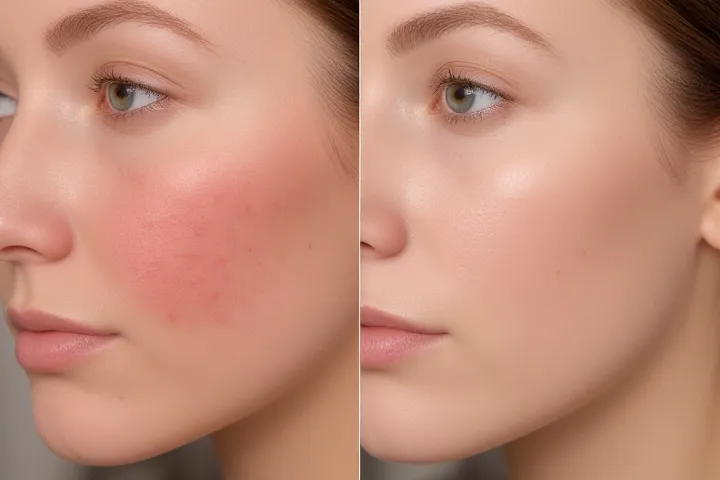
The real benefits of vitamin B for acne and redness
In the world of skincare, vitamins are often hailed as miracle workers, and the B-complex family is no exception. With claims of calming redness, reducing breakouts, and improving overall skin health, it’s easy to see the appeal. However, the true potential of Vitamin B for acne and rosacea isn’t a simple, one-size-fits-all solution. The key lies in understanding which specific B vitamins are effective, how they work, and whether they should be applied topically or taken as a supplement.
Not All B Vitamins Are Created Equal: An Overview for Skin Health
When we talk about “Vitamin B,” we’re referring to a group of eight different essential nutrients, collectively known as the B-complex. Each one plays a unique role in the body, from energy metabolism to nerve function. For skin health, a few members of this family have garnered significant attention, but their effects and the evidence supporting them vary dramatically.
The B-Complex Family
The eight B vitamins include B1 (Thiamine), B2 (Riboflavin), B3 (Niacin), B5 (Pantothenic Acid), B6 (Pyridoxine), B7 (Biotin), B9 (Folate), and B12 (Cobalamin). While they all contribute to the body’s overall health, which in turn supports the skin, only a few have been studied for direct application in treating conditions like acne and rosacea. Specificity is crucial; you cannot expect the same results from B12 as you would from B3.

The Superstar: Niacinamide (Vitamin B3) for Acne and Rosacea
When discussing Vitamin B for acne and rosacea, one ingredient stands out with a wealth of scientific support: Niacinamide. This is a specific form of Vitamin B3 that has become a powerhouse in dermatology, primarily for its impressive benefits when applied topically.
How Topical Niacinamide Works
Niacinamide is a versatile, water-soluble vitamin that works with the natural substances in your skin to address multiple concerns. Its primary functions include:
- Strengthening the Skin Barrier: It helps your skin produce more ceramides, which are lipids that retain moisture and protect the skin from environmental damage.
- Reducing Inflammation: It has potent anti-inflammatory properties, which is a key mechanism for calming both acne and rosacea.
- Regulating Sebum Production: It can help normalize the amount of oil your pores produce, preventing them from getting clogged.
- Improving Skin Tone: It can reduce the appearance of post-inflammatory hyperpigmentation (the dark spots left after a pimple heals).
Benefits for Acne-Prone Skin
For acne, niacinamide’s ability to reduce inflammation and regulate oil is a powerful combination. As detailed in numerous studies, including research available through the National Library of Medicine, topical niacinamide has been shown to be as effective as some topical antibiotics in reducing acne lesions, but without the risk of antibiotic resistance.
Soothing Redness and Strengthening the Barrier in Rosacea
Rosacea is a chronic inflammatory condition characterized by persistent redness, flushing, and sometimes bumps. A compromised skin barrier is a hallmark of rosacea. By helping to repair this barrier and reduce inflammation, niacinamide can significantly decrease the redness and sensitivity associated with the condition, a benefit noted by organizations like the American Academy of Dermatology (AAD).
The Contenders and the Controversies
Beyond the well-established benefits of niacinamide, other B vitamins are often mentioned in relation to skin health, but their roles are less clear and, in some cases, controversial.
Pantothenic Acid (Vitamin B5): The Evidence
Pantothenic acid, or Vitamin B5, has been studied as a potential oral supplement for acne. The theory is that it may help reduce sebum production. However, the studies are limited, and they often use very high doses that should only be taken under medical supervision. The Linus Pauling Institute at Oregon State University provides a comprehensive overview of Vitamin B5, noting that while it is essential, evidence for high-dose supplementation for acne is not yet robust.
The Vitamin B12 and Biotin (B7) Link to Breakouts
Here’s where the story gets complicated. While deficiencies are rare, some individuals find that taking high-dose supplements of Vitamin B12 or Biotin (often found in hair, skin, and nail formulas) can actually trigger or worsen acne. The exact mechanism isn’t fully understood, but it’s believed these vitamins can alter the metabolic activity of skin bacteria, leading to more inflammation.
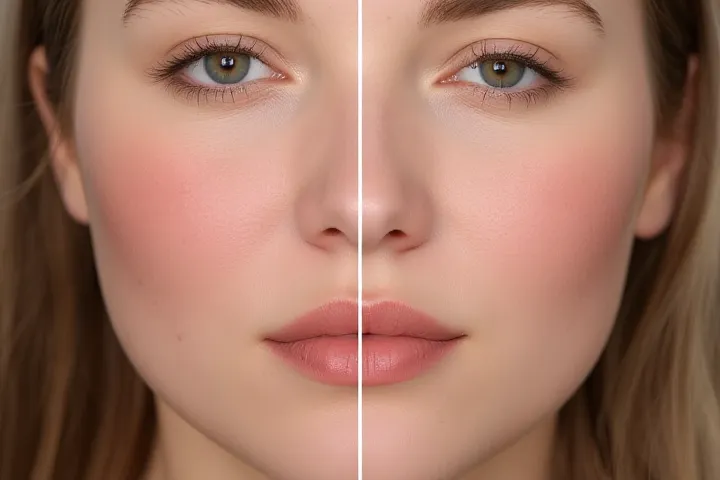
A Practical Approach: Incorporating B Vitamins Into Your Routine
For most people looking to leverage Vitamin B for acne or rosacea, the safest and most effective approach is to incorporate a topical niacinamide serum into their daily skincare routine. Look for formulas with a concentration between 5% and 10%.
A Micro-Case: Alex’s Success with Niacinamide
Alex, who is 31, struggled with both an oily T-zone that was prone to breakouts and persistent redness on his cheeks consistent with mild rosacea. After trying various products, he simplified his routine and introduced a 10% niacinamide serum. His only initial investment was the serum itself, which cost around $20 (all prices mentioned are illustrative and in US dollars). Within eight weeks of consistent nightly use, he noticed his skin was less oily, the redness on his cheeks had visibly calmed, and his breakouts were less frequent. The niacinamide provided a single, effective solution for his dual concerns.
Expert Insight: A Dermatologist on Vitamins and Skincare
“When my patients ask about Vitamin B for acne, I immediately clarify which B vitamin they mean,” says Dr. Olivia Grant, a board-certified dermatologist and registered dietitian (RD). “Topical niacinamide (B3) is a hero ingredient I recommend daily for its anti-inflammatory and barrier-strengthening benefits. On the other hand, I caution against high-dose biotin and B12 supplements, as I have seen them trigger acne flare-ups in practice. The key takeaway is that vitamins are not interchangeable, and ‘more’ is not always better.”
Care, Caution, and Recommendations
When introducing a new niacinamide product, start by applying it every other day to ensure your skin tolerates it well. While it’s generally very gentle, some people may experience mild flushing with higher concentrations. As with any supplement, you should never take high doses of B vitamins without consulting a healthcare professional, as they can have unintended side effects. For reliable information on vitamin supplementation, refer to trusted sources like the NIH Office of Dietary Supplements.
Alert: Be cautious with “hair, skin, and nails” supplements. Many contain high doses of Biotin (Vitamin B7) and sometimes Vitamin B12, which have been linked to an increased risk of acne breakouts in susceptible individuals. If you start a new supplement and notice your skin getting worse, check the label for these ingredients.
Niacinamide is a powerful ingredient, but its effectiveness can be enhanced by the right moisturizer. Explore our guide on choosing a moisturizer for acne-prone skin to complete your routine.
Frequently Asked Questions About Vitamin B for Skin
Which B vitamin is the best for acne?
For topical application, Niacinamide (Vitamin B3) is by far the most scientifically supported B vitamin for treating acne due to its anti-inflammatory and sebum-regulating properties.
Can taking a B-complex vitamin clear my skin?
It’s unlikely to be a miracle cure. While a B-complex ensures you aren’t deficient, which supports overall health, it also contains B12 and Biotin, which can worsen acne in some people at high doses. A targeted approach is often better.
I heard Vitamin B12 can cause acne. Is that true?
Yes, in some individuals, high doses of supplemental Vitamin B12 can trigger or exacerbate acne. It’s thought to interfere with the metabolism of skin bacteria, leading to inflammation. This is a well-documented phenomenon.
What’s the difference between using niacinamide topically and taking it as a supplement?
Topical application delivers the ingredient directly to the skin cells where it can act on inflammation, oil production, and the skin barrier. Oral niacin (another form of B3) is important for overall health, but topical niacinamide provides more direct and targeted benefits for skincare concerns like acne and rosacea.
Can Vitamin B help with the redness from rosacea?
Specifically, topical Niacinamide (B3) is excellent for rosacea. Its ability to strengthen the skin’s protective barrier and its anti-inflammatory effects can significantly reduce the persistent redness and sensitivity associated with the condition.
The potential of Vitamin B for acne and rosacea is both promising and nuanced. By focusing on the proven star—topical niacinamide—and being cautious with high-dose supplements, you can effectively and safely incorporate the power of this vitamin family into your skincare routine. A targeted, evidence-based approach is always the best strategy for achieving your skin health goals. For further reading, government health resources like MedlinePlus offer reliable information on vitamins and their role in the body.