
An acne solution based on science not hype
In the search for clear skin, it’s easy to get lost in a sea of conflicting advice, miracle cures, and aggressive marketing. Finding the right acne solution can feel like an impossible task, often leading to a cabinet full of half-used products and continued frustration. The truth is, there is no single magic bullet for everyone. An effective approach is a personalized one, built on a solid understanding of your skin and a willingness to debunk the myths that hold so many people back.
Debunking Common Acne Myths Once and For All
Before you can find a real acne solution, you must first clear away the misinformation. Years of skincare folklore have created persistent myths that can actively harm your skin and prevent you from seeing results. Let’s set the record straight on a few of the most common ones.
Myth: You Can Scrub Acne Away
The feeling of a gritty facial scrub can be satisfying, but it’s one of the worst things you can do for inflammatory acne. Acne is not a disease of dirtiness. Aggressive scrubbing irritates the skin, compromises its protective barrier, and can spread bacteria, leading to more redness and breakouts. The American Academy of Dermatology (AAD) explicitly advises against harsh scrubbing and recommends gentle cleansing instead.
Myth: Greasy Foods and Chocolate Cause Acne
This is one of the most persistent myths. While a balanced, healthy diet is crucial for overall health, the direct link between specific foods like chocolate or pizza and acne is weak for most people. Some recent research, highlighted by institutions like the National Institutes of Health (NIH), suggests a potential link between high-glycemic-index foods (like sugary snacks and white bread) and dairy with acne in some individuals, but it is not a universal trigger.
Myth: You Just Need to Dry Out Your Pimples
The impulse to apply the harshest, most drying spot treatment you can find is understandable, but it’s counterproductive. Over-drying the skin with high-concentration alcohol or other harsh astringents sends a signal to your oil glands to produce even more oil to compensate. A healthy, hydrated skin barrier is essential for healing, and stripping it of all moisture will only lead to irritation and a prolonged breakout cycle.

The First Step: Assessing Your Unique Skin Profile
A truly effective acne solution is not one-size-fits-all. It begins with a bit of detective work to understand your unique skin. The treatment for deep, painful cysts is very different from the one for a smattering of blackheads.
Identifying Your Acne Type (Comedonal vs. Inflammatory)
First, identify the kind of blemishes you have most often:
- Non-inflammatory (Comedonal) Acne: This includes blackheads and whiteheads. These are essentially clogged pores without a significant immune response.
- Inflammatory Acne: This is when bacteria get involved, triggering the immune system. It includes papules (small, red bumps), pustules (pus-filled pimples), nodules, and cysts (deep, painful lumps under the skin).
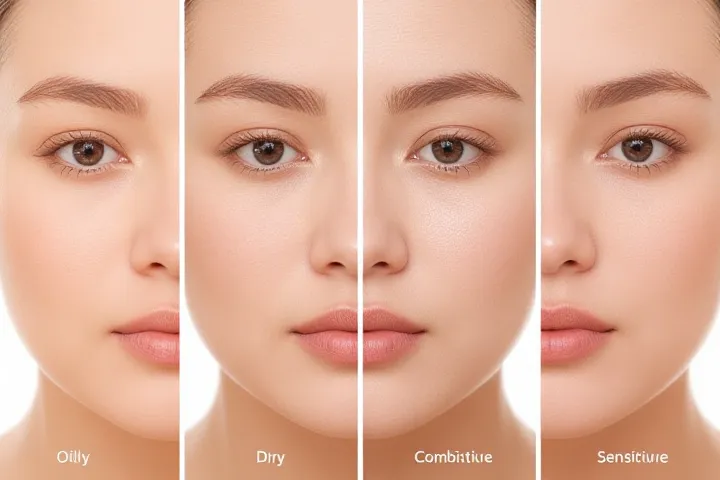
Understanding Your Skin Type (Oily, Dry, Combination, Sensitive)
Next, determine your skin type, as this will dictate the formulation of the products you choose. An alcohol-based gel that works for very oily skin could be disastrous for someone with dry, sensitive skin. Are you oily all over, dry and flaky, or a combination of both? Does your skin easily get red and irritated?
Building Your Foundational Acne Solution: Key OTC Ingredients
Once you know your acne and skin type, you can strategically choose over-the-counter (OTC) products with proven active ingredients. The U.S. Food and Drug Administration (FDA) regulates these ingredients for safety and efficacy.
For Clogged Pores: Salicylic Acid
If your primary issue is blackheads and whiteheads, salicylic acid is your best friend. As a beta-hydroxy acid (BHA), it’s oil-soluble, meaning it can penetrate deep into pores to dissolve the gunk that causes clogs. It’s an excellent exfoliant for keeping pores clear.
For Inflamed Pimples: Benzoyl Peroxide
For red, angry papules and pustules, benzoyl peroxide is a go-to. It works by killing the C. acnes bacteria that contribute to inflammation. It comes in various strengths (2.5% to 10%), and it’s always best to start with a lower concentration to avoid unnecessary dryness.
For Prevention and Texture: Adapalene (Retinoid)
Adapalene is a type of retinoid that is available over the counter. It works by regulating skin cell turnover, which prevents the initial clog from forming in the first place. It is a powerful preventative tool and also helps improve skin texture and post-acne marks over time.

A Holistic Acne Solution: The Role of Lifestyle
The right products are crucial, but a truly comprehensive acne solution also considers lifestyle factors like stress management, sleep, and a balanced diet. High stress levels can increase cortisol, driving oil production and inflammation. A holistic approach addresses both the external symptoms and the internal triggers.
A Micro-Case: Chloe’s Integrated Approach
Chloe, a 28-year-old, was dealing with persistent inflammatory acne on her chin. She had tried numerous spot treatments with little success. After assessing her skin, she built a routine with a gentle cleanser and a nightly 0.1% adapalene gel. Her initial investment was around $50 (all prices mentioned are illustrative and in US dollars). Crucially, she also recognized her breakouts worsened with work stress, so she started a 10-minute daily mindfulness practice. The combination of a targeted topical and stress reduction was the integrated acne solution that finally cleared her skin over three months.
Expert Insight: A Dermatologist on Personalized Treatment
“Patients often come to me looking for the ‘best’ product, but the ‘best’ acne solution is the one that’s right for the individual’s skin profile,” says Dr. Julian Carter, a board-certified dermatologist and author of ‘The Skin Profile Method.’ “I guide my patients through an assessment of their acne type, skin sensitivity, and lifestyle. A successful plan for a teenager with oily, resilient skin will look very different from a plan for a 40-year-old with dry, sensitive skin and hormonal acne. Personalization is not a luxury; it’s a necessity for effective treatment.”
Care, Caution, and Recommendations
When starting any new acne routine, patience is paramount. It takes time for skin cells to turn over and for treatments to work. Expect to use a product consistently for at least 8-12 weeks before evaluating its effectiveness. Always introduce only one new active product at a time so you can monitor for irritation. And as medical authorities like the Mayo Clinic emphasize, daily sunscreen use is non-negotiable, as many acne-fighting ingredients increase sun sensitivity.
Alert: Avoid “product hopping.” Frantically switching between different products or routines every week is a common mistake. This not only prevents any single product from having enough time to work but can also lead to significant irritation, a damaged skin barrier, and even more breakouts.
Building your routine is the first step. To perfect it, explore our detailed guide on how to correctly layer your skincare products for maximum effectiveness.
Frequently Asked Questions About Finding an Acne Solution
How do I know which acne ingredients are right for me?
Start by identifying your main acne type. If you have mostly blackheads, start with salicylic acid. If you have more red, inflamed pimples, benzoyl peroxide is a great choice. For overall prevention and texture, a retinoid like adapalene is ideal.
Is there one “best” acne solution that works for everyone?
No. This is one of the biggest myths in skincare. The best acne solution is highly individual and depends on your acne type, skin type, age, and lifestyle factors. What works wonders for one person may not work for another.
How long should I try a new acne solution before giving up?
Give any new routine at least 8-12 weeks of consistent use. Skin needs time to adapt and respond to treatment. Quitting too early is a primary reason why people feel like “nothing works” for their skin.
Are natural or DIY acne solutions effective and safe?
While some natural ingredients have beneficial properties, many DIY remedies found online (like lemon juice or baking soda) can be highly irritating and disrupt your skin’s pH balance, making acne worse. It is generally safer to use professionally formulated products with proven OTC ingredients.
Can my diet be part of my acne solution?
For some individuals, yes. While not a standalone cure, focusing on a balanced, low-glycemic diet rich in antioxidants and whole foods can help reduce systemic inflammation and support overall skin health. It can be a powerful complementary part of your overall acne solution.
Finding your perfect acne solution is a journey of understanding, patience, and consistency. By busting harmful myths, accurately assessing your skin’s unique needs, and strategically choosing proven ingredients, you can move away from the cycle of frustration and build an effective, sustainable routine for clear, healthy skin. For more trusted medical information on skincare, visit authoritative sources like MedlinePlus.