
A smarter way to think about acne treatment
Navigating the world of acne treatment can be an overwhelming and often dispiriting experience. With endless products promising overnight miracles and conflicting advice at every turn, it’s easy to feel like you’re just guessing. But what if you could move beyond simply trying products and start understanding principles? True success in managing acne comes from a deeper knowledge of the core truths of skin health. These acne treatment essentials are not a list of products, but a collection of seven foundational insights that will empower you to build a smarter, more effective, and resilient skincare strategy.
Moving Beyond Products to Principles
A successful acne journey is built on a foundation of wisdom, not just a cabinet full of products. Anyone can follow a list of steps, but understanding the “why” behind those steps is what creates lasting results. These insights are the strategic principles that dermatologists use to guide their patients. Internalizing them will transform you from a passive consumer of products into an active, informed manager of your own skin health, giving you the confidence to make better decisions for years to come.

The 7 Essential Insights for Your Acne Treatment Journey
Embracing these seven core principles will provide you with a powerful framework for every decision you make regarding your skin. These are the fundamental acne treatment essentials that separate frustration from success.
Insight #1: Consistency Trumps Intensity
This is the golden rule of dermatology. It’s far more effective to use a gentle, appropriate product every single day than it is to aggressively attack your skin with a harsh, intensive treatment once a week. Your skin thrives on routine and predictability. An intense, sporadic approach often leads to a cycle of irritation, a damaged skin barrier, and ultimately, more breakouts. A consistent, gentle routine allows your skin to adapt, heal, and respond positively to active ingredients over time.
Insight #2: It’s a Marathon, Not a Sprint
In our world of instant gratification, this is perhaps the hardest principle to accept. Acne treatments do not work overnight. The average skin cell turnover cycle is about 28 days, and it takes at least two to three full cycles for the benefits of a new routine to become truly apparent. As the American Academy of Dermatology consistently advises, giving a new treatment regimen at least 2-3 months of consistent use is critical before judging its efficacy. Chasing a “quick fix” is the fastest path to a drawer full of half-used, ineffective products.
Insight #3: Your Skin Barrier Is Your Greatest Ally
Your skin barrier (the outermost layer, also known as the stratum corneum) is the gatekeeper of your skin’s health. It’s responsible for keeping moisture in and irritants and bacteria out. A healthy, intact barrier is resilient and calm. Many aggressive acne treatments can inadvertently compromise this barrier, leading to redness, peeling, and sensitivity. A damaged barrier cannot heal effectively and is more susceptible to breakouts. Supporting your barrier with gentle cleansing and proper moisturization is not an optional step; it is a core component of treatment, a concept well-supported by research into acne pathogenesis published by the National Library of Medicine.
Insight #4: The “Inside-Out” Connection Is Real
What happens inside your body is directly reflected on your skin. Factors like diet, stress, and sleep are not just minor influences; they are powerful modulators of inflammation and hormones—the primary drivers of acne. As major health institutions like the Mayo Clinic have noted, factors like stress and a high-glycemic diet can exacerbate acne. Ignoring these internal factors while expecting topical products to do all the work is like trying to mop up a flooded floor without turning off the overflowing faucet.
Insight #5: More Is Not Always Better
When you’re desperate for results, it’s tempting to throw everything at the problem. This “kitchen sink” approach—using a harsh scrub, an acid toner, a benzoyl peroxide treatment, and a retinoid all at once—is a recipe for disaster. It will overwhelm your skin, decimate your skin barrier, and cause massive irritation that can trigger even more acne. A simple, curated routine with one or two well-chosen active ingredients is almost always more effective than a complex, aggressive one.
Insight #6: Prevention Is the Ultimate Goal
The most effective way to treat a pimple is to stop it from ever forming. A successful long-term acne routine is fundamentally preventative. By using ingredients like retinoids or salicylic acid over your entire acne-prone area (not just on existing spots), you are treating the invisible microcomedones under the surface and normalizing skin function to prevent future clogs. Spot-treating is a reactive, short-term tactic; a full-face preventative routine is a proactive, long-term strategy.
Insight #7: Professional Guidance Is an Investment, Not a Last Resort
Many people view seeing a dermatologist as the final step after they’ve tried everything else. This can lead to years of frustration, wasted money, and unnecessary scarring. Consulting a board-certified dermatologist early on is a strategic investment. They can provide an accurate diagnosis, cut through the marketing hype to recommend proven ingredients, and offer prescription-strength options that are far more powerful than anything available over the counter.
Alert: Be wary of any product or treatment that promises a “cure” or “overnight miracle.” Effective acne management is a process of control, not a one-time cure. Products that make such claims often rely on harsh, irritating ingredients that can cause long-term damage.

An Expert’s Take on the Patient’s Role in Success
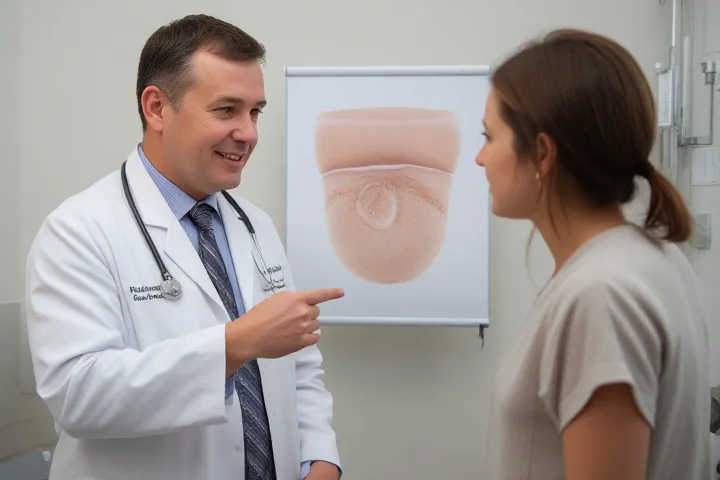
Dr. Evelyn Reed, a board-certified dermatologist known for her focus on patient education, emphasizes the collaborative nature of treatment. “The most successful outcomes I see are with patients who embrace their role as an active partner in their own care,” Dr. Reed says. “My job is to provide the correct diagnosis and the strategic blueprint. The patient’s job is to execute that plan with unwavering consistency and provide feedback. Understanding these seven acne treatment essentials gives my patients the framework they need to stay motivated, avoid common pitfalls, and truly understand the marathon we’re running together.”
Micro-Case Study: Alex’s Shift in Strategy
Alex, 22, was a classic “product hopper.” He’d buy a new, buzzed-about acne system, use it aggressively for two weeks, and then quit in frustration when he didn’t see immediate results, having spent hundreds of dollars (USD) on failed attempts. After a consultation, he adopted a new mindset based on these core principles. He committed to a simple, three-step routine prescribed by his dermatologist and promised to stick with it for three months no matter what. By embracing consistency over intensity and patience over panic, he finally achieved the clear, stable skin he had been seeking.
Care, Caution, and Recommendations
The journey with acne can have a significant psychological impact. It’s important to be kind to yourself and not let your skin define your self-worth. Obsessively checking the mirror or allowing acne to prevent you from living your life can be signs that the condition is affecting your mental health. Resources like the AAD’s page on the emotional effects of acne can be helpful, and seeking support from a therapist can be just as important as seeing a dermatologist. Your journey is about holistic health, so remember to care for your mind as well as your skin.

Frequently Asked Questions on Acne Treatment Principles
What is the most important thing to understand before starting any acne treatment?
The most critical insight is that consistency and patience are more important than the specific product you choose. You must be prepared to stick with a gentle, appropriate routine for at least 8-12 weeks to see true, stable results.
Why isn’t my treatment working if I’m using the right products?
This is often due to a violation of one of the key insights. You may be using them inconsistently (Insight #1), not giving them enough time (Insight #2), using too many other harsh products (Insight #5), or ignoring lifestyle factors (Insight #4).
How does a dermatologist’s approach differ from what I can do at home?
A dermatologist provides an expert diagnosis to ensure you’re treating the right condition, has access to more potent and effective prescription medications (like tretinoin or oral medications), and can create a long-term, strategic plan based on these core principles.
What does a “holistic” approach to acne really mean?
A holistic approach recognizes the “inside-out” connection (Insight #4). It means addressing not only your topical skincare routine but also your diet, stress levels, sleep patterns, and overall well-being as interconnected parts of your skin health.
Embracing these seven acne treatment essentials is about fundamentally shifting your perspective. It’s about moving from a state of anxious reaction to one of calm, confident, and proactive management. By building your routine on these foundational truths, you are not just applying creams and serums; you are implementing a powerful, long-term strategy. This knowledge is your blueprint for navigating your journey with resilience and finally achieving the healthy, clear skin you deserve.