
T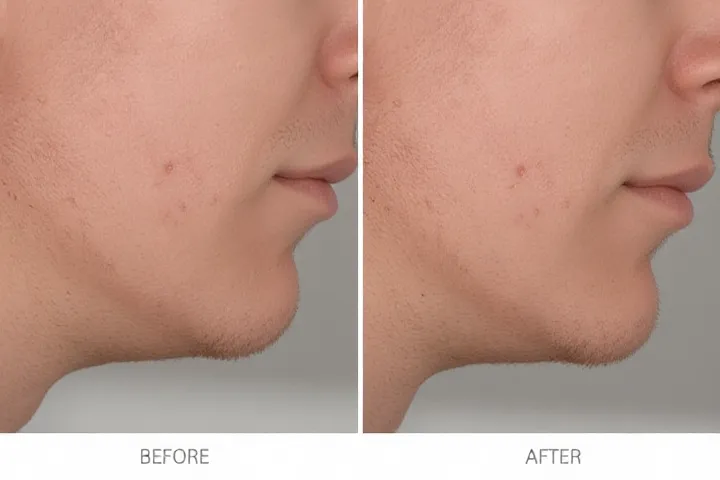 he science behind a successful adult acne treatment
Breakouts are supposed to be a thing of the past, a chapter closed along with high school yearbooks. Yet, for a growing number of adults, acne persists or appears for the first time well into their 20s, 30s, and beyond. This experience can feel isolating, as if you’re dealing with an issue no one else understands. A truly effective adult acne treatment goes beyond just skin-deep solutions; it involves understanding the unique triggers behind adult breakouts and adopting a compassionate, consistent approach to care.
The Unspoken Challenge: Why Adult Acne Feels Different
If you’re struggling with adult acne, you know the frustration is real. It’s not just about the physical blemishes; it’s the emotional weight they carry. Dealing with pimples while navigating boardrooms, parent-teacher conferences, and social events can erode self-confidence in a way that teenage acne often doesn’t.
Beyond the Breakouts: The Psychological Impact
The feeling of being the “only one” with acne in your professional or social circle is a heavy burden. Research has consistently shown a link between acne and feelings of anxiety, depression, and social withdrawal. Acknowledging this emotional component is a crucial first step. You are not just being “vain”; the desire to present your best self to the world is a valid and human experience. The journey to clearer skin is as much about restoring confidence as it is about calming inflammation.
Understanding the Root Causes in Adulthood
Adult acne is typically caused by one or more of four main factors:
- Hormonal Fluctuations: This is the leading cause, especially for women. Menstrual cycles, pregnancy, perimenopause, and discontinuing hormonal birth control can all trigger breakouts, typically along the jawline, chin, and neck.
- Stress: When you’re under chronic stress, your body releases cortisol and androgens, hormones that ramp up oil production and inflammation. As the American Academy of Dermatology (AAD) notes, this can lead to stubborn, inflammatory acne.
- Genetics: If your parents or siblings had adult acne, you have a greater genetic predisposition to it.
- Lifestyle and Environment: Factors like diet, pore-clogging (comedogenic) cosmetics, pollution, and even friction from cell phones can contribute to breakouts.

A Modern Approach to Adult Acne Treatment
The aggressive, drying products often marketed to teens are the enemy of adult skin. A modern, effective adult acne treatment is built on a foundation of gentle care that supports the skin barrier while targeting blemishes.
The New Rules: Gentleness, Hydration, and Patience
Adult skin tends to be drier and more sensitive and has a slower cell turnover rate. This means it’s more easily irritated and takes longer to heal. Your strategy should be to calm inflammation, not attack it. This involves using a pH-balanced, non-stripping cleanser, never skipping moisturizer, and understanding that visible results can take at least 8-12 weeks.
Star Ingredients for Mature, Blemish-Prone Skin
Seek out multi-tasking ingredients that address both acne and other adult skin concerns, like tone, texture, and fine lines.
- Retinoids: The gold standard for both acne and anti-aging. They accelerate cell turnover to prevent clogged pores while also boosting collagen.
- Azelaic Acid: A gentler acid that reduces inflammation, kills acne bacteria, and is particularly effective at fading the stubborn dark spots (post-inflammatory hyperpigmentation) left behind.
- Niacinamide: A form of vitamin B3 that helps regulate oil production, calm redness, and strengthen the skin’s protective barrier. It’s an excellent supporting ingredient in any adult acne routine.
Creating Your Daily Ritual for Clearer Skin
Think of your skincare not as a chore, but as a daily ritual of self-care. A simple, consistent routine is far more effective than an arsenal of products used sporadically.
A Step-by-Step AM/PM Routine
- Morning: Cleanse with a gentle, hydrating wash. Apply an antioxidant serum (like Vitamin C or Niacinamide). Follow with a non-comedogenic moisturizer and, most importantly, a broad-spectrum sunscreen with SPF 30+.
- Evening: Double cleanse if you wear makeup or heavy sunscreen. On dry skin, apply your treatment serum (like a retinoid or azelaic acid). Wait a few minutes for it to absorb before finishing with a nourishing moisturizer.
Micro-Case: David’s Journey with Stress-Induced Acne
David, a 38-year-old lawyer, noticed painful pimples forming on his cheeks during a particularly stressful period at work. Believing his skin was just “oily,” he used a harsh scrub that left it red and irritated. He switched to a simple routine: a gentle cleanser and a nightly niacinamide serum, plus a commitment to sunscreen. This initial switch cost around $75 (all prices mentioned are illustrative and in US dollars). After six weeks, the redness subsided, and the breakouts became less frequent as his skin barrier healed. His experience shows how supporting the skin is a key part of adult acne treatment.

Professional Help: When to See a Dermatologist
If over-the-counter options aren’t delivering results after three months, or if your acne is cystic, painful, or causing scarring, it’s time for professional intervention. A board-certified dermatologist can offer a more potent and personalized adult acne treatment plan.
Advanced Prescription Options
Based on your specific needs, a dermatologist might prescribe powerful treatments like prescription-strength retinoids (Tretinoin), topical antibiotics, or oral medications. For women with hormonal acne, drugs like Spironolactone or specific oral contraceptives can be game-changers. The Cleveland Clinic provides excellent information on these hormonal approaches.
Procedures That Target Acne and Texture
In-office treatments like chemical peels, microneedling, or light therapy can accelerate results, reduce scarring, and improve overall skin texture, complementing your at-home routine.
Expert Insight: A Dermatologist on Coping and Clearing
“I spend a significant portion of my consultations discussing the emotional toll of adult acne,” shares Dr. Anita Sharma, a board-certified dermatologist with a special interest in psychodermatology. “I tell my patients that their feelings are valid. The goal is a two-pronged approach: a gentle, effective skincare routine to manage the physical symptoms, and stress-management strategies to address one of the root causes. Reducing cortisol through mindfulness, exercise, or therapy can have a profoundly positive impact on your skin.”
Care, Caution, and Recommendations
Treating adult skin requires a delicate balance. When introducing any active ingredient, particularly a retinoid, start slowly. Use it only two or three nights a week at first, and consider the “moisture sandwich” technique: apply moisturizer, then the retinoid, then more moisturizer to buffer potential irritation. As the National Institutes of Health (NIH) research highlights, a damaged skin barrier can worsen acne, so protecting it is paramount. Always perform a patch test before trying a new product.
Alert: Be cautious of layering too many active ingredients at once (e.g., five different acids in one routine). This can lead to over-exfoliation, irritation, and a compromised skin barrier, which will ultimately make your acne worse, not better.
Managing your skin is one part of the equation; exploring our guide on stress-management techniques can support your overall well-being and skin health.

Frequently Asked Questions About Adult Acne Treatment
Is adult acne different from the acne I had as a teen?
Yes. Adult acne is often more inflammatory (deeper, more painful bumps) and concentrated on the lower face. It also occurs on skin that is typically drier and more sensitive than teenage skin, requiring a gentler treatment approach.
What lifestyle changes can help with adult acne?
Prioritizing stress management is key. Getting adequate sleep, maintaining a balanced diet, and regular exercise can help regulate hormones and reduce inflammation. Also, be mindful of cleaning items that touch your face, like your phone and pillowcases.
Can anti-aging products make my acne worse?
Some heavy, rich anti-aging creams can be comedogenic. However, many anti-aging ingredients, especially retinoids, are excellent for treating acne. Opt for serums and lotions labeled “non-comedogenic” or “oil-free.”
How long does it really take for adult acne treatments to work?
Patience is non-negotiable. It typically takes at least 8-12 weeks of consistent use to see significant improvement from an adult acne treatment plan. You may even experience some initial purging or worsening before things get better.
When is it essential to see a doctor for adult acne?
You should see a board-certified dermatologist if your acne is deep, painful, and cystic, if it’s leaving scars, or if consistent over-the-counter treatment has yielded no results after 3 months. Early intervention is the best way to prevent permanent scarring, a point emphasized by medical authorities like the Mayo Clinic.
Embarking on an effective adult acne treatment is a journey of patience and self-compassion. By understanding the unique triggers, choosing gentle, appropriate ingredients, and acknowledging the emotional side of the condition, you can achieve not only clearer skin but also a renewed sense of confidence. For more trusted health information, resources like MedlinePlus from the U.S. National Library of Medicine are invaluable.