A practical and simple teen acne treatment guide
Dealing with acne is a rite of passage for many, but that doesn’t make it any easier. For teenagers, navigating the challenges of breakouts can impact everything from self-confidence to social life. A successful teen acne treatment plan isn’t about finding a miracle cure; it’s about understanding the unique changes happening in a teen’s skin and developing a consistent, gentle, and effective routine. This guide provides clear, expert-backed advice for both teens and their parents to manage acne and build healthy skincare habits for life.
Why is Acne So Common in Teenagers?
If it feels like almost every teenager gets pimples, it’s because they do. Acne is the most common skin condition in the United States. During the teenage years, the skin undergoes significant changes that make it particularly susceptible to breakouts, making a targeted teen acne treatment essential.
The Role of Hormones and Genetics
The primary driver of teenage acne is puberty. During this time, the body produces more androgens, a group of hormones that includes testosterone. Androgens cause the skin’s oil glands (sebaceous glands) to enlarge and produce more sebum, or oil. This excess oil, combined with a natural increase in shedding skin cells, can easily clog pores. As the National Institute of Arthritis and Musculoskeletal and Skin Diseases explains, this environment allows bacteria to grow, leading to inflammation and acne. Genetics also play a significant role; if your parents had acne, you’re more likely to experience it too.
Common Triggers to Watch For
While hormones are the main cause, certain factors can trigger or worsen breakouts:
- Friction and Pressure: Items like helmets, backpack straps, and tight clothing can trap sweat and oil, leading to breakouts in those areas (acne mechanica).
- Harsh Skincare Products: Scrubbing the skin too hard or using products with high alcohol content can strip the skin, causing irritation and triggering more oil production.
- Hair Products: Oily or waxy hair products can transfer to the face and clog pores, especially along the hairline and forehead.
- Stress: While stress doesn’t directly cause acne, it can make existing breakouts worse.

Building a Simple and Effective Skincare Routine
The best teen acne treatment is one that is followed consistently. A complicated, multi-step routine is hard to stick with. A simple, twice-daily regimen is the foundation for clearer skin.
Morning Routine: Protect and Prepare
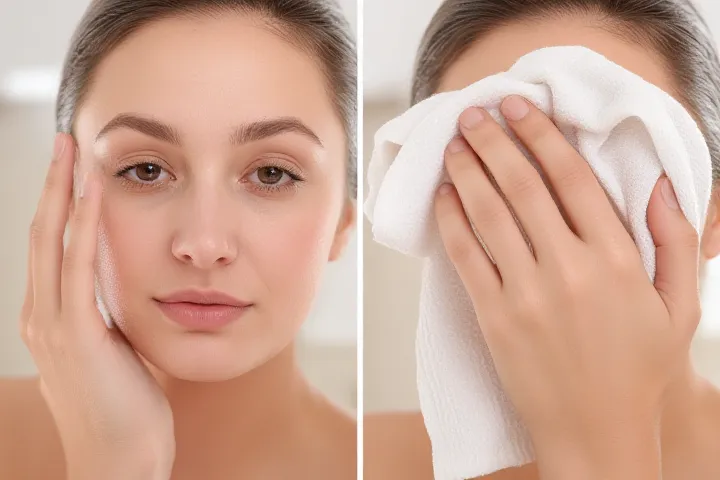
- Gentle Cleanse: Wash your face with lukewarm water and a mild, non-comedogenic cleanser. Pat skin dry with a clean towel.
- Moisturize: Apply a lightweight, oil-free, non-comedogenic moisturizer. Even oily skin needs hydration, as drying it out can worsen acne.
- Sunscreen: This is a non-negotiable step. Many acne treatments make skin more sensitive to the sun. Use a broad-spectrum, oil-free sunscreen with an SPF of 30 or higher every single day.
Evening Routine: Cleanse and Treat
- Cleanse: Wash your face to remove the day’s buildup of oil, dirt, and sunscreen. If you wear makeup, consider double cleansing by first using an oil-based cleanser or micellar water.
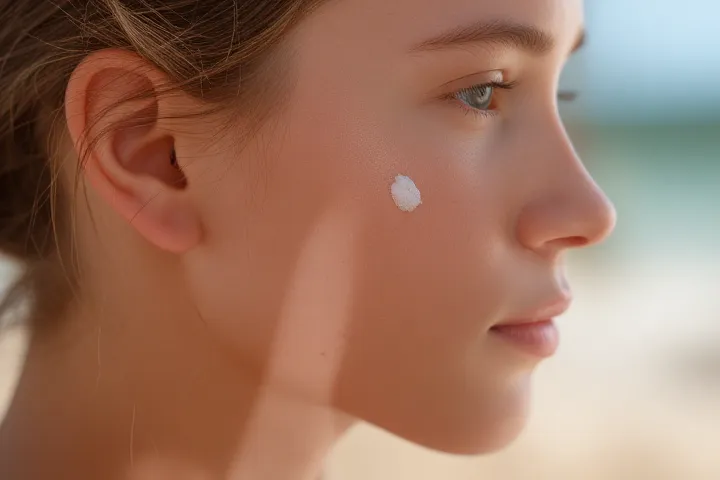
- Treat: Apply your chosen acne-fighting product. Use a thin layer over the entire area prone to breakouts, not just on existing pimples, to help prevent new ones.
- Moisturize: Finish with the same lightweight moisturizer from your morning routine.
Decoding Over-the-Counter (OTC) Teen Acne Treatment
The skincare aisle can be intimidating. The American Academy of Dermatology (AAD) recommends starting with one product containing a proven acne-fighting ingredient to avoid irritating the skin.
Benzoyl Peroxide: For Inflamed Pimples
This ingredient is excellent for red, angry pimples (papules and pustules). It works by killing the bacteria that contribute to acne. It’s available in strengths from 2.5% to 10%. It’s wise to start with a lower percentage (2.5% or 5%) to see how your skin reacts, as it can be drying.
Salicylic Acid: For Blackheads and Whiteheads
As a beta-hydroxy acid (BHA), salicylic acid exfoliates the skin and gets deep into pores to dissolve clogs. This makes it a great choice for non-inflammatory acne like blackheads and whiteheads. It’s commonly found in cleansers and toners.
Adapalene: A Gentle Retinoid Option
Adapalene is a type of retinoid that is now available over the counter (e.g., Differin Gel 0.1%). It works by regulating skin cell turnover to prevent pores from becoming clogged. It’s a fantastic long-term preventative treatment but requires consistent use and patience.
When OTC Isn’t Enough: Seeing a Dermatologist
If you’ve consistently used an over-the-counter teen acne treatment for 8-12 weeks with little to no improvement, or if the acne is severe, cystic, or causing scarring, it’s time to see a dermatologist.
What to Expect at the Appointment
A dermatologist will examine the skin, ask about what you’ve tried already, and discuss your lifestyle. They will then create a personalized treatment plan. The goal is to find a solution that works while minimizing side effects. For trusted pediatric health information, resources like HealthyChildren.org from the American Academy of Pediatrics can be very helpful.
Prescription-Strength Solutions
A doctor may prescribe stronger topical retinoids, topical antibiotics, or even oral medications like antibiotics or hormonal regulators for girls. These treatments are more powerful and require medical supervision.
Lifestyle Habits That Support Clearer Skin
While skincare products do the heavy lifting, supportive habits can make a real difference in any teen acne treatment plan.
A Realistic Micro-Case: Sarah’s Skincare Journey
Consider Sarah, a 15-year-old dealing with persistent blackheads on her nose and frequent pimples on her forehead. With her mom’s help, she started a simple routine. She began using a 2% salicylic acid cleanser at night and an oil-free moisturizer with SPF 30 every morning. She invested an initial $40 (all prices mentioned are illustrative and in US dollars) in her new products. After a month, she saw a small improvement and added a 2.5% benzoyl peroxide spot treatment for inflamed pimples. After three months of consistency, her blackheads were significantly reduced, and her breakouts were less frequent. Her success came from starting slow and being patient.
Expert Insight: A Pediatric Dermatologist’s Advice
“The biggest challenge for teenagers is consistency and patience,” says Dr. Marcus Thorne, a board-certified pediatric dermatologist. “They often expect results overnight and can get discouraged. I emphasize that the goal of a good teen acne treatment is gradual improvement and prevention. I also tell parents that their role is to be supportive, not critical. Help your teen establish a routine, but then let them take ownership of it. Positive reinforcement is far more effective than pointing out every new pimple.”
Care, Caution, and Recommendations
Teenage skin can be sensitive, so it’s crucial to treat it gently. Do not scrub, pick, or pop pimples. This can worsen inflammation, lead to infection, and cause permanent scarring. When starting a new active ingredient, use it every other day for the first couple of weeks to allow the skin to adjust. Dryness and some initial peeling can be normal, but if you experience significant redness, burning, or stinging, stop using the product. Always introduce only one new treatment product at a time so you can identify the cause of any irritation. Reputable sources like Children’s Hospital of Philadelphia provide excellent guidance on managing skin conditions in youth.
Alert: Be wary of viral social media “hacks” that suggest using household items like toothpaste or lemon juice on pimples. These can be highly irritating, disrupt the skin’s natural pH balance, and make acne much worse.
Building this foundational routine is the most critical part of the journey. Understanding the importance of sun protection is a key component, so taking time to explore guides on non-comedogenic sunscreens can further empower you.
Frequently Asked Questions About Teen Acne
What is the best daily routine for a teenager with acne?
The best routine is simple: a gentle cleanse, lightweight moisturizer, and broad-spectrum sunscreen in the morning. In the evening, cleanse thoroughly, apply a targeted acne treatment with an ingredient like salicylic acid or benzoyl peroxide, and moisturize again.
Do hormones make teen acne worse?
Yes, hormonal surges during puberty are the primary cause of teenage acne. Androgens increase oil production, which is the first step in the formation of a pimple. This is why acne often flares up during the teen years.
Can makeup cause acne in teens?
It can if you use the wrong products or don’t remove them properly. Look for makeup labeled “non-comedogenic” or “oil-free,” which means it’s less likely to clog pores. Always wash makeup off completely before bed.
How can a teenager prevent acne scars?
The best way to prevent scars is to treat acne early and effectively. Most importantly, never pick, squeeze, or pop pimples. For severe, cystic acne that has a high risk of scarring, see a dermatologist as soon as possible.
Will teen acne go away on its own?
For many people, acne does improve or resolve after the teenage years. However, waiting for it to go away on its own can lead to years of unnecessary discomfort and potential scarring. A proactive teen acne treatment plan is always the best approach for managing breakouts and protecting the long-term health of the skin, a fact supported by health authorities like MedlinePlus.