
Transform your skin with these key vegetables
When building an effective acne program, we often focus on the cleansers, creams, and treatments we apply to our skin. But the foundation of a clear, resilient complexion is built from within. The food you eat provides the essential nutrients that regulate hormones, fight inflammation, and support skin’s natural healing processes. Incorporating specific, nutrient-dense vegetables for acne is one of the most powerful and proactive steps you can take. This guide will explore the top science-backed vegetables that can help you eat your way to clearer, healthier skin.
How Do Vegetables Help Fight Acne? The Core Connection
Acne is, at its core, an inflammatory condition often influenced by hormonal fluctuations and an overproduction of sebum (skin oil). Vegetables are uniquely equipped to combat these root causes. They are packed with antioxidants that neutralize damaging free radicals, rich in fiber that supports a healthy gut (which is directly linked to skin health), and loaded with specific vitamins and minerals that regulate skin cell turnover and reduce inflammation. As the American Academy of Dermatology notes, a growing body of research suggests that a healthy, balanced diet can play a significant role in managing acne.
The Beta-Carotene Powerhouses: Regulating Skin and Oil
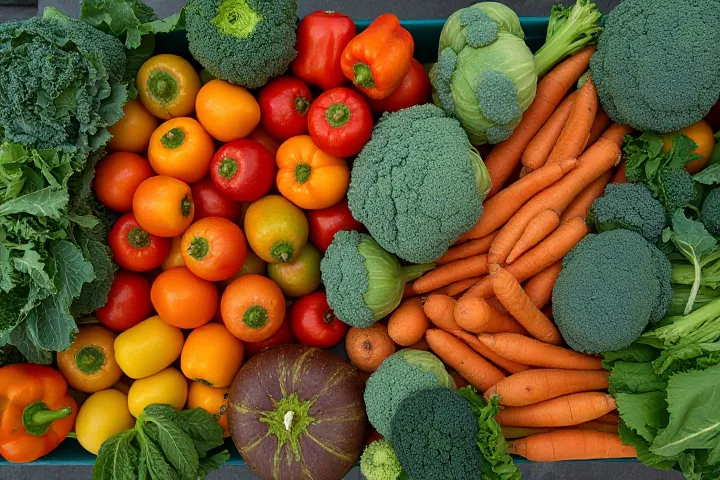
Beta-carotene is a provitamin that your body converts into Vitamin A (retinol), one of the most crucial nutrients for skin health. According to the National Institutes of Health, Vitamin A is essential for regulating the skin cell life cycle, preventing dead cells from clogging pores. It also helps to reduce sebum production, making it a frontline nutrient in the fight against acne.
Sweet Potatoes
This vibrant root vegetable is one of the richest natural sources of beta-carotene. A single medium sweet potato can provide well over 100% of your daily Vitamin A needs. Its low-glycemic nature also means it won’t spike your blood sugar, a common acne trigger.
How to Eat It: Bake them whole, chop them into wedges for air-fried “fries,” or mash them as a nutrient-dense side dish. Let them cool before eating to increase their resistant starch content, which is beneficial for gut health.
Carrots
Famous for their eye-health benefits, carrots are another beta-carotene champion. Their antioxidant properties also help to reduce inflammation in the skin. Including carrots in your diet provides your body with a steady supply of the building blocks for Vitamin A.
How to Eat It: Enjoy them raw with hummus for a fiber-rich snack, shred them into salads for a touch of sweetness and crunch, or roast them with herbs to bring out their natural sugars.
Kale and Spinach
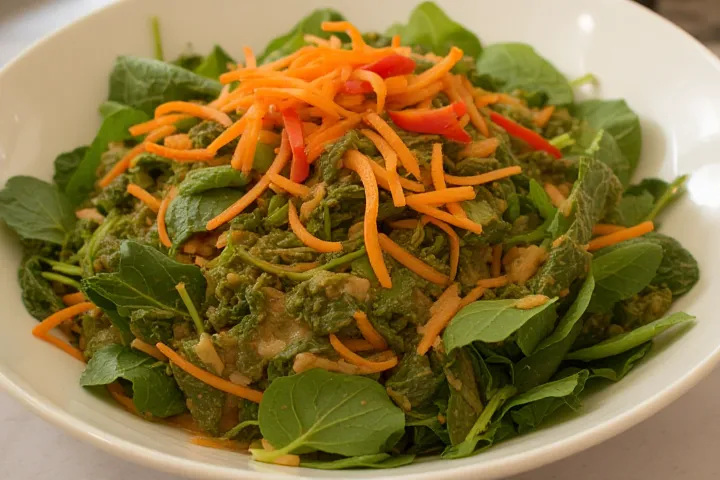
These leafy greens are not only packed with beta-carotene, but also with Vitamin C, Vitamin K, and anti-inflammatory chlorophyll. Kale and spinach are true superfoods for skin, helping to protect it from environmental damage while promoting a clear complexion.
How to Eat It: Use them as a base for salads, blend them into smoothies (a great way to get a concentrated dose), or wilt them into soups, stews, and omelets.
The Cruciferous Detoxifiers: Supporting Hormonal Balance
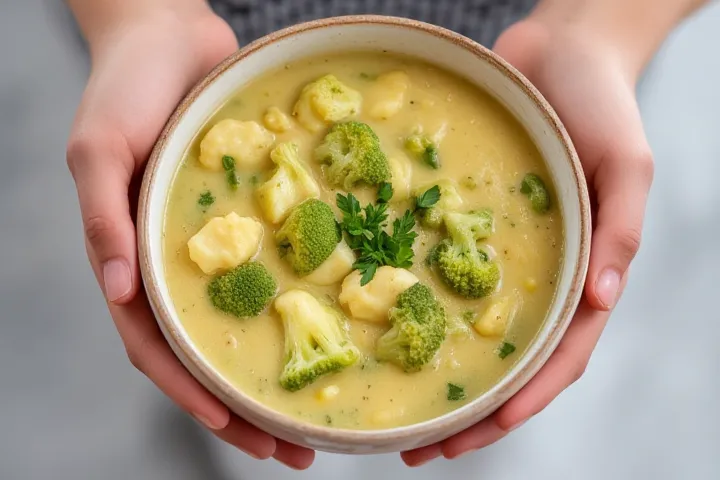
Cruciferous vegetables, like broccoli and cauliflower, contain a unique compound called Indole-3-Carbinol (I3C), which converts to Diindolylmethane (DIM) in your gut. DIM is known to help the liver metabolize hormones more effectively, which can be particularly beneficial for hormonal acne along the jawline and chin.
Broccoli and Broccoli Sprouts
Broccoli is a nutritional powerhouse, containing I3C, Vitamin C, and another compound called sulforaphane, which has potent antioxidant and detox-supporting properties. Broccoli sprouts are even more concentrated in sulforaphane, making them a powerful addition to your anti-acne diet. As Harvard’s School of Public Health notes, its health benefits are extensive.
How to Eat It: Lightly steam or roast broccoli to preserve its nutrients. Add broccoli sprouts to salads, sandwiches, and smoothies for a highly concentrated nutrient boost.
The Vitamin C Champions: Building Collagen and Reducing Scars
Vitamin C is a potent antioxidant that is essential for producing collagen, the protein that gives skin its structure and helps it heal. Adequate Vitamin C intake can speed up the healing of acne lesions and help fade the red or brown marks (post-inflammatory hyperpigmentation) they leave behind.
Bell Peppers
Especially the red and yellow varieties, bell peppers are loaded with Vitamin C—containing even more than an orange. They are also rich in beta-carotene, giving you a powerful two-in-one benefit for skin health and resilience.
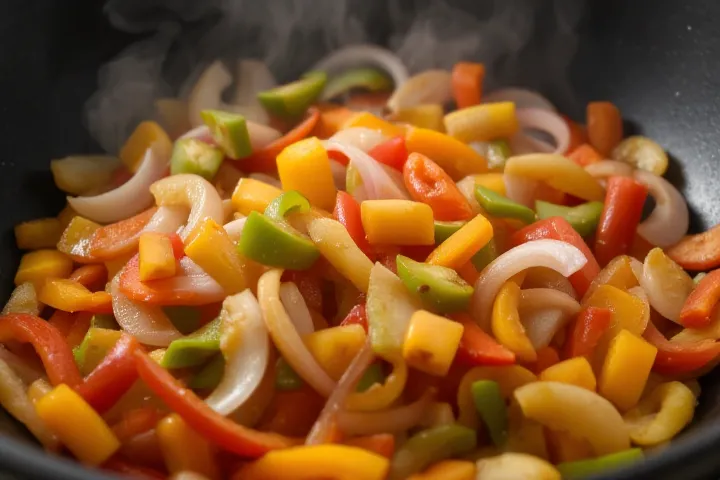
How to Eat It: Slice them up for a raw, crunchy snack, stir-fry them with other vegetables and a protein source, or roast them to enhance their sweetness.
Alert: While diet is a powerful tool, it is not a replacement for a consistent skincare routine or professional medical advice, especially for those with severe or cystic acne. View these dietary changes as a foundational part of a comprehensive acne management program.
The Gut-Skin Axis: Prebiotic and Fiber-Rich Vegetables
Emerging research continues to highlight the “gut-skin axis,” a direct communication pathway between your gut health and your skin health. A study published in the journal Frontiers in Microbiology explores this link, suggesting that a healthy gut microbiome can reduce systemic inflammation, which in turn can calm inflammatory skin conditions like acne. Prebiotic vegetables feed the good bacteria in your gut.
Asparagus, Onions, and Garlic
These vegetables are rich in prebiotic fibers like inulin and fructooligosaccharides. These fibers pass undigested to your colon, where they become food for beneficial bacteria, helping to create a healthy and diverse gut microbiome.
How to Eat It: Roast or grill asparagus with a little olive oil. Use onions and garlic as a flavor base for nearly any savory dish, from soups to stir-fries.
An Integrative Dietitian’s Insight on a Plant-Forward Diet
We spoke with Dr. Isabella Rossi, a Registered Dietitian Nutritionist (RDN) specializing in integrative dermatology. “I guide my clients away from the idea of a single ‘superfood’ and towards building a ‘super-plate’,” Dr. Rossi explains. “The power is in the synergy of these plant compounds. Eating a rainbow of vegetables for acne ensures you’re getting a wide spectrum of vitamins, minerals, and phytonutrients. This diversity feeds your gut microbiome, fights inflammation from all angles, and provides your skin with everything it needs to function optimally. It’s about the overall dietary pattern, not just one vegetable.”
Micro-Case Study: Clara’s Dietary Transformation
Clara, a 25-year-old, was frustrated with her persistent inflammatory acne. She decided to commit to a 3-month dietary intervention. She made a point to include at least three different colors of vegetables in her lunch and dinner every day. A typical day included a spinach smoothie for breakfast, a large salad with bell peppers and carrots for lunch, and roasted sweet potato and broccoli with her dinner. She invested about $50 (USD) a week in fresh produce. After 12 weeks, she noted a roughly 70% reduction in new inflammatory pimples and her overall complexion was brighter and less red.
Care, Caution, and Recommendations
When increasing your vegetable intake, prioritize variety. To minimize pesticide exposure, consider consulting the Environmental Working Group’s (EWG) “Dirty Dozen” list to help you decide when to buy organic. Remember that consistency is more important than perfection. You don’t have to overhaul your entire diet overnight. Start by adding one or two of these skin-loving vegetables to your daily meals this week and build from there.
Frequently Asked Questions About an Anti-Acne Diet
How long does it take to see skin improvements from eating these vegetables?
While some people may notice a reduction in inflammation within a few weeks, it typically takes 8-12 weeks of consistent dietary changes to see significant results. Skin cell turnover and healing take time.
Are raw or cooked vegetables better for acne?
Both have benefits. Cooking can make some nutrients, like the beta-carotene in carrots and the lycopene in tomatoes, more bioavailable. However, other nutrients, like Vitamin C, can be degraded by heat. A mix of both raw and lightly cooked vegetables is the ideal approach.
Can eating too many carrots or sweet potatoes turn your skin orange?
Yes, this is a harmless condition called carotenemia. It’s caused by high levels of beta-carotene in the blood and is most visible on the palms and soles of the feet. It is not dangerous and will fade if you reduce your intake.
What is the single best vegetable for fighting acne?
There isn’t one “best” vegetable. The most effective strategy is to eat a wide variety, or a “rainbow,” of different vegetables. This ensures you are getting a full spectrum of the different vitamins, minerals, and antioxidants your skin needs to thrive.
Building a diet rich in a diverse array of plants is the most reliable and sustainable foundation for any successful acne program. By intentionally incorporating these powerful vegetables for acne into your daily meals, you are doing more than just fighting pimples; you are investing in the long-term health and vitality of your entire body. Let your plate be your partner on your journey to clear, radiant skin.