
The complete guide to effective strategies for acne scars
The journey with acne doesn’t always end when the last pimple fades. Often, it leaves behind a complex landscape of textural changes and discoloration that can take a toll on your confidence. If you’re looking in the mirror and seeing the history of past breakouts instead of the vibrant skin you deserve, it’s time for a new chapter. Developing effective strategies for acne scars is a reclamation project—a dedicated effort to restore your skin’s health, smoothness, and glory. This guide will serve as your strategic blueprint, outlining a phased approach from assessment to advanced solutions.
Phase 1: Assess Your Battlefield and Fortify Your Defenses
Before launching any treatment, a successful campaign requires a thorough understanding of the terrain and a strong defense. In skincare, this means accurately identifying your scar types and ensuring your skin is healthy and resilient enough for treatment. This initial phase is the most critical for long-term success.
Identifying Your Scar Type: Marks vs. Scars
The first step is to differentiate between temporary discoloration and permanent textural changes.
- Discoloration (Marks): These are flat, colored spots. Red or pink marks are Post-Inflammatory Erythema (PIE), caused by damaged capillaries. Brown or dark marks are Post-Inflammatory Hyperpigmentation (PIH), an overproduction of melanin, which is thoroughly explained by resources like the Cleveland Clinic. These marks are not true scars and will often fade over time.
- Textural Scars (True Scars): These involve a physical change in the skin’s surface. Atrophic scars are indented (ice pick, boxcar, rolling) due to a loss of collagen, while hypertrophic scars are raised due to an overgrowth of tissue.
The Golden Rule: Active Acne Must Be Controlled First
You cannot effectively win a war on two fronts. Attempting to treat scars while still battling active, inflammatory acne is often counterproductive and can lead to more scarring. The inflammation from new breakouts can sabotage the healing and collagen-remodeling process. As the American Academy of Dermatology strongly advises, getting active acne under control is the mandatory first step before embarking on any scar revision journey.
Foundational Prevention Strategies
The best defense is a good offense. Fortify your skin against future scarring with these non-negotiable habits:
- Adopt a Hands-Off Policy: Picking, squeezing, and popping pimples is the fastest way to create a scar. It causes intense trauma and inflammation.
- Implement a Gentle Routine: Avoid harsh scrubs and irritating products. Focus on a supportive routine that calms inflammation.
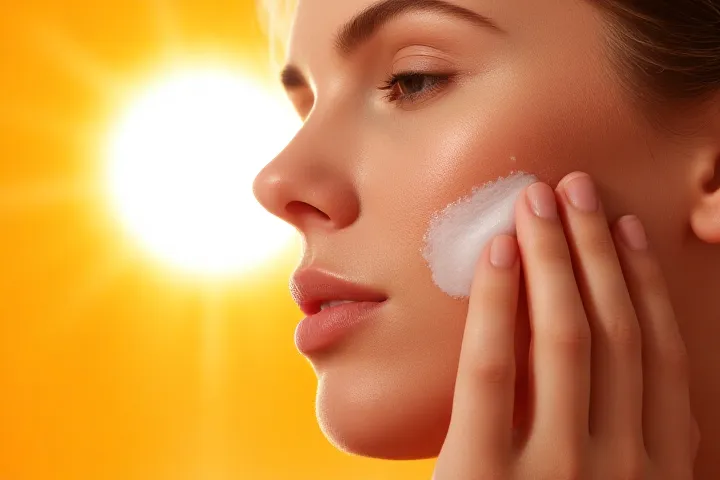
- Master Sun Protection: Sun exposure can darken PIH and degrade existing collagen, making scars look worse. The Skin Cancer Foundation emphasizes that protecting scars from the sun is crucial for proper healing.

Phase 2: Launching Your At-Home Campaign
Once your acne is controlled, you can begin the at-home phase of your reclamation project. These strategies primarily target discoloration and can offer mild improvement for very shallow textural issues over time. Consistency is your key to victory in this phase.
For Discoloration: The Brightening Brigade
To combat PIE and PIH, your mission is to protect, soothe, and encourage even pigmentation. Your key agents include:
- Sunscreen: A broad-spectrum SPF 30+ is your most valuable player, preventing marks from getting darker.
- Niacinamide: This vitamin B3 derivative is an all-star for calming redness (PIE) and inhibiting the transfer of pigment (PIH).
- Azelaic Acid: A gentle but effective acid that specifically targets excess melanin production to fade brown spots.
- Antioxidants like Vitamin C: Helps protect the skin from free radical damage and provides brightening benefits.
For Texture: The Resurfacing Regimen
To make a dent in shallow textural scars, you need ingredients that encourage cell turnover and, most importantly, stimulate the production of new collagen.
- Retinoids: This is the gold standard. Available over-the-counter (adapalene, retinol) or by prescription (tretinoin), retinoids are proven to speed up cell turnover and boost collagen synthesis, which can soften the appearance of scars over many months of dedicated use.
- Alpha-Hydroxy Acids (AHAs): Ingredients like glycolic acid, when used consistently in concentrations of 8% or higher, exfoliate the surface of the skin, which can make the edges of shallow scars appear less sharp.
Phase 3: Calling in the Specialists (Professional Reinforcement)
For moderate to severe textural scars, at-home treatments can only do so much. This is when you call in reinforcements. A board-certified dermatologist can offer powerful procedures that work on a much deeper level to remodel the skin’s structure. These are significant investments, with costs ranging from a few hundred to several thousand dollars (USD) depending on the treatment.
Collagen-Induction Therapies: Microneedling & Radiofrequency
These treatments work by creating a controlled injury to trigger the body’s healing response.
- Microneedling: Creates tiny punctures in the skin to stimulate fresh collagen. A review of studies on PubMed Central confirms its high efficacy and safety for atrophic acne scars.
- RF Microneedling: Combines microneedling with radiofrequency energy, delivering heat to the deeper layers of the skin for even more robust collagen stimulation and skin tightening.
Alert: Your results will be gradual and require patience. It takes months for new collagen to form and remodel. Comparing your progress to heavily filtered “overnight transformations” on social media is a recipe for disappointment and can be detrimental to your mental health.
A Dermatological Strategist’s View on Combination Therapy
Dr. Eleanor Vance, a board-certified dermatologist specializing in scar revision, views treatment as a strategic campaign. “There’s no single silver bullet for significant scarring,” she explains. “The art of scar revision lies in combination therapy. I might use subcision—a technique described by the American Society for Dermatologic Surgery—to break up the tethers holding a rolling scar down, then follow up with a series of RF microneedling sessions to build new collagen in that space. It’s about layering different modalities to attack the problem from multiple angles for the most comprehensive result.”
Micro-Case Study: Daniel’s Reclamation Project
Daniel, 32, had rolling scars on his temples that made him feel self-conscious. His “reclamation project” began with getting his acne under control (Phase 1). He then spent six months on a prescription retinoid to improve overall skin quality (Phase 2). Finally, he underwent a series of three RF microneedling sessions combined with subcision (Phase 3). While the total cost was nearly $3,000 (USD), he felt the roughly 60% improvement in his scars and the resulting boost in his confidence was a worthwhile investment in himself.
Care, Caution, and Recommendations
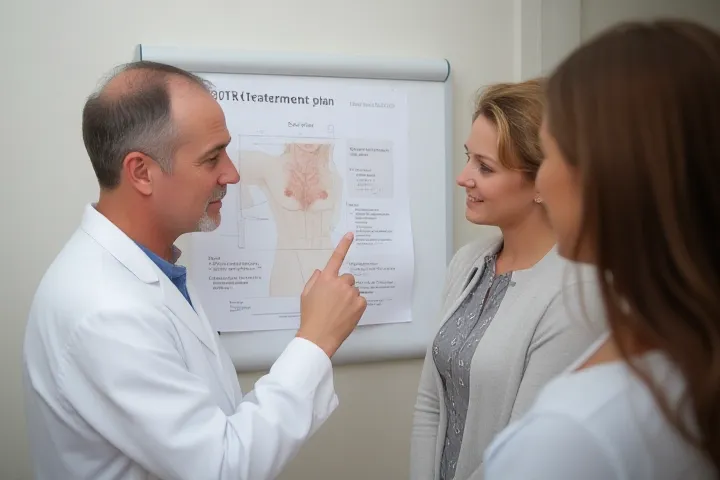
Consider your scar treatment plan a serious project that requires careful management. Sunscreen is your project insurance—without it, you risk hyperpigmentation and poor results. Be wary of “bargain” treatments from underqualified providers; the risk of permanent damage is not worth the savings. Allow for downtime; your skin needs time to heal after procedures. Take the first step in your skin reclamation project by scheduling a consultation with a board-certified dermatologist for a personalized strategic plan.
Frequently Asked Questions on the Path to Smoother Skin
What is the very first step I should take to deal with my acne scars?
The first and most important step is to ensure your active acne is completely under control. The second step is to schedule a consultation with a board-certified dermatologist to correctly identify your scar types and discuss a realistic treatment plan.
How long does it realistically take to see improvement in acne scars?
For at-home treatments targeting discoloration, you may see improvement in 3-6 months. For professional treatments targeting texture, it can take 6-12 months or longer to see the full results, as collagen remodeling is a slow and gradual process.
Are professional treatments painful?
Most professional scar treatments involve some discomfort. However, dermatologists use strong topical numbing creams to make the procedures very tolerable. You may experience a sensation of heat or pressure, but sharp pain is uncommon.
Can I ever get 100% clear skin after scarring?
The goal of treatment is significant improvement, not perfection. It is rarely possible to restore the skin to its original, pre-acne state. However, with modern combination therapies, it is very possible to achieve a dramatic reduction in the visibility of scars that makes them difficult to notice.
Reclaiming your skin from the remnants of acne is a journey of patience, investment, and strategic action. By understanding the nature of your scars, committing to prevention, and leveraging the powerful tools of at-home and professional care, you can actively rewrite your skin’s story. These effective strategies for acne scars are your blueprint for moving forward, helping you to not only restore your skin’s smooth texture and even tone but also to reclaim the confidence that comes with feeling truly comfortable in the skin you’re in.