
How to choose and use a comprehensive logistics company
In today’s fast-paced, customer-centric economy, the journey a product takes from a warehouse shelf to a customer’s doorstep is more critical than ever. For many growing businesses, managing this complex process in-house—the packing, shipping, tracking, and warehousing—can become a significant drain on resources and a major bottleneck to growth. The strategic move of utilizing a comprehensive logistics company is the solution that allows businesses to scale efficiently, improve customer satisfaction, and focus on their core competencies. This is not merely outsourcing a task; it’s about gaining a powerful partner dedicated to optimizing your entire supply chain.
Beyond Shipping: Logistics as a Competitive Advantage
Historically, logistics was often viewed as a simple cost center—a necessary expense in the process of selling goods. This mindset is now outdated. In the age of e-commerce, where delivery speed and accuracy are paramount, a streamlined supply chain is a powerful competitive advantage. A strategic logistics partner transforms your operational capabilities, enabling you to offer faster shipping, reduce errors, and handle fluctuating demand with an agility that would be nearly impossible to achieve in-house. As federal bodies like the U.S. Department of Transportation oversee the vast network of freight and logistics, it’s clear that this sector is the backbone of modern commerce, and leveraging its experts is a key business strategy.
What is a Comprehensive Logistics Company (3PL)?
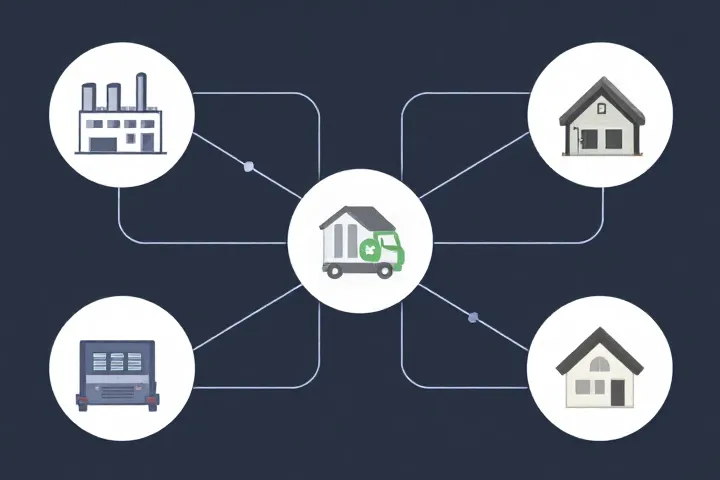
A comprehensive logistics company, most commonly known in the industry as a Third-Party Logistics (3PL) provider, offers a wide range of outsourced supply chain services. Instead of a business managing its own warehousing and shipping, it partners with a 3PL to handle these operations. The scope of services can be tailored to a client’s needs but typically includes:
- Warehousing and Storage: Securely storing inventory in strategically located fulfillment centers.
- Inventory Management: Using advanced software to track stock levels, manage SKUs, and forecast demand.
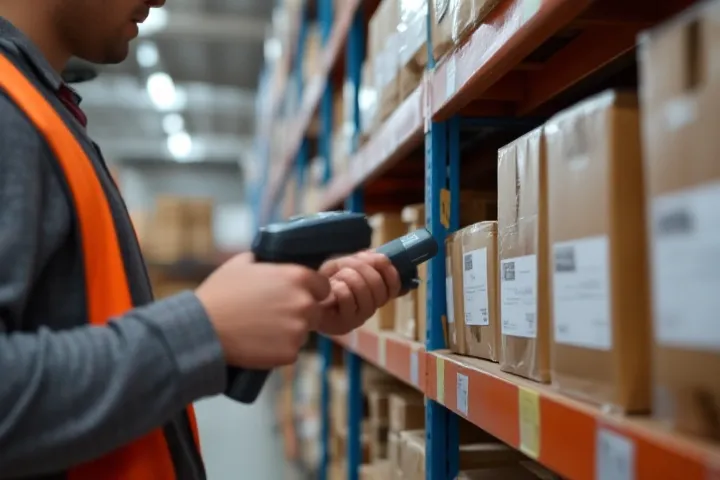
- Order Fulfillment: Picking, packing, and preparing orders for shipment as they are received.
- Transportation and Freight Management: Negotiating with carriers (like FedEx, UPS, etc.) to secure the best rates and managing the entire shipping process, from dispatch to final delivery.
- Returns Management (Reverse Logistics): Handling the process of customer returns, including inspection and restocking.

Core Benefits of Partnering with a Full-Service Logistics Provider
The decision to partner with a comprehensive logistics company provides a powerful return on investment through several key benefits.
Cost Reduction and Efficiency
3PLs handle massive shipping volumes, which allows them to negotiate significantly lower rates from carriers than a single small business could. You also save on the immense capital investment and overhead costs associated with leasing warehouse space, hiring and training staff, and purchasing packing materials and software.
Scalability and Flexibility
One of the greatest advantages is the ability to scale your operations up or down instantly. A 3PL can seamlessly handle a 300% surge in orders during the holiday season and then scale back down without you being locked into long-term leases or staffing commitments. This flexibility is crucial for growing businesses and those with seasonal demand.
Access to Expertise and Technology
Logistics is a complex field with its own set of challenges and technologies. By partnering with an expert, you gain immediate access to their industry knowledge and state-of-the-art warehouse management systems (WMS) and inventory tracking software. This technology provides valuable data and visibility into your supply chain, a topic often explored by professional organizations like the Council of Supply Chain Management Professionals (CSCMP).
Improved Customer Service
Faster processing times, fewer shipping errors, and professional packaging all contribute to a better customer experience. A reliable 3PL ensures that your customers receive their orders quickly and accurately, which is a key driver of loyalty and positive reviews in the competitive e-commerce landscape.
A Practical Example: An E-commerce Brand Scales for the Holidays
Consider “Artisan Goods Co.,” an online business selling handmade candles. For their first two years, the founder packed every order from her garage. As the business grew, she was spending four hours a day on fulfillment, and the holiday season was a nightmare of long post office lines and delayed shipments. She decided to partner with a 3PL. The results were transformative. Her average shipping cost per order dropped by 15% due to the 3PL’s bulk rates. Her order processing time was reduced from 48 hours to same-day fulfillment. When the next holiday season arrived, the 3PL seamlessly handled a 400% increase in order volume, and customer satisfaction scores soared. The monthly cost of the 3PL (around $2,000 during peak season) was easily offset by the increased sales and the founder’s reclaimed time, which she reinvested in marketing and product development.
Insight from a Supply Chain Consultant
We spoke with Dr. David Chen, a supply chain consultant with over 25 years of experience helping e-commerce brands scale. “Business owners get fixated on comparing the per-package shipping rate between 3PLs,” David explains. “That’s a rookie mistake. The true value—or friction—in utilizing a comprehensive logistics company comes from technology integration and communication. Does their software provide you with real-time, accurate inventory data? Do they assign you a dedicated account manager who responds quickly when there’s an issue? A cheap provider who creates constant operational headaches is a massive liability. The best partnerships are built on transparent data and a shared obsession with the end-customer’s experience.”
Care, Caution, and Recommendations
When you outsource your logistics, you are placing a critical part of your business in someone else’s hands. It’s essential to perform thorough due diligence. Carefully vet potential partners by checking references and even visiting their facilities if possible. Ensure you have a crystal-clear Service Level Agreement (SLA) that defines performance expectations for things like order accuracy, processing time, and inventory shrinkage. While you delegate the tasks, you can never fully delegate the responsibility for your customer’s experience. Maintain regular communication and review performance metrics with your logistics partner. Industry publications like Supply Chain Dive often provide insights into best practices for managing these crucial relationships.
Alert: Scrutinize every contract for hidden fees. While the core services might be clearly priced, many logistics agreements contain a long list of accessorial charges for things like fuel surcharges, special handling, or even storage fees calculated in complex ways. A seemingly cheap offer can become very expensive once these are factored in.
By shifting your focus from in-house execution to expert management, you can transform your supply chain from a source of stress into a powerful engine for customer satisfaction and business growth. This strategic decision is a hallmark of a company that is ready to scale.

Frequently Asked Questions (FAQ)
What’s the difference between a 3PL and a 4PL?
A 3PL (Third-Party Logistics) provider executes the physical logistics operations like warehousing and shipping. A 4PL (Fourth-Party Logistics) provider is a higher-level consultant that manages the relationship between a company and multiple 3PLs, essentially acting as the single point of contact for the entire supply chain.
Is hiring a comprehensive logistics company expensive?
While it is a significant investment, it is often more cost-effective than managing logistics in-house once you factor in the costs of warehouse leases, employee salaries, and shipping materials. The economies of scale offered by a 3PL on shipping rates alone can often offset a large portion of their management fees, a point often highlighted in business resources like Forbes.
At what point should a small business consider outsourcing logistics?
A common trigger point is when the business owner is spending more than 25% of their time on fulfillment, or when they can no longer process orders within 24 hours. Other signs include running out of storage space or realizing that shipping costs are eating too much into profit margins, a topic often covered by the SBA for growing businesses.
What are the key performance indicators (KPIs) to track with a logistics partner?
Key KPIs include Order Accuracy Rate (should be >99%), On-Time Shipping Rate, Average Order Processing Time (Dock-to-Stock Time), and Inventory Accuracy. These metrics give you a clear view of your partner’s performance.
What is a Service Level Agreement (SLA) in logistics?
An SLA is a critical part of your contract with a logistics provider. It is a formal document that defines specific, measurable performance standards that the provider commits to, such as guaranteeing that 99.5% of orders will be shipped within 24 hours. It also outlines penalties or remedies if these standards are not met.
In the end, the decision of utilizing a comprehensive logistics company is a strategic move that empowers a business to focus on its core strengths—product development, marketing, and customer relationships. By entrusting the operational complexities of your supply chain to a dedicated expert, you not only improve efficiency and reduce costs but also build a scalable foundation for future growth.
Related posts:
 Incorporating Your Small Business: Advantages and Considerations
 Strengthening Business Integrity: The Role of Internal Control
 Crafting an Impactful Resume: Four Essential Steps
 Unlocking the Benefits: Incorporating a Company Offshore
 Mastering Leadership in Turbulent Times: Five Invaluable Strategies
 Maximize Your Consulting Income: Diversification Strategies for Success