

Why Do you hear what I hear is not a typical carol
Every holiday season, the soaring melody of “Do You Hear What I Hear?” fills the airwaves, a staple of Christmas choirs and radio playlists. Its lyrics paint a familiar Nativity scene: a star, a shepherd boy, a humble king. But beneath its surface as a beautiful carol lies a story of profound fear and a desperate prayer for peace born in one of the most tense moments of modern history. Understanding the true Do You Hear What I Hear meaning transforms it from a simple Christmas song into a powerful anthem of hope against overwhelming anxiety, a masterpiece of lyrical and musical storytelling.
More Than a Christmas Song: A Cold War Prayer for Peace
Unlike carols written centuries ago, “Do You Hear What I Hear?” is a relatively modern creation with a deeply political and personal origin story. It wasn’t written to celebrate a historical birth in a manger, but to process the terrifying possibility of global annihilation. The song is a direct product of the Cold War and the palpable fear that gripped the world in the early 1960s. This context is not just trivia; it is the entire emotional core of the song.
The Songwriters: A Story Forged in War
The song was written in October 1962 by the husband-and-wife team of Noël Regney (lyrics) and Gloria Shayne Baker (music). Regney’s personal history is crucial to understanding the song’s depth. As a Frenchman, he was conscripted into the Nazi army during World War II, an experience he abhorred. He was forced to fight against his own people until he was wounded, at which point he deserted and secretly joined the French Resistance. This firsthand experience with the brutality and insanity of war gave him a unique perspective on the fragility of peace, a theme that powerfully animates his lyrics.
Written in the Shadow of the Cuban Missile Crisis
The song was composed during the terrifying 13 days of the Cuban Missile Crisis. As the United States and the Soviet Union stood at the brink of nuclear war, the world held its breath. This event, as chronicled by sources like the John F. Kennedy Presidential Library and Museum, was the backdrop for the song’s creation. Regney recalled seeing parents pushing strollers in New York City, seemingly oblivious to the impending danger, and was moved to write a plea for innocence and peace. He later stated, “I am amazed that those two authors were able to write a song of such hope and faith during a time of such fear.” He was, of course, talking about himself and his wife. He used the familiar, non-denominational story of the Nativity as a “safe” vehicle to carry a message he felt the world desperately needed to hear.
The Musical Architecture: A Composition of Growing Urgency
Gloria Shayne Baker’s musical composition is as vital to the song’s meaning as the lyrics. The music is not a simple, repetitive carol melody. Instead, it functions as a dramatic crescendo, mirroring the lyrical journey from a whisper to a proclamation. Composed in a flowing 4/4 time signature that often feels like a stately waltz, the music builds in complexity and volume with each verse. It starts with a simple, quiet melody for the Night Wind, then adds layers and intensity as the message is passed to the lamb, the shepherd, and finally, the king. This deliberate build-up creates a sense of growing importance and urgency, ensuring the final plea for peace lands with maximum emotional impact.
A Lyrical Chain of Hope: Analyzing the Song’s Message
The genius of the song lies in its narrative structure. It’s a chain of communication, where a message of hope is passed from the smallest element of nature up to the most powerful human figure. Each verse builds on the last, amplifying the message’s urgency.
The Night Wind to the Little Lamb: A Message from Nature
The song begins not with angels or humans, but with the “Night Wind,” a natural, almost primal force. The wind speaks to a “Little Lamb,” a classic symbol of innocence, purity, and sacrifice. The message is simple and wondrous: a star “dancing in the night.” The word “dancing” is key, suggesting a living, joyful light that contrasts sharply with the rigid, cold fear of the era.
The Lamb to the Shepherd Boy: Innocence Hears the Call
The lamb, representing innocence, passes the message to a “Shepherd Boy,” a figure of humility and attentiveness. The message grows in detail—the star now has a “tail as big as a kite,” a child-like description that grounds the celestial event in earthly terms. The lamb’s command to the boy, “Do you hear what I hear?”, becomes the song’s central refrain, a call to pay attention to signs of hope even in dark times.
The Shepherd Boy to the Mighty King: A Plea to Leadership
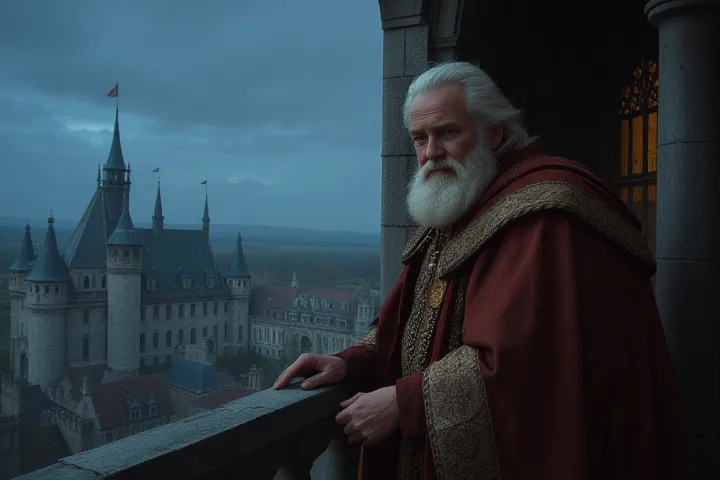
The humble Shepherd Boy bravely takes the message to a “Mighty King.” This is the song’s most critical transition, moving from the pastoral to the political. The message shifts from awe to action: “a child, a child shivers in the cold.” This line is a powerful metaphor for all of humanity’s vulnerability, a direct appeal to leadership to recognize and protect the innocent. It challenges the powerful to look beyond their palaces and see the fragility of their people.

The King’s Proclamation and the Song’s Legacy
The final verse is where the song’s true, urgent meaning is unveiled. The king’s response is not about gifts or worship for a newborn. It is a global proclamation that directly addresses the fears of 1962: “Pray for peace, people everywhere!” The “child” becomes a stand-in for goodness, light, and a future free from war. The song’s initial recording by the Harry Simeone Chorale was successful, but it was Bing Crosby’s version, released a year later, that became the definitive one. Crosby’s warm, fatherly voice, as discussed in archives of music publications like Billboard, gave the song a profound sense of gravity and comfort, making the urgent prayer feel both personal and universal.
Expert Insight: A Music Historian on Its Enduring Power
“The brilliance of ‘Do You Hear What I Hear?’ is its dual-layered genius,” explains Dr. Evelyn Reed, a music historian specializing in 20th-century protest music. “Lyrically, Regney used the ‘safe space’ of a Christmas carol to deliver a deeply subversive anti-war message. Musically, Shayne’s composition is a masterclass in tension and release. The song is a crescendo that mimics the spread of a vital rumor, starting as a whisper and building to a royal decree. It’s this perfect marriage of a timely message with a timeless musical structure that allowed it to transcend its specific historical moment and become a universal anthem for peace.”
A Word of Caution and Recommendations
When listening to or performing this song, the key is to remember its dual nature. While it is a beautiful piece of holiday music, treating it as just a simple Nativity story misses its profound depth. A common misinterpretation is to sing it with purely joyful reverence; the song’s emotional core is vulnerability and desperate hope. For families and educators, the song’s history provides a unique and accessible entry point to discuss complex themes like the Cold War, the importance of peace, and how art can be a powerful response to crisis. A practical example could be a school music program, spending a modest amount (perhaps $500 on educational materials and guest lesson plans) to teach students the song’s historical context, enriching their performance far beyond just hitting the right notes.
Alert: While the song concludes with a message of hope and peace, it’s crucial to remember that it was born from a place of genuine, existential fear. Its gentle melody stands in stark contrast to the anxiety of nuclear annihilation that inspired it.
By exploring the history of carols like this, we enrich our holiday traditions. Reputable music organizations like ASCAP help preserve these important legacies. For a stark reminder of the era’s tension, historical resources like History.com are invaluable.

Frequently Asked Questions (FAQ)
What is the true story behind “Do You Hear What I Hear?”?
The song was written in October 1962 by Noël Regney and Gloria Shayne Baker as a prayer for peace during the Cuban Missile Crisis. It uses the Nativity story as a framework to call for peace in the face of potential nuclear war.
Was “Do You Hear What I Hear?” written about the Cuban Missile Crisis?
Yes, it was written explicitly in response to the fear and anxiety of the Cuban Missile Crisis. The lyricist, Noël Regney, was profoundly affected by the tension and penned the words as a plea for peace.
Who wrote the song?
The lyrics were written by Noël Regney, a WWII veteran, and the music was composed by his then-wife, Gloria Shayne Baker. Their combined effort created the iconic carol we know today.
Is it considered a traditional Christmas carol?
While it is now a standard, it is not a “traditional” carol in the sense of being centuries old. It’s a modern carol, written in 1962, but its universal message and classic sound have allowed it to be adopted into the traditional Christmas canon.
What do the symbols in the song (wind, lamb, shepherd, king) represent?
The symbols represent a chain of communication. The wind is nature’s message, the lamb is innocence, the shepherd boy is humble humanity, and the king represents world leaders who hold the power to bring peace.
The true Do You Hear What I Hear meaning is a powerful reminder that some of our most beautiful traditions are born from our most difficult moments. It stands as a testament to the enduring power of hope and the unwavering human belief that a call for peace, passed from the wind to a lamb, a boy, and a king, can ultimately be heard by everyone, everywhere. The song’s continued relevance is a testament to its masterfully crafted message, a story you can explore further through resources like NPR’s extensive archives on music history.