
Why this Frozen song is more tragic than you remember
On the surface, “Do You Want to Build a Snowman?” is a simple, sweet song from Disney’s 2013 blockbuster Frozen about a little girl who just wants to play with her sister. Yet, within its deceptively simple melody and plaintive lyrics lies the entire emotional blueprint for the film. To have the “Do You Want to Build a Snowman?” lyrics explained is to understand the deep seeds of isolation, grief, and unwavering love that define the complex relationship between Anna and Elsa. This song is not mere filler or a charming interlude; it’s a masterclass in narrative efficiency, compressing years of growing distance and quiet heartbreak into one of modern animation’s most poignant sequences.
More Than a Song: The Narrative Heartbeat of Frozen
Unlike many musical numbers that pause the plot for a moment of reflection, this song, penned by the brilliant duo Kristen Anderson-Lopez and Robert Lopez, actively drives the story forward. In musical theater tradition, this song defies simple categorization. It’s not a classic “I Want” song, but it powerfully establishes what a character—Anna—is missing: connection. More uniquely, it functions as a narrative montage, a device rarely executed so effectively through music. It establishes the central conflict: Anna’s desperate need for companionship versus Elsa’s trauma-induced isolation. It’s the “why” behind every decision the sisters make later in the film. As detailed in many analyses of Disney’s narrative songwriting, the most effective songs serve the story, and this one is a prime example of music as an essential storytelling tool.
The Innocent Invitation: A Symbol of a Lost Childhood
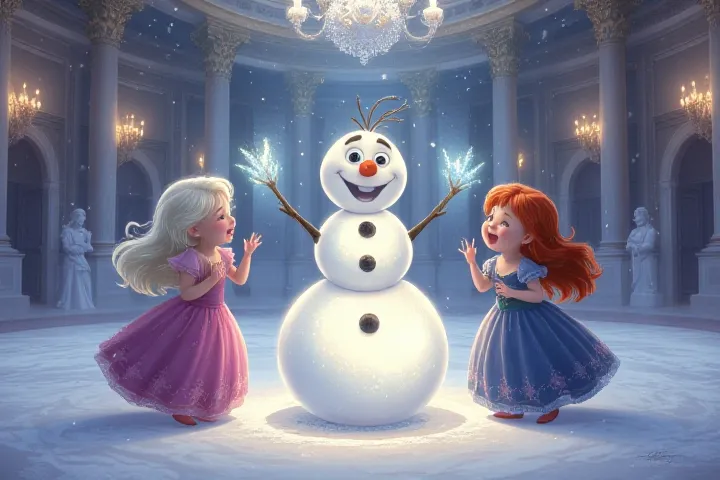
The song opens with a young, five-year-old Anna, full of innocent joy. Her question, “Do you want to build a snowman?” is more than a literal request. It’s a call back to their last shared moment of happiness, the magical playtime in the great hall that ended in disaster. For Anna, whose memory of the accident was erased by the trolls to save her, the snowman represents pure, uncomplicated fun with her “best buddy.” She doesn’t understand the sudden shift. One day she was playing in a winter wonderland with her magical sister; the next, that sister is locked away, and the memory is gone, leaving a confusing void of loneliness in its place. Her persistent knocking is an attempt to reclaim a joy she can’t quite remember but deeply feels is missing.
“Go Away, Anna”: The Sound of a Closed Door and a Broken Bond
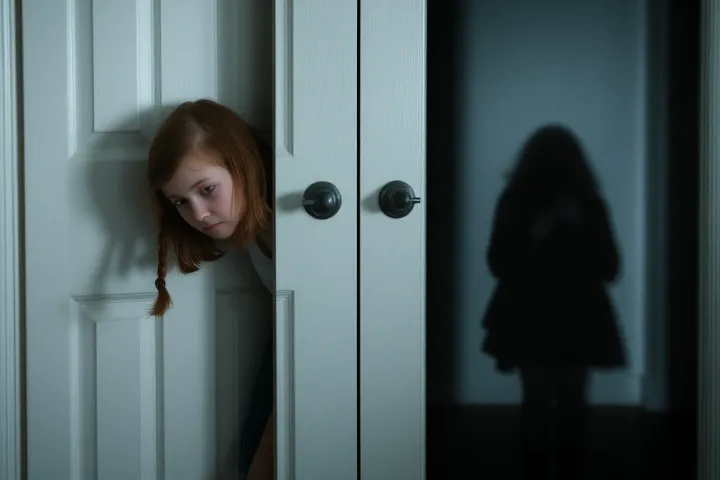
Elsa’s response, a muffled and pained “Go away, Anna,” is heartbreaking. From her side of the door, she is not rejecting her sister out of malice, but out of a deep-seated fear and guilt. The mantra instilled by her parents, “Conceal it, don’t feel it, don’t let it show,” has become her prison. Every knock from Anna is a terrifying reminder of the danger she poses, reinforcing her belief that isolation is the only way to keep her beloved sister safe. The closed door becomes the primary visual and auditory metaphor for their entire childhood—a physical barrier representing an emotional chasm built from trauma and fear.
A Lyrical Time-Lapse: Charting Years of Growing Apart
The song’s structure is one of its most powerful narrative tools, using three distinct verses to show the passage of time and the emotional evolution of the sisters’ estrangement. The musical arrangement subtly shifts with each time jump, reflecting the decaying hope and encroaching sadness.
The First Time Jump: Hope Lingers but Loneliness Creeps In
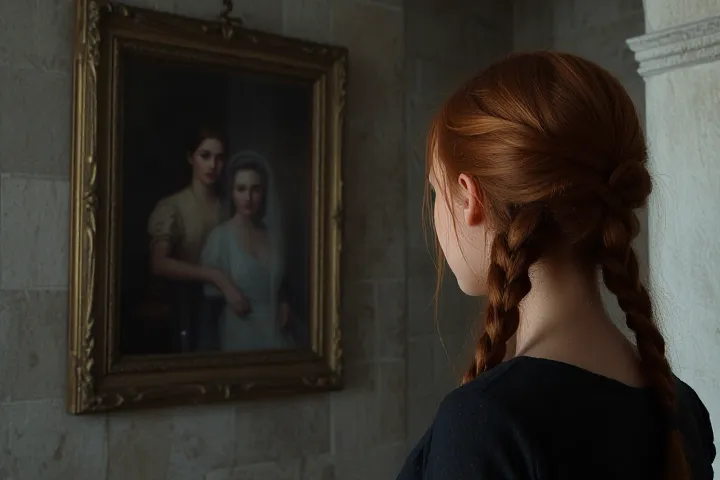
We jump forward to Anna at age nine. Her voice is slightly older, but the playful spirit remains, underscored by a hopeful piano melody. She’s still trying, suggesting they “ride our bikes around the halls.” This verse introduces a deeper layer of loneliness. Her line, “I’ve started talking to the pictures on the wall,” is played for a slight laugh, but it’s a poignant confession of profound isolation within a vast, empty castle. For Elsa, these years are arguably worse. As a nine-year-old, she would be grappling with her growing powers, the constant fear of another accident, and the heavy burden of a secret that isolates her not just from Anna, but from everyone. Her silence is not passive; it’s an active, painful, and constant state of vigilance.
The Second Time Jump: The Final Plea Amidst Tragedy
The final verse marks the most significant shift, both lyrically and musically. Anna is now a teenager, age fifteen, and the scene is somber. Their parents have just been lost at sea, a tragedy that should have brought the sisters together. The playful piano is replaced by mournful, swelling strings as Anna approaches the door one last time. Her voice has lost its childish cadence, replaced with a slow, grief-stricken plea. “Elsa, please, I know you’re in there… I’m right out here for you, just let me in.” Her request is no longer about playing; it’s about shared survival and a desperate need for mutual support. This moment highlights the ultimate failure of their parents’ philosophy; by teaching Elsa to hide, they denied both their children the tools to process grief together, leaving them utterly alone when they needed each other most.
This is the song’s emotional climax. Anna’s lines, “We only have each other, it’s just you and me. What are we gonna do?” represent her last, most vulnerable attempt to breach the wall between them. When she is met only with devastating silence, she finally slumps to the floor in defeat. On the other side, we see Elsa, also grieving, trapped in a room that has become a manifestation of her icy fear. This moment solidifies the tragedy: two sisters, suffering the same loss, completely alone and just feet apart. This emotional isolation is a core theme that resonates with psychological studies on sibling estrangement, where fear and misunderstanding create insurmountable barriers, as explored in articles on sibling relationships and psychology.
Expert Insight: A Musicologist’s Take on a Disney Masterpiece
According to Dr. Eleanor Vance, a musicologist with a focus on narrative scoring in animation, the song’s genius lies in its masterful use of musical motifs and silence. “The composition by Anderson-Lopez and Lopez is deceptively simple,” Dr. Vance explains. “The recurring four-note ‘snowman’ piano motif is initially playful but becomes increasingly melancholic and hesitant with each repetition. In the final verse, the orchestration swells with a tragic string section, underlining the immense grief, but Anna’s vocal line remains fragile and exposed. This contrast is key. However, the silence from behind Elsa’s door is the most powerful instrument in the piece; it’s a musical negative space filled with fear, unspoken grief, and love. It’s a brilliant piece of character and plot development through music.”
Beyond the Words: Unpacking the Symbolism of the Snowman
The snowman is the song’s central, evolving symbol, a thread that ties the sisters’ past, present, and future together.
- For Young Anna: It represents the peak of her happy childhood and the magic she shared with her sister—a perfect, joyful memory she can’t fully access.
- As She Grows: It becomes a metaphor for any shared activity, any connection at all. This is beautifully captured in the line, “It doesn’t have to be a snowman,” showing her willingness to do anything to reconnect.
- For Elsa: The snowman is a symbol of her dangerous power and the moment her life changed forever. It’s a memory steeped in trauma, making Anna’s innocent request a painful reminder of her failure to protect her.
- Olaf’s Existence: The symbolism culminates in the creation of Olaf. He is, quite literally, the snowman they never got to build together, magically brought to life by Elsa’s subconscious longing for that lost connection and happiness. He is the living embodiment of their childhood love.
Understanding the layers of this song enriches the viewing experience of the entire Frozen saga, inviting a re-watch with a new, more profound perspective on the sisters’ journey back to each other.
A Word of Caution and Recommendations
When exploring the meaning of this song, it’s important to approach Elsa’s character with empathy. It’s easy to view her as cold or cruel for ignoring her sister’s pleas, but her actions are driven entirely by fear and a misguided sense of protection, a response to trauma. A common misinterpretation is that Elsa simply doesn’t care, when in reality, her silence is a painful, ongoing sacrifice. When discussing the film with younger viewers, it’s a valuable opportunity to talk about how fear can make people push away those they love most. For older audiences, it serves as a powerful allegory for how unresolved childhood trauma and poor communication can create deep rifts in families, a subject often discussed in resources from organizations like the American Academy of Child and Adolescent Psychiatry.
Alert: The song’s gentle melody and sweet lyrics can mask the profound themes of emotional neglect, childhood trauma, and grief it portrays. For some viewers, especially those with personal experiences of family estrangement or loss, the song can be surprisingly emotional and triggering.
Frequently Asked Questions (FAQ)
What is the real meaning behind “Do You Want to Build a Snowman?”?
The song’s real meaning is about the painful emotional and physical distance that grows between two sisters, Anna and Elsa, due to fear and trauma. It charts Anna’s persistent attempts at connection and Elsa’s forced isolation over a decade, functioning as a narrative prologue to the main story.
Why does Elsa shut Anna out in the song?
Elsa shuts Anna out to protect her. After accidentally harming Anna with her ice powers as a child, Elsa becomes terrified of her own abilities and believes that isolating herself is the only way to keep Anna safe from further harm, a burden she carries alone.
How much time passes during “Do You Want to Build a Snowman?”?
The song spans approximately a decade. It starts when Anna is five, jumps to when she is nine, and concludes after their parents’ deaths when she is fifteen, showing the long-term, devastating effects of their separation.
Who wrote the lyrics for “Do You Want to Build a Snowman?”?
The music and lyrics were written by the husband-and-wife songwriting team Kristen Anderson-Lopez and Robert Lopez. Their work on Frozen won them an Academy Award, and in interviews like one with the Children’s Theatre Company, they often discuss their character-first approach to songwriting.
Is the snowman a metaphor for something else in the song?
Yes, the snowman is a powerful metaphor. It initially represents a specific happy memory, but it evolves to symbolize any form of connection, companionship, and the lost childhood bond that Anna is desperately trying to reclaim. Ultimately, it finds life in the character of Olaf.
By the end of the film, when the sisters have finally reconnected, the act of building a snowman—or at least enjoying the winter Elsa creates—comes full circle. It no longer represents a painful past but a hopeful future. The journey to have the “Do You Want to Build a Snowman?” lyrics explained reveals it as the sad, beautiful, and absolutely essential foundation of one of Disney’s most beloved stories. It’s a testament to how a simple question can carry the weight of a fractured kingdom and a broken heart.