Why Do You Want to Build a Snowman resonates deeply
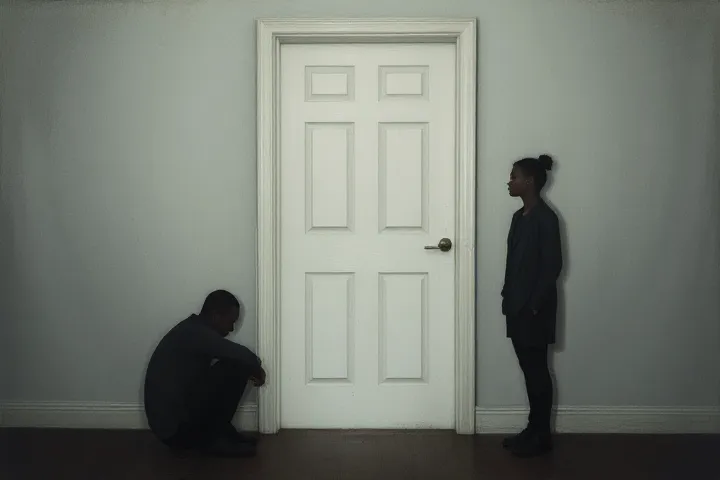
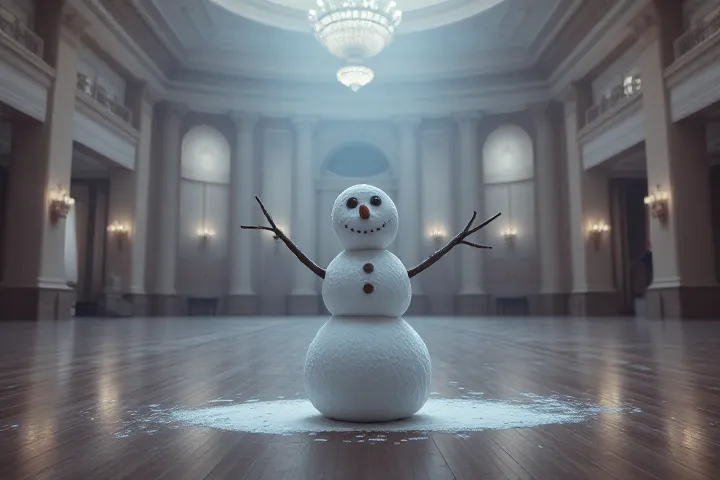
It begins with a simple, hopeful question whispered through a keyhole. For millions around the world, the opening notes of “Do You Want to Build a Snowman?” are instantly recognizable, conjuring images of two young sisters and a closed door. More than just a song from Disney’s mega-hit *Frozen*, this seemingly sweet tune is a masterclass in musical storytelling, a heartbreaking and poignant anthem that masterfully condenses a decade of loneliness and longing into three minutes. This guide explores the narrative genius, emotional depth, and cultural significance of the song that truly defines the heart of the film.
More Than a Question: The Song’s Central Role in *Frozen*
While “Let It Go” became the film’s explosive power ballad, “Do You Want to Build a Snowman?” serves as its narrative and emotional anchor. It’s the song that establishes the core conflict of the entire story: the painful separation between Anna and Elsa. It accomplishes in one musical number what might otherwise have taken twenty minutes of dialogue and exposition. The song isn’t just a scene; it’s a time-lapse of a relationship fracturing, making the sisters’ eventual reunion all the more powerful.
A Narrative in Three Acts: Analyzing the Lyrical and Musical Storytelling
The song’s brilliance lies in its structure, which unfolds like a three-act play. Each verse represents a different stage in the sisters’ lives, showcasing Anna’s persistent hope and the growing chasm between them. The vocal performances are key, with the singers changing to reflect Anna’s age and evolving emotional state.
Act I: Childhood Innocence and a Closed Door
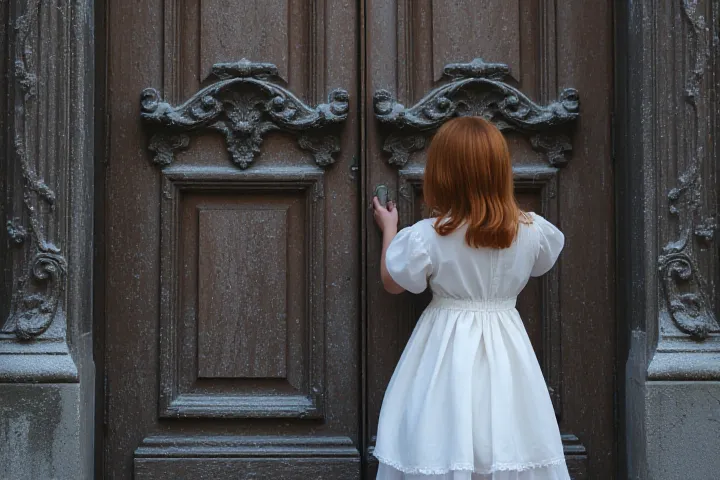
The song opens with the voice of five-year-old Anna (sung by co-songwriter Robert Lopez’s daughter, Katie Lopez), full of playful energy. The melody is simple and childlike as she tries to coax her sister out to play after the accident that forced them apart. The lyrics are pure, innocent invitations: “Come on, let’s go and play,” “We used to be best buddies, and now we’re not.” The silence from behind Elsa’s door is the only reply, establishing the new, painful reality of their childhood.
Act II: Teenage Isolation and Fading Hope
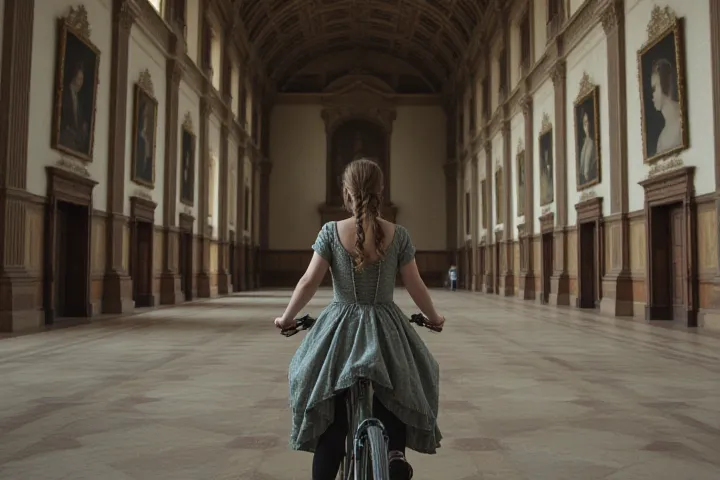
A time jump brings us to nine-year-old Anna (voiced by Agatha Lee Monn). The melody is the same, but her voice is tinged with a bit more melancholy and boredom. She’s still knocking, but her attempts are less energetic, more resigned. She talks to the pictures on the walls and rides her bike through the empty halls, painting a vivid picture of a lonely childhood. This section masterfully conveys the passage of years and the monotonous ache of her isolation.
Act III: Grief, Loss, and a Final Plea
The final act, sung by a grown-up Anna (Kristen Bell), is a masterpiece of emotional storytelling. The music shifts to a somber, minor key as we see the sisters mourning the death of their parents. Anna stands before Elsa’s door one last time, her voice filled with desperation and grief. The line, “Please, I know you’re in there,” is no longer a playful request but a desperate plea for connection in the face of immense loss. The song ends with her walking away, finally defeated, solidifying the emotional stakes for the rest of the film.
The Minds Behind the Music: Kristen Anderson-Lopez and Robert Lopez
The emotional weight of the song is a testament to the genius of its Oscar-winning songwriters, Kristen Anderson-Lopez and Robert Lopez. This powerhouse duo is renowned for their ability to weave intricate stories into music, with credits including *Coco*’s “Remember Me” and Marvel’s *WandaVision*. Their work on the Frozen soundtrack, as detailed in interviews in publications like Billboard, was central to the film’s success, with this particular song being a key piece they fought to keep in the final cut.
A Practical Example: The Song as a Tool in Child Psychology
The song’s clear emotional arc has made it a useful tool for parents, educators, and even therapists. A child psychologist might use the song to help a young client talk about feelings of loneliness or sadness. For instance, a therapist could ask, “How do you think Anna feels when Elsa won’t open the door?” This allows the child to explore complex emotions like rejection and longing through the safe and relatable lens of a beloved character. Reputable child development resources, like those published by Psychology Today, often highlight the value of using media to facilitate such conversations.
Expert Insight: The Power of the “I Want” Song in Musical Theatre
Dr. Alistair Finch, a Professor of Musical Theatre History at NYU’s Tisch School of the Arts, analyzes the song’s structure: “In musical theatre, we have what’s called the ‘I Want’ song, where the protagonist sings about their deepest desires. ‘Do You Want to Build a Snowman?’ is a brilliant, deconstructed version of this. It’s an ‘I Want’ song that repeats over a decade, showing how that desire evolves from a simple wish to play into a desperate need for family and connection. It’s structurally unique and emotionally devastating.”
Care, Caution, and Recommendations
For parents and caregivers, it’s important to recognize the profound emotional themes within the song. While it is from a family film, its depiction of loneliness, parental death, and sibling separation can be very affecting for children. Use the song as an opportunity to have open conversations. Ask your children how the song makes them feel and be prepared to discuss these heavier topics in an age-appropriate way. Acknowledging the sadness is just as important as enjoying the film’s more joyful moments.
Alert: The final verse of “Do You Want to Build a Snowman?” directly addresses the death of Anna and Elsa’s parents. This moment can be unexpectedly intense for young viewers and may be their first exposure to the concept of parental loss in media. Be prepared for potential questions about death and grief that may arise after hearing the song.
Further information about the film’s production and cast can be found on its official Disney movie page and entertainment databases like IMDb.
The Song’s Place in the Pantheon of Disney Music
“Do You Want to Build a Snowman?” exists in a fascinating relationship with its more famous counterpart, “Let It Go.” While “Let It Go” is an explosive anthem of individual empowerment and freedom, “Snowman” is its emotional opposite. It is a quiet, persistent ballad about the deep human need for connection and togetherness. Without the profound sense of loss and isolation established in “Do You Want to Build a Snowman?”, Elsa’s eventual reunion with Anna at the film’s climax would not carry nearly as much weight.
Frequently Asked Questions (FAQ)
Who wrote “Do You Want to Build a Snowman?”?
The song was written by the husband-and-wife duo Kristen Anderson-Lopez and Robert Lopez, who wrote the entire Oscar-winning soundtrack for Disney’s *Frozen*.
What is the song really about?
The song is about the growing emotional and physical distance between sisters Anna and Elsa. It chronicles Anna’s persistent attempts to connect with her sister over many years, capturing her feelings of loneliness, confusion, and ultimately, grief.
Who sings the song in the movie?
The song features three different vocalists to portray Anna at different ages: Katie Lopez (as 5-year-old Anna), Agatha Lee Monn (as 9-year-old Anna), and Kristen Bell (as teenage/young adult Anna).
Why was this song so emotionally effective?
Its effectiveness comes from its time-lapse structure, which shows the audience a decade of loneliness in just three minutes. The shift in music from playful to melancholic, combined with the changing vocal performances, creates a powerful and heartbreaking narrative arc.
Ultimately, “Do You Want to Build a Snowman?” is far more than a simple question. It is a poignant summary of a fractured childhood and a testament to the enduring power of sisterly love. It’s a quiet masterpiece that provides the emotional foundation for the entire *Frozen* saga, reminding us that sometimes the most powerful stories are not the loud anthems, but the soft, persistent knocks on a closed door.