Your guide to the So You Think You Can Dance phenomenon
For nearly two decades, the question “So You Think You Can Dance?” has been more than just a title; it’s been a challenge, an invitation, and a cultural touchstone. This groundbreaking television show transformed dance from a niche art form into a primetime spectacle, captivating millions with its display of breathtaking athleticism and raw emotional power. Whether you are an aspiring dancer dreaming of the stage or a loyal fan, this guide will serve as your ultimate resource, exploring the history, format, and enduring legacy of So You Think You Can Dance and its revolutionary impact on the world of entertainment.
More Than a Competition: The Cultural Impact of SYTYCD
Before *So You Think You Can Dance* (often abbreviated as SYTYCD), dance on television was largely limited to background performers or variety acts. SYTYCD placed the dancers front and center, celebrating them as artists and athletes. The show’s format educated a global audience on the nuances of different genres, from contemporary and ballroom to hip-hop and jazz. It elevated choreographers to celebrity status and, most importantly, launched the careers of countless dancers, proving that a life in dance could be a viable, mainstream profession.
The Journey to “America’s Favorite Dancer”: The Show’s Format Explained
The path to victory on So You Think You Can Dance is a grueling marathon designed to test a dancer’s skill, versatility, and resilience. The competition unfolds in several distinct, high-stakes phases.
The Open Auditions: The Search for Raw Talent
The journey begins with a multi-city audition tour, where thousands of hopefuls perform in their signature styles for a panel of judges, famously led for many seasons by creator Nigel Lythgoe. Dancers who impress receive a “ticket to Vegas” or, in later seasons, a ticket to “The Academy” or “The Callbacks,” advancing them to the next, more demanding round.
The Grueling Choreography Round (“The Callbacks”)
This is where the true test of versatility begins. Dancers are thrown into a dance boot camp where they must quickly learn and perform routines in genres far outside their comfort zones. A ballet dancer might have to learn hip-hop, while a b-boy tackles a contemporary piece. This phase is designed to weed out those who are merely specialists and identify the most adaptable and charismatic performers.
The Live Shows: Partnering Up and Facing the Vote
The small group of dancers who survive the callbacks advance to the live shows. Here, they are paired with a partner and each week must perform routines in randomly assigned styles, created by some of the world’s top choreographers. After each performance, the public votes for their favorite dancers. Each week, the contestants with the fewest votes are at risk of elimination until a single winner is crowned “America’s Favorite Dancer.”
The Pillars of the Show: Key Figures and Dance Styles
The success of SYTYCD rests on its incredible talent, both in front of and behind the camera, and its commitment to showcasing a wide array of dance genres.
The Judges and Host
The show’s consistency has been anchored by key figures like creator and judge Nigel Lythgoe and the ever-charismatic host, Cat Deeley, who has been nominated for multiple Emmy Awards for her role. Over the years, the judging panel has featured a rotating cast of dance royalty and entertainment icons, including Mary Murphy, Adam Shankman, and beloved alumni like Stephen “tWitch” Boss. Information on the show’s extensive cast and crew can be found on industry databases like IMDb.
A Melting Pot of Dance Styles
One of the show’s greatest contributions, as detailed in publications like Dance Magazine, is its presentation of a diverse dance curriculum to a mass audience. A typical season might feature routines in:
- Contemporary
- Jazz
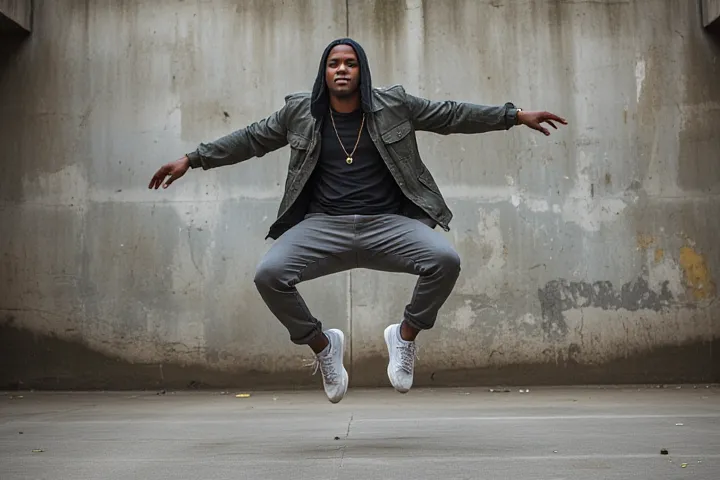
- Hip-Hop (including various sub-genres like krump, popping, and breaking)
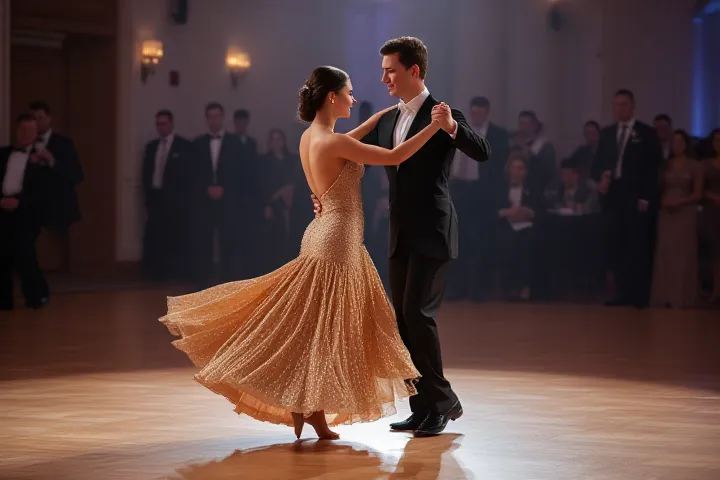
- Ballroom (Cha-Cha, Samba, Paso Doble, etc.)
- Broadway/Musical Theatre
- Tap
A Practical Example: The Journey of a Fictional Contestant
Imagine Elara, a 19-year-old contemporary dancer from a small town in Ohio. After years of training, she is one of thousands who audition in Chicago. She earns her ticket to The Callbacks, where she struggles through the hip-hop round but shines in the contemporary choreography, securing a spot in the Top 20. During the live shows, she is paired with a ballroom dancer and is challenged with a fast-paced Jive in her first week. As the weeks progress, her emotional performances and growing versatility earn her a loyal following, and she ultimately makes it to the final four, launching her professional career with a spot on the SYTYCD national tour.
Expert Insight: The Show’s Role in a Dancer’s Career
Javier Rojas, a renowned choreographer and former judge on an international dance competition, speaks to the show’s influence: “SYTYCD created an entirely new career path. Before, a concert dancer’s goal was a prestigious company. This show created a platform for dancers to become household names, to be seen as individual artists. It democratized the art form, bringing the technical brilliance of a pas de deux and the raw power of krump into the living room, inspiring a new generation to see dance as both an art and a sport.”
Care, Caution, and Recommendations
For aspiring dancers inspired by the show, it’s important to understand the reality behind the television production. The intense schedule and physical demands put contestants at high risk for injury. A successful career in dance is built on years of consistent, safe training, not just a few weeks on a reality show. Contestants must possess not only immense talent but also incredible mental and emotional fortitude to handle the high-pressure environment and public scrutiny.
Alert: The television contract for a show like ‘So You Think You Can Dance’ is a complex and binding legal document. It often includes long-term commitments for tours, appearances, and a percentage of future earnings. As advised by entertainment lawyers and industry resources like Variety, it is crucial for any potential contestant to have the contract thoroughly reviewed by an experienced entertainment lawyer before signing.
Exploring the show’s history on its official network homes, like Fox, can provide further context on its production and evolution.
The Legacy of So You Think You Can Dance
The show’s legacy is measured in the dozens of successful careers it has launched. Alumni like Travis Wall, Allison Holker, and Alex Wong have become Emmy-winning choreographers and stars of stage and screen. As detailed in retrospectives by major publications like The New York Times, the show’s greatest legacy may be its profound impact on dance education and appreciation across the country. It has undeniably left an indelible mark on popular culture.
Frequently Asked Questions (FAQ)
What is the prize for winning “So You Think You Can Dance”?
The prize package varies by season but typically includes a cash prize (often around $100,000 to $250,000 USD), the cover of a dance magazine, and the coveted title of “America’s Favorite Dancer.”
Can anyone audition for the show? What are the requirements?
Auditions are open to dancers who are U.S. citizens or legal permanent residents. There is an age requirement, typically between 18 and 30. Contestants can be trained dancers or street dancers, but they must be of a high technical or performance caliber.
Who are some of the most famous dancers from the show?
Many dancers have gone on to incredible careers, including Stephen “tWitch” Boss (host and TV personality), Travis Wall (Emmy-winning choreographer), Allison Holker (choreographer and TV personality), and Jeanine Mason (actress and Season 5 winner).
Is the show still on the air?
Yes, “So You Think You Can Dance” has been on the air for numerous seasons. While it has taken occasional breaks and changed networks, it has consistently returned due to its dedicated fan base.
So, the next time someone asks, “Do you think you can dance?”, the answer involves more than just talent. It’s about versatility, heart, and the resilience to survive one of the most demanding competitions on television. So You Think You Can Dance remains more than a reality show; it is a vibrant, ongoing celebration of an art form, a testament to the power of movement, and a platform that continues to shape the future of dance.