The Muffin Man a cultural time capsule in a song
“Do you know the Muffin Man, the Muffin Man, the Muffin Man?” For generations, this simple, catchy question has echoed in schoolyards and homes, a staple of childhood sing-alongs. But behind the simple melody lies a fascinating glimpse into a bygone era. The story of The Muffin Man is more than just a nursery rhyme; it’s a cultural time capsule that transports us to the bustling, noisy streets of Victorian England. This guide will explore the origins, meaning, and enduring legacy of this beloved children’s song, revealing the real history behind the famous resident of Drury Lane.
More Than a Simple Song: The Enduring Appeal of the Rhyme
The enduring popularity of “The Muffin Man” lies in its simplicity and interactive nature. The call-and-response format is easy for young children to learn, encouraging participation and social engagement. It’s a song, a game, and a piece of folklore all rolled into one. This interactive quality has allowed it to be passed down orally from generation to generation, long before it was ever written down, cementing its place as a cornerstone of children’s culture.

The Lyrics and The Game: How We Know “The Muffin Man”
While slight variations exist, the rhyme is known for its repetitive and memorable structure. This structure is not just for entertainment; it’s a key part of the singing game that accompanies the tune.
The Classic Lyrics
The most common version of the song follows a simple, conversational pattern:
- Question: “Oh, do you know the Muffin Man, / The Muffin Man, the Muffin Man? / Oh, do you know the Muffin Man, / Who lives on Drury Lane?”
- Answer: “Oh, yes, I know the Muffin Man, / The Muffin Man, the Muffin Man, / Oh, yes, I know the Muffin Man, / Who lives on Drury Lane.”
The Singing Game and Its Variations
The rhyme is traditionally played as a circle or call-and-response game. One child starts by singing the question to another. That child sings the answer and then sings the question to a third child. The game continues, often with increasing speed, until everyone in the group has participated. This format makes it an excellent tool for teaching memory, rhythm, and social turn-taking.
Peeling Back the Layers: The Historical Origins
To truly understand the rhyme, we must look back to 19th-century England, the time and place where The Muffin Man was a real and familiar figure. The song was first documented in a British manuscript around 1820, solidifying its place in the historical record.
Who Was the Real Muffin Man? A Look at Victorian Street Vendors
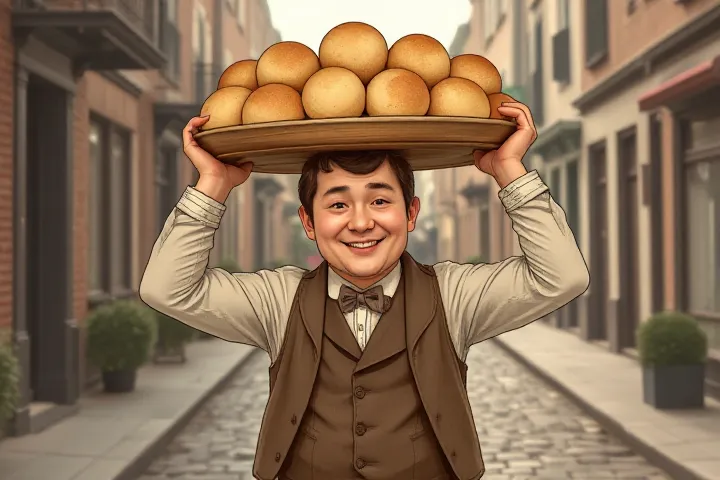
In the 1800s, before supermarkets and corner stores, much of the food for city dwellers was provided by street vendors. These sellers, or “costermongers,” sold everything from oysters to pies. The Muffin Man was one such vendor, a common sight on the streets of London. He would carry a large tray of muffins on his head, ringing a bell to announce his arrival in a neighborhood. This is why the song asks, “Do you know him?”—he was a local figure, a part of the daily rhythm of life. The muffins he sold were not the sweet, cake-like American muffins of today. They were a flatter, yeast-leavened bread, more akin to what we now call an English muffin. As documented by resources on English culinary history, like those archived by The British Library, these muffins were a cheap, staple food for many working-class families.
What is Drury Lane? The Famous London Street
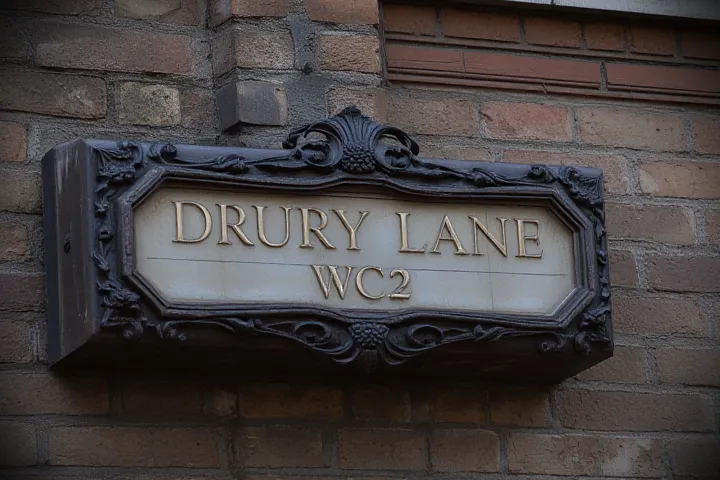
Drury Lane is not a fictional place; it is a very real street in Covent Garden, London. Today, it’s famous for being the heart of the West End Theatre District, home to the Theatre Royal, Drury Lane. However, as noted in historical records like the Encyclopedia Britannica’s entries on London, in the 19th century, the area had a much grittier reputation. It was a poor, overcrowded residential district. Placing the Muffin Man on Drury Lane grounds the rhyme in a real, working-class location, making it a genuine slice of life from that period.
A Practical Example: The Rhyme in a Modern Preschool Setting
Imagine a preschool classroom in Austin, Texas. The teacher, Ms. Davis, gathers her group of four-year-olds in a circle on the rug. To help them learn each other’s names and practice social skills, she starts a game of “The Muffin Man.” She sings the first verse to a little boy named Sam. Sam, giggling, sings the answer back and then turns to his friend Maya to sing the question. The simple game engages the children, teaches call-and-response, and reinforces memory, demonstrating the rhyme’s timeless value as an educational tool, a practice supported by early childhood education resources available through institutions like the Library of Congress.
Expert Insight: Nursery Rhymes as Cultural Time Capsules
Dr. Eleanor Vance, a folklorist and professor of Children’s Literature with over 30 years of research experience, explains the rhyme’s significance: “Nursery rhymes like ‘The Muffin Man’ are invaluable cultural time capsules. They preserve snapshots of a world that has long vanished—the language, the occupations, the social structures. The Muffin Man wasn’t just a baker; he was part of a mobile food economy essential to urban life. The song captures this everyday reality and preserves it in a form that is both simple and incredibly resilient.”
Care, Caution, and Recommendations
When exploring the history of nursery rhymes, it’s important to approach them with a critical and informed perspective. The internet is filled with theories about the “dark meanings” of these rhymes. While some rhymes do have political or satirical origins, many, like “The Muffin Man,” are quite literal. It is best to rely on documented historical evidence from reputable academic and cultural sources rather than unsubstantiated online theories. Enjoy the rhyme for its charming simplicity while appreciating the fascinating historical context it represents.
Alert: Be cautious of viral articles or videos claiming a sinister “true meaning” of “The Muffin Man,” often linking him to a serial killer or other dark figures. There is no historical evidence from folklore archives or academic sources like those found in Project Gutenberg to support these dark theories; they are modern fabrications that detract from the rhyme’s authentic history.
Exploring the origins of classic food items, such as the English muffin, through culinary history resources like The Food Historian blog, can provide a richer, more accurate context than these sensationalized myths.
The Muffin Man in Popular Culture
The rhyme’s influence extends far beyond the playground. Its most famous modern appearance is in the 2001 animated film *Shrek*, where the character Gingy is interrogated about the Muffin Man’s whereabouts. This memorable scene introduced the rhyme to a new generation and cemented its status as a widely recognized piece of cultural shorthand.

Frequently Asked Questions (FAQ)
What are the full lyrics to “The Muffin Man”?
The most common lyrics are a simple call and response: “Oh, do you know the Muffin Man, who lives on Drury Lane?” followed by the answer, “Oh, yes, I know the Muffin Man, who lives on Drury Lane.”
Is Drury Lane a real place?
Yes, Drury Lane is a real street in the Covent Garden area of London, England. Today it is most famous for its theatres, particularly the Theatre Royal, Drury Lane.
Was the Muffin Man a real person?
He was not one specific person but a type of common street vendor in 19th-century England. Muffin men would deliver fresh English muffins door-to-door, making them a familiar figure in many neighborhoods.
Is there a dark or hidden meaning behind the rhyme?
Despite many online rumors, there is no historical evidence to support any sinister meaning. The rhyme is widely accepted by folklorists as a literal song about a local food vendor.
So, the next time you hear that familiar tune, you’ll know you’re hearing more than just a song. You’re hearing an echo from the past, a friendly greeting from The Muffin Man who once walked the cobblestone streets of London. This simple rhyme serves as a powerful reminder that history is not just found in books, but is kept alive in the songs we teach our children.