

The magic of music and the meaning of a classic song
In the summer of 1965, The Lovin’ Spoonful released a song with a question so simple, yet so profound, it has echoed through the decades: “Do You Believe in Magic?” The track, with its infectiously joyful Autoharp riff and exuberant vocals, became an anthem for a generation. But to fully understand the Do You Believe in Magic meaning is to look beyond the cheerful melody and explore the powerful intersection of music, belief, and the human psyche. The song wasn’t just asking about supernatural forces; it was making a bold declaration about where true magic can be found—in the power of a song.
The Story Behind the Song: The Lovin’ Spoonful’s Anthem of Joy
To grasp the song’s intent, one must understand the context of its creation. The Lovin’ Spoonful, fronted by songwriter John Sebastian, emerged in the mid-1960s with a unique sound that blended American folk traditions with the energy of rock and roll. This “good-time music,” as it was often called, was a stark contrast to the more polished British Invasion sound dominating the charts. Their music was handmade, authentic, and radiated a pure, unadulterated happiness.
A New Sound for a New Generation
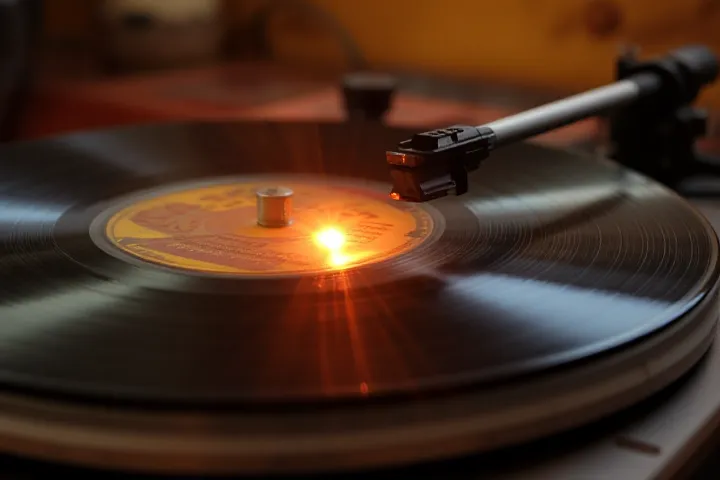
John Sebastian wrote “Do You Believe in Magic?” as a mission statement. As detailed in the annals of music history, like those celebrated by the Rock & Roll Hall of Fame, the band wanted to create music that gave listeners the same incredible feeling they got from their own favorite records. The song explicitly references the joy of listening to music, from the thump of the record player to the freedom of dancing. It was a love letter to the art form itself, celebrating its ability to transform a listener’s mood instantly.
The “Magic” in the Music Itself
The lyrics make it clear that the “magic” is not about wizards or spells. It’s about the tangible, physical, and emotional effect of music. When Sebastian sings, “Believe in the magic of a young girl’s soul, believe in the magic that can make you whole,” he’s talking about the profound, almost spiritual connection that music creates. The magic is in the harmony that soothes you, the rhythm that moves you, and the shared experience that can make a lonely room feel full. It’s the idea that a simple three-minute song can change your entire day.

Beyond the Song: What Does It Mean to Believe in Magic Today?
The Lovin’ Spoonful’s question is perhaps more relevant now than ever. In a world often dominated by data, logic, and cynicism, the concept of “magic” can feel childish. But if we redefine it away from the supernatural, we find it all around us. Believing in magic today is about cultivating a capacity for wonder and recognizing the extraordinary in the ordinary.
Magic as Wonder and Awe
Modern psychology has begun to seriously study the emotion of “awe”—the feeling we get when encountering something vast, beautiful, or powerful that challenges our understanding of the world. Research from institutions like UC Berkeley’s Greater Good Science Center suggests that experiencing awe can make us more generous, less stressed, and more connected to the world around us. Believing in magic, in this sense, is about being open to experiencing awe, whether it’s from a stunning sunset, a piece of art, or a perfectly crafted song.
Magic as Serendipity and Connection
Magic can also be found in moments of serendipity and synchronicity—those uncanny coincidences and unexpected connections that feel too perfect to be random. It’s running into an old friend in a foreign city or finding the perfect book at the exact moment you need its message. These events aren’t supernatural, but acknowledging their “magical” quality allows us to see the world as a more interconnected and meaningful place.
The Psychology of Belief: Why Our Brains Are Wired for Magic
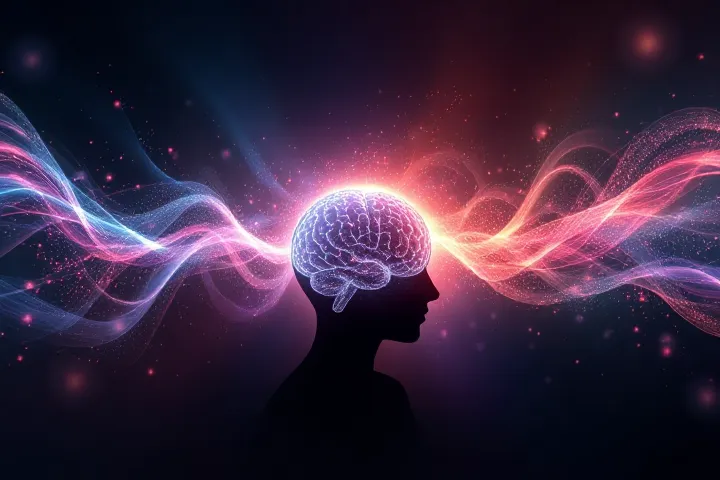
Our attraction to the idea of magic is not just a cultural phenomenon; it’s deeply rooted in our psychology. The human brain is a pattern-finding machine, constantly seeking meaning and causality in the world. This evolutionary trait helped our ancestors survive, but it also primes us to see intention and wonder in events we can’t immediately explain. Believing in a little magic can be a powerful cognitive tool for fostering optimism and resilience. It allows for a sense of possibility beyond the strictly predictable, which can be a vital source of hope in difficult times.
Expert Insight: A Neuroscientist on Music and Emotion
“The feeling the song describes as ‘magic’ is a genuine neurochemical event,” explains Dr. Anya Sharma, a fictional neuroscientist with a focus on music cognition. “When we listen to music we love, our brains release dopamine, the same neurotransmitter associated with pleasure, reward, and even addiction. The right combination of melody, harmony, and rhythm can bypass our rational prefrontal cortex and tap directly into the limbic system, the ancient, emotional part of our brain.” As real-world studies published in journals covered by resources like Psychology Today have shown, music can measurably alter our mood, reduce pain, and create powerful feelings of connection. “So, when The Lovin’ Spoonful asks if you believe in magic,” Dr. Sharma concludes, “science would say you absolutely should—because your brain is already creating it.”
A Word of Caution and Recommendations
It’s important to differentiate between a healthy belief in “magic” as wonder and a reliance on magical thinking that can be harmful. Believing in serendipity is one thing; making critical life decisions based on superstitions or ignoring evidence is another. The key is balance. It is recommended to embrace the unknown and the wonderful without abandoning critical thinking. A practical application is to keep a “wonder journal.” A small business owner might invest a nominal amount, say $200, in journals for their team, encouraging them to jot down moments of unexpected success or happy coincidences. This practice can boost morale and creativity by focusing on the positive and “magical” aspects of work.
Alert: While embracing the “magic” of life can foster optimism, attributing all achievements to external, magical forces can undermine your sense of personal agency and discount the real effort and skill involved in your successes.
By consciously looking for these moments of wonder, we can cultivate a richer, more fulfilling perspective on life. This journey starts by asking the question and being open to the answer, a sentiment you can explore in interviews with the songwriter, John Sebastian himself.
Frequently Asked Questions (FAQ)
What is the song “Do You Believe in Magic?” really about?
The song is about the powerful, transformative “magic” of music itself. It celebrates music’s ability to create joy, bring people together, and make the listener feel whole, equating this emotional experience to a real and accessible form of magic.
Who wrote “Do You Believe in Magic?”?
The song was written by John Sebastian, the lead singer and principal songwriter of the 1960s folk-rock band The Lovin’ Spoonful. It was one of their first and most iconic hits, establishing their signature “good-time music” sound.
Is “magic” in the song about supernatural spells?
No, the magic described in the song is not about witchcraft or supernatural events. It’s a metaphor for the powerful, positive, and often inexplicable feeling that listening to music can evoke in a person.
How does music create a feeling of magic?
From a scientific perspective, music can trigger the release of dopamine in the brain, a powerful neurotransmitter associated with pleasure and reward. This neurochemical reaction creates strong feelings of happiness and euphoria that can feel magical.
Can you believe in magic without being superstitious?
Absolutely. Believing in “magic” in a modern sense means being open to awe, wonder, and serendipity in everyday life. It’s about appreciating mysterious and beautiful moments without attributing them to supernatural forces or abandoning rational thought, a concept often explored in the field of positive psychology and covered by institutions like the American Psychological Association.
So, do you believe in magic? The Lovin’ Spoonful’s joyful anthem suggests the answer lies not in ancient books or fantasy worlds, but right between your headphones. The Do You Believe in Magic meaning is an invitation to recognize that music, connection, and a simple sense of wonder are the most powerful spells we have. All you have to do is listen.