Hawaii’s entry requirements a simple guide
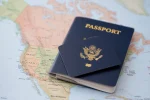
The Hawaiian Islands, with their volcanic peaks, lush rainforests, and world-renowned beaches, represent a dream destination for many. But their remote location in the middle of the Pacific Ocean often leads to a common point of confusion for American travelers: do you need a passport to go to Hawaii? Let’s clear this up definitively: for U.S. citizens, the answer is a simple and resounding no. However, understanding why this is the case, what identification you actually need, and the special rules that do apply is key to a seamless and stress-free trip. This comprehensive guide will walk you through all the official requirements for your journey to the Aloha State.
The Simple Answer: Hawaii is a U.S. State
The fundamental reason you do not need a passport to travel to Hawaii is that it is not an international destination for Americans. Hawaii became the 50th state of the United States in 1959. Therefore, any flight from the U.S. mainland (e.g., from Los Angeles, Chicago, or New York) to any of the Hawaiian Islands (like Oahu, Maui, or Kauai) is considered a domestic flight.
Understanding Domestic Travel to the 50th State
Think of it this way: flying from California to Hawaii is, from a legal and documentation standpoint, exactly the same as flying from California to Texas. You are traveling between two U.S. states and at no point are you leaving the country. This simple fact is the cornerstone of all travel requirements for U.S. citizens heading to the islands.
No Customs, No Immigration, No Hassle
Because it is a domestic trip, you will not go through U.S. Customs or Immigration upon arrival in Hawaii from the mainland, nor will you do so upon your return. The entire process is the same as any other domestic flight you have ever taken. You will deplane, collect your baggage, and begin your vacation without any of the formalities associated with international travel.

The Identification You Actually Need to Fly to Hawaii
While a passport is not required, you absolutely will need a valid form of government-issued photo identification to pass through airport security and board your flight. This is a requirement for all domestic air travel within the United States.
TSA Requirements for Domestic Air Travel
The Transportation Security Administration (TSA) requires all travelers 18 years of age and older to show a valid photo ID at the security checkpoint. Acceptable forms of identification include:
- A state-issued driver’s license or photo ID card.
- A U.S. passport or U.S. passport card.
- A DHS trusted traveler card (Global Entry, NEXUS, SENTRI).
- A U.S. Department of Defense ID.
The REAL ID Act and Your Trip to Hawaii
It is crucial for all domestic travelers to be aware of the REAL ID Act. This federal law requires all states to meet minimum security standards for their ID cards. The enforcement deadline is May 7, 2025. After this date, every U.S. traveler will need a REAL ID-compliant license (usually marked with a star) or another acceptable form of ID, like a passport, to fly anywhere in the U.S., including Hawaii. You can check your state’s compliance on the Department of Homeland Security website.
Travel Requirements for Non-U.S. Citizens
For visitors who are not U.S. citizens, the rules are different. Since you are traveling within the United States, you must carry the documents that prove your legal status in the country.
Lawful Permanent Residents (Green Card Holders)
If you are a Lawful Permanent Resident, you do not need a passport from your home country for direct travel between the U.S. mainland and Hawaii. As advised by U.S. Citizenship and Immigration Services (USCIS), you should carry your valid Permanent Resident Card (Form I-551 or “Green Card”) at all times, and this will serve as your identification for travel.
International Visitors and Visa Holders
For international tourists, students, or workers who are in the United States on a visa or under the Visa Waiver Program (ESTA), travel to Hawaii is permitted. However, you must carry your valid foreign passport and all documentation related to your legal status in the U.S. (such as your visa or I-94 record). This is a standard U.S. Customs and Border Protection (CBP) requirement for all foreign nationals within the country.
A Practical Example: The Smith Family’s Trip to Maui
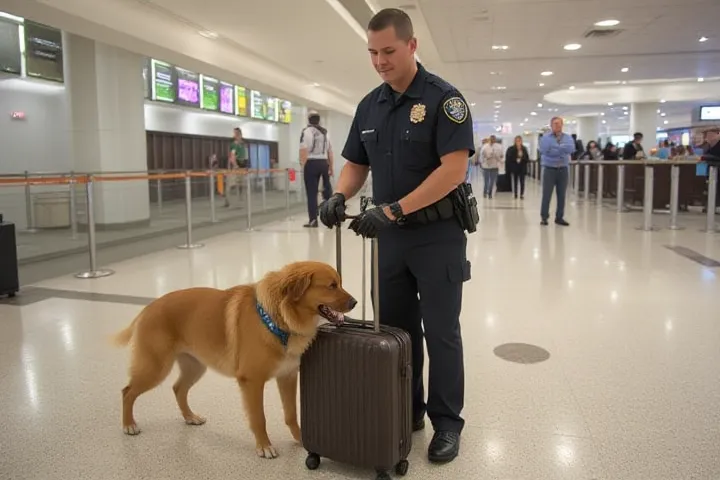
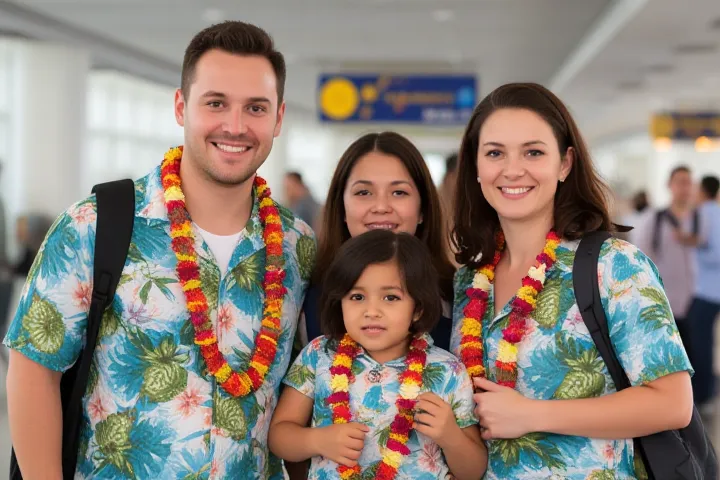
The Smith family from Denver is flying to Maui for a vacation. At the Denver airport, Mr. and Mrs. Smith use their REAL ID-compliant Colorado driver’s licenses to get through TSA security. Their 15-year-old son is not required to show ID, but brings his school photo ID just in case. On the flight, they fill out a mandatory agricultural declaration form. Upon landing in Maui, they deplane and head straight to baggage claim, with no passport or customs check. Before leaving the airport, they pass a station where they must turn in their agricultural forms, and their checked baggage is briefly sniffed by a detector dog—a process that takes only a few minutes.
Expert Insight: A Travel Agent on Preparing for Hawaiian Travel
Leilani Kalua, owner of a Hawaiian travel agency for 30 years, clarifies the situation: “I get this question every single day. The first thing I tell my clients is to relax—Hawaii is a state, and your driver’s license is your key. A passport is not needed. However, the most important piece of ‘expert’ advice I give is to take the agricultural declaration form seriously. Our ecosystem is incredibly fragile and unique. Declaring everything is not just a rule; it’s a way of showing respect for the islands and helping us preserve their natural beauty.”
Care, Caution, and Recommendations
The most significant and unique aspect of traveling to Hawaii is the strict agricultural inspection. Hawaii’s isolated ecosystem is extremely vulnerable to invasive species and diseases from the mainland. To protect it, the Hawaii Department of Agriculture has stringent rules.
- Declare Everything: You will be required to fill out a declaration form on your flight. Be honest and declare any plants, animals, or fresh produce you are bringing with you.
- Prohibited Items: Most fresh fruits and vegetables are prohibited to prevent the introduction of fruit flies and other pests. It is best to simply not pack any fresh produce from home.
- Inspection on Arrival: All luggage is subject to inspection upon arrival. Be prepared for a quick screening process at the airport before you can leave.
Alert: All baggage, including all carry-on bags, is subject to inspection upon arrival in Hawaii by the Hawaii Department of Agriculture. Failure to declare plants, animals, and fresh produce can result in confiscation and significant fines. Do not bring fresh fruits or vegetables from the mainland to avoid any issues.
Following these simple rules helps protect the beautiful environment you are about to enjoy.

Frequently Asked Questions (FAQ)
Why don’t I need a passport to go to Hawaii if it’s so far away?
You do not need a passport because Hawaii is the 50th state of the U.S. Travel between states, no matter the distance, is considered domestic travel, not international.
Is a REAL ID required to fly to Hawaii?
Yes, beginning May 7, 2025, you will need a REAL ID-compliant driver’s license or another TSA-approved form of ID (like a passport book or card) to fly to Hawaii, just as with any other domestic U.S. flight.
What documents do my children need to fly to Hawaii?
U.S. citizens under 18 traveling with a companion are not required by the TSA to have a photo ID. However, it is always a good practice to carry some form of identification for them, such as a school ID or a copy of their birth certificate.
Are there any customs or inspections when I arrive?
There are no customs or immigration checks from the U.S. mainland. However, you and your luggage must go through a mandatory inspection by the Hawaii Department of Agriculture upon arrival to protect the islands’ ecosystem.
In the end, your journey to the Aloha State is one of the most accessible tropical vacations an American can take. You do not need a passport to go to Hawaii; you simply need the same valid photo ID you would use to fly to any other state. By ensuring your ID is compliant and by respecting the important agricultural rules designed to protect the islands, you can look forward to a simple, hassle-free journey to one of the most beautiful places in the United States.