

Your guide to the best essential tools for small business
Running a small business often means being the CEO, CFO, marketing director, and project manager all at once. This relentless juggling act can quickly lead to burnout and inefficiency. The solution isn’t to work harder, but to work smarter by leveraging technology. Adopting the right suite of essential tools for small business is no longer a luxury—it’s a fundamental requirement for survival and growth. These platforms act as force multipliers, automating tedious tasks, providing critical insights, and freeing you to focus on what truly matters: serving your customers and scaling your vision.
Why the Right Tools Are a Game-Changer, Not an Expense
Many entrepreneurs, especially in the early stages, hesitate to invest in software, viewing it as just another cost. This is a critical misconception. The right tools are an investment in efficiency, accuracy, and scalability. They replace chaotic spreadsheets, missed deadlines, and lost customer data with streamlined, automated workflows. As organizations like the U.S. Small Business Administration (SBA) highlight, embracing technology is key to competing in the modern economy. A well-chosen tech stack provides the operational backbone that allows a small team to perform with the impact of a much larger one.

Building Your Foundational Tech Stack: The Core Categories
Instead of randomly adopting apps, a strategic approach works best. Think of your business operations in terms of core functions. By finding a key tool for each area, you can build a powerful, integrated system that shares data and eliminates redundant work. Here are the non-negotiable categories for your small business software toolkit.
Financial Management: Clarity and Control
This is the bedrock of your business. Without a clear picture of your cash flow, you’re flying blind. Modern accounting software automates invoicing, expense tracking, payroll, and financial reporting, providing real-time insights into your company’s health.
- Top Tools: QuickBooks Online, Xero, and Wave (for freelancers/solopreneurs).
- Key Function: These platforms sync with your business bank accounts, categorize transactions, and make tax preparation infinitely simpler, a process strongly advocated for by small business mentors at organizations like SCORE.
Project Management & Operations: Streamlining Your Workflow
This is where chaos is tamed. Project management tools provide a central hub for all tasks, deadlines, and responsibilities. They ensure that everyone on the team knows what they need to do and when, preventing projects from falling through the cracks.
- Top Tools: Asana, Trello, and Monday.com.
- Key Function: They offer visual workflows (like Kanban boards or timelines), task assignments, and progress tracking. This transparency is crucial for improving productivity and hitting deadlines consistently.
Marketing & Sales: Reaching and Retaining Customers
You can have the best product in the world, but it’s useless if no one knows about it. A Customer Relationship Management (CRM) tool is central here, acting as your digital rolodex for all customer interactions. It’s often paired with email marketing and social media management platforms.
- Top Tools: HubSpot CRM (offers a robust free tier), Mailchimp, and Buffer.
- Key Function: A CRM tracks leads and customer data, while marketing platforms automate outreach, helping you nurture relationships and drive sales at scale. Many free tools, as highlighted by sources like FedEx’s small business center, can provide a powerful starting point.
Communication & Collaboration: Unifying Your Team
Effective communication is the glue that holds a business together, especially with the rise of remote work. These tools replace cluttered email inboxes with organized, real-time conversations, file sharing, and video conferencing.
- Top Tools: Slack, Microsoft Teams, and Google Workspace.
- Key Function: They create dedicated channels for projects or topics, making information easy to find and reducing the time wasted searching for old emails or files.
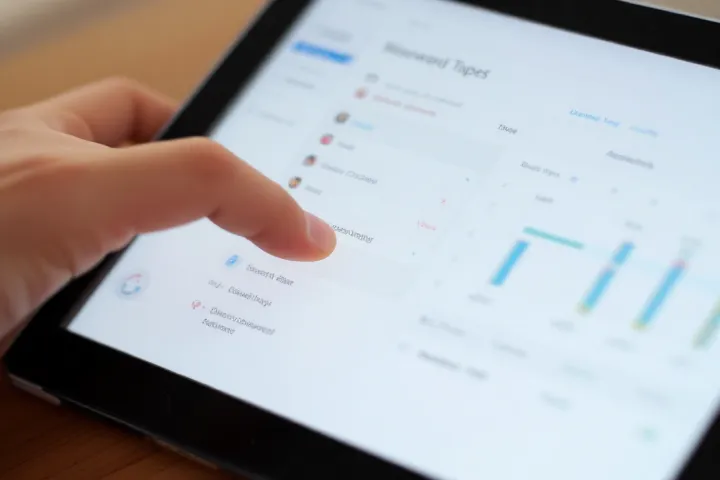
A Practical Example: A Startup’s First-Year Tech Stack
Let’s imagine “Verdant Designs,” a two-person landscape design startup. Initially, they managed projects via email and a shared spreadsheet. Quotes were made in Word, and invoices were tracked manually. After losing a lead and missing a deadline, they invested in a basic tech stack for a monthly cost of around $150. They chose QuickBooks Online for accounting, Asana for project tracking, HubSpot’s free CRM to manage client inquiries, and Google Workspace for email and file sharing. Within a year, they had hired their first employee, reduced administrative time by 10 hours per week, and increased their project completion rate by 25%. The small monthly investment paid for itself many times over in efficiency and growth.
Insight from a Business Operations Consultant
We spoke with Elena Rodriguez, a consultant who has spent over a decade helping startups build efficient systems. “The biggest mistake I see is ‘Shiny Object Syndrome’,” Elena explains. “Founders sign up for a dozen different ‘cool’ tools without a clear strategy. They end up with disconnected data silos and frustrated employees. One of the most important essential tools for small business isn’t a piece of software—it’s a clear map of your core processes. Identify your biggest bottleneck first, find a great tool to solve it, and then build outwards from there. Integration is everything.”
Care, Caution, and Recommendations
When selecting tools, it’s crucial to look beyond the feature list. Prioritize data security and ensure any platform you choose complies with relevant privacy regulations. Be cautious with “free” tools; they often come with limitations on data storage, user numbers, or support, and may sell your data. Always read the terms of service. Most importantly, budget time for implementation and training. A powerful tool is useless if your team doesn’t know how to use it effectively. Start with free trials whenever possible to test usability before committing financially.
Alert: Before you commit to any new software, verify its integration capabilities. A tool that cannot connect with your other key systems (like your accounting and CRM software) will create manual data-entry work, defeating the purpose of adopting it in the first place. Platforms like Zapier can help bridge gaps, but native integrations are always superior.
Taking the time to thoughtfully select and implement these core tools empowers you to build a resilient, scalable, and more profitable business. This proactive approach to your operational infrastructure allows you to focus on strategic growth rather than getting bogged down in daily administrative tasks.

Frequently Asked Questions (FAQ)
What is the most critical software for a brand-new business?
For most new businesses, accounting software is the first and most critical tool to implement. It provides the financial visibility needed to make sound decisions, manage cash flow, and stay compliant from day one. Without it, you are operating in the dark.
Are there any free tools that are actually good for a small business?
Yes, many companies offer powerful free-forever tiers. HubSpot CRM, Wave (for accounting), Trello (for project management), and Mailchimp (for email marketing) are excellent examples of robust free tools that can provide immense value as you’re starting out.
How do I choose the right accounting software?
Consider your business type, your comfort level with accounting, and scalability. A freelancer may only need Wave’s free invoicing, while a growing retail business will need QuickBooks’ inventory management and payroll features. Always consult with your accountant for their recommendation, a tip often suggested by business resources like Forbes Advisor.
What’s the difference between project management and a CRM tool?
A project management tool (like Asana) organizes internal tasks and workflows to deliver a product or service. A CRM (like HubSpot) organizes external interactions with leads and customers to manage your sales pipeline and client relationships.
Do I really need a paid social media scheduling tool?
For businesses just starting on one or two platforms, you may not. However, as you grow, a tool like Buffer or Hootsuite saves significant time by allowing you to schedule posts in bulk across multiple channels and analyze performance from a single dashboard.
Ultimately, investing in the right essential tools for small business is an investment in your own sanity and future success. By carefully selecting a foundational tech stack that automates, organizes, and provides insight, you create a robust framework that supports sustainable growth. For more guidance on business planning and technology, the SBA’s business plan guide offers an excellent starting point for structuring your operational needs.
Related posts:
 Incorporating Your Small Business: Advantages and Considerations
 Strengthening Business Integrity: The Role of Internal Control
 Crafting an Impactful Resume: Four Essential Steps
 Unlocking the Benefits: Incorporating a Company Offshore
 Mastering Leadership in Turbulent Times: Five Invaluable Strategies
 Maximize Your Consulting Income: Diversification Strategies for Success