
Your ultimate guide to easy car maintenance tips
A reliable vehicle isn’t a matter of luck; it’s the direct result of consistent care. For most people, a car is the second-largest investment they’ll make, yet its upkeep is often treated as an afterthought. Following a proactive schedule of expert car maintenance tips doesn’t just prevent inconvenient breakdowns—it’s a critical strategy for ensuring your safety, maximizing fuel efficiency, and extending the life of your vehicle. Neglecting simple checks can turn minor issues into catastrophic failures that leave you stranded and facing hefty repair bills.
Why Proactive Vehicle Maintenance is Non-Negotiable
Think of preventive auto care as a health plan for your car. You wouldn’t ignore symptoms of an illness, and you shouldn’t ignore the needs of your vehicle. Every mile you drive puts stress on various components, from the engine’s intricate parts to the rubber on your tires. Regular inspections and service address this wear and tear before it escalates. The benefits are clear: improved safety, enhanced performance and fuel economy, and a significantly higher resale value. A well-maintained car is a trustworthy car, ready for the daily commute or a cross-country road trip.

The Essential Car Maintenance Checklist for Every Driver
Mastering a few basic checks can empower you to take control of your car’s health. This isn’t about becoming a master mechanic overnight; it’s about building a routine that helps you spot potential problems early. This vehicle maintenance checklist covers the most critical areas that every car owner should monitor regularly.
Engine Oil and Fluids: The Lifeblood of Your Vehicle
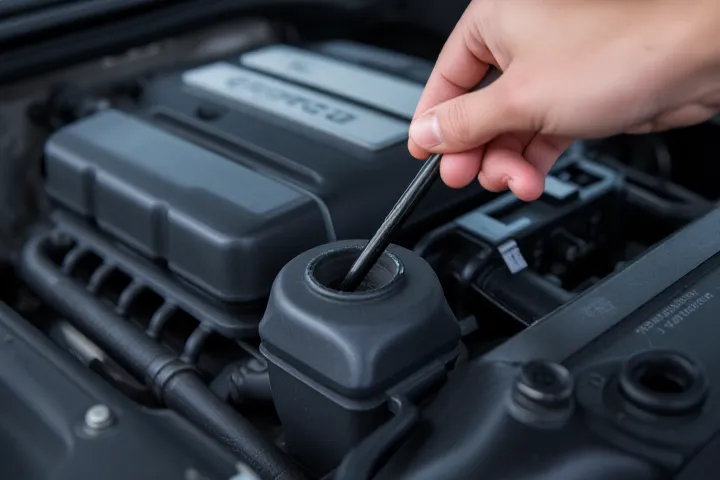
Your engine has hundreds of moving parts, and oil is the only thing preventing them from grinding into a useless pile of metal. It lubricates, cleans, and helps cool the engine.
- Check Your Oil Monthly: With the engine cool and the car on level ground, pull out the dipstick, wipe it clean, reinsert it fully, and pull it out again. The oil level should be between the ‘Full’ and ‘Add’ marks. If it’s low, top it up with the manufacturer-recommended grade of oil. Dark, gritty oil is a sign that you’re due for a change.
- Monitor Other Fluids: While you’re under the hood, check your coolant (in the overflow reservoir), power steering fluid, and brake fluid. These reservoirs are typically translucent with minimum and maximum level markings. According to guidance from agencies like the National Highway Traffic Safety Administration (NHTSA), keeping fluids at proper levels is crucial for safe vehicle operation.
Tires: Your Only Connection to the Road
Tires are arguably your car’s most important safety feature, yet they are frequently overlooked. Proper tire care is essential for grip, braking, and handling.
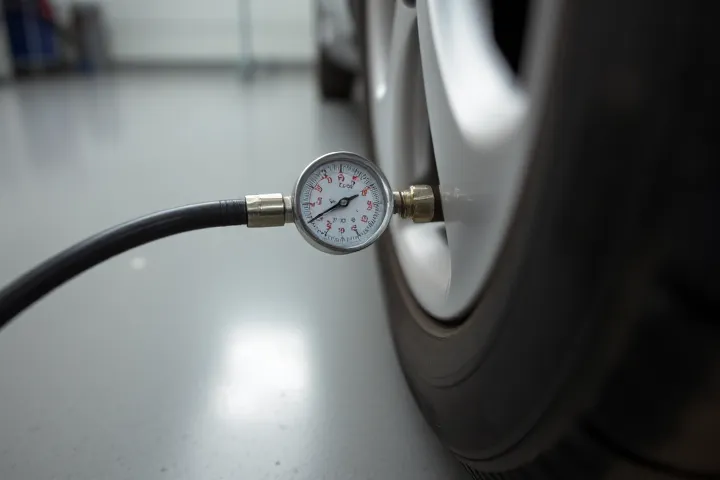
- Tire Pressure: Check the pressure monthly using a reliable gauge. The correct pressure (PSI) isn’t on the tire itself but on a sticker inside the driver’s doorjamb. Driving on underinflated tires ruins fuel economy and can lead to dangerous blowouts.
- Tread Depth: Adequate tread is necessary to channel water away and maintain grip. Use the penny test: place a penny with Lincoln’s head upside down in the tread. If you can see the top of his head, your tread is worn below 2/32 of an inch, and it’s time for new tires.
- Rotation: To ensure even wear, have your tires rotated every 5,000 to 7,500 miles. This simple step can significantly prolong their life.
Brakes: Your Most Critical Safety System
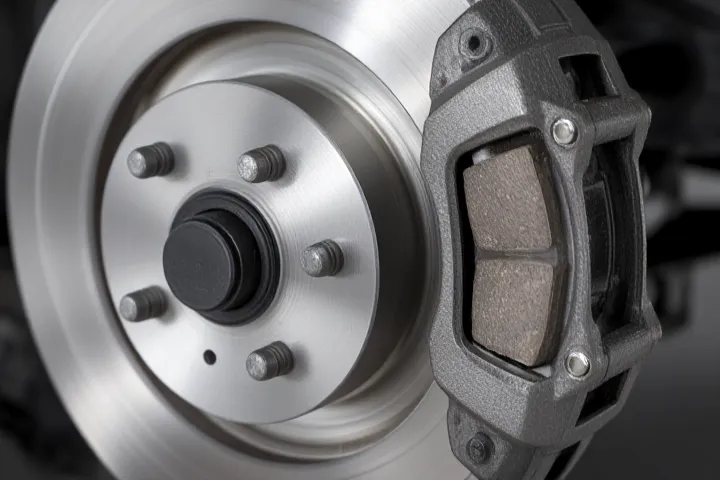
Your car’s ability to stop is non-negotiable. Pay close attention to how your brakes feel and sound. Warning signs include a squealing or grinding noise, a “spongy” or soft-feeling pedal, or the car pulling to one side when braking. These demand immediate attention from a professional. Regular brake maintenance, as outlined in official vehicle safety checklists from organizations like the Occupational Safety and Health Administration (OSHA) for fleet vehicles, is a cornerstone of road safety.
Battery and Electrics: Powering Your Journey
A dead battery is one of the most common causes of roadside assistance calls. Most car batteries last 3-5 years.
- Inspect the Terminals: Look for fuzzy, white or blueish corrosion on the battery terminals. This buildup can be cleaned with a wire brush and a baking soda/water solution, but be sure to wear gloves and eye protection.
- Watch for Slow Starts: If your engine seems to crank slower than usual when you start it, especially in cold weather, your battery may be nearing the end of its life. Get it tested before it fails completely.
Lights and Wipers: See and Be Seen
This is a simple but vital DIY car inspection. Once a month, have a friend help you walk around your car to check that all lights are working: headlights (low and high beams), taillights, brake lights, and turn signals. Replace burnt-out bulbs immediately. Also, inspect your wiper blades for cracks or stiffness. If they leave streaks on the windshield, it’s time for a new pair.
A Practical Example: How Preventive Care Saved a Road Trip
Consider the case of Alex, who was planning a 500-mile road trip. A week before leaving, he decided to follow a basic vehicle maintenance checklist. He discovered his front right tire was 10 PSI lower than the others. A closer look revealed a small nail embedded in the tread. A local tire shop repaired the puncture for about $30. Had Alex neglected this simple check, the heat and stress of highway driving could have easily turned that slow leak into a sudden blowout, potentially causing an accident and costing hundreds of dollars for a new tire, towing, and a ruined vacation. This micro-case illustrates how 15 minutes of prevention saved significant money and averted a major safety risk.
Insight from an Automotive Expert
We spoke with Maria Flores, a certified Master Technician with over 15 years of experience in automotive diagnostics and repair. “The single most overlooked aspect of car care is listening,” she states. “Your car communicates with you through sounds, smells, and sensations. A new squeak, a burning smell, or a slight vibration isn’t just a nuisance; it’s an early warning signal. Many of the most expensive repairs I perform started as a small, ignored noise. One of the best car maintenance tips I can offer is to turn down the radio once a week and just pay attention to how your car drives. It’s the most effective diagnostic tool you own.”
Seasonal Car Maintenance: Adapting to the Elements
Your car’s needs change with the seasons. Preparing for extreme weather is a key part of responsible ownership.
-
- Winter Prep: Focus on your battery (cold weather is its biggest enemy), check antifreeze levels, and consider switching to winter tires if you live in a snowy climate. Ensure your heater and defrosters are working properly.
– Summer Prep: The primary concern is overheating. Have your cooling system checked and ensure your A/C is functioning correctly. High temperatures can also stress your battery and tires, so diligent monitoring is crucial.
Care, Caution, and Recommendations
While DIY maintenance is empowering, it’s vital to know your limits. Attempting complex repairs like brake jobs or transmission work without proper tools and knowledge can be incredibly dangerous. Always use jack stands—never rely on a jack alone—when working underneath your vehicle. Consult your owner’s manual; it’s the definitive guide for your specific car’s needs, including fluid types and service intervals. When in doubt, entrust the job to a qualified, reputable mechanic. Using a trusted resource like the AAA Approved Auto Repair network can help you find reliable service centers.
Alert: Be wary of counterfeit auto parts sold online at deep discounts. These parts often fail to meet safety standards and can cause catastrophic damage to your vehicle. Always purchase critical components like brake pads, filters, and sensors from reputable suppliers or your dealership.
By regularly performing these essential car care checks, you build a deeper understanding of your vehicle’s condition. This allows you to address issues proactively and communicate more effectively with service professionals when the time comes for a repair.
Frequently Asked Questions (FAQ)
How often should I really change my car’s oil?
The old 3,000-mile rule is outdated for most modern cars. Check your owner’s manual; many manufacturers now recommend 5,000, 7,500, or even 10,000 miles between oil changes, especially with synthetic oil. Your driving habits also play a role—more frequent changes may be needed if you do a lot of city driving or towing.
What is the correct tire pressure for my car?
The correct tire pressure is not the number printed on the tire’s sidewall. It’s located on a placard on the driver’s side doorjamb or in your owner’s manual. This is the manufacturer’s recommended pressure for optimal safety and performance.
Can I perform basic car maintenance myself?
Absolutely. Checking fluids, inspecting tire pressure and tread, and replacing wiper blades and engine air filters are tasks most car owners can learn to do themselves with basic tools. This can save you money and help you stay ahead of potential issues.
What are the most common warning signs of brake failure?
Key warning signs include a high-pitched squealing sound (from the wear indicators), a deep grinding noise (metal on metal), a soft or spongy brake pedal, or your vehicle pulling to one side when you brake. If you experience any of these, have your brakes inspected immediately.
How do I know if my car battery is dying?
The most common signs are the engine turning over slowly when you try to start it, dimming headlights when the car is idling, or a battery warning light on your dashboard. Corrosion on the terminals can also indicate a problem.
Is seasonal maintenance really necessary for my vehicle?
Yes, especially if you live in an area with extreme weather. Preparing for winter can prevent dead batteries and frozen fluid lines, while summer prep helps you avoid overheating. Seasonal checks ensure your car is ready for the specific challenges each season brings.
Developing a routine based on these simple yet effective car maintenance tips is the best investment you can make in your vehicle’s longevity and your own peace of mind. A few minutes each month can save you thousands of dollars and ensure you always reach your destination safely. For more in-depth schedules, resources like the Edmunds Maintenance Guide offer manufacturer-specific information. It reinforces the idea that an informed owner is a safe owner, a principle also supported by resources from the U.S. Department of Labor for professional drivers.