Why we celebrate the 21st night of September
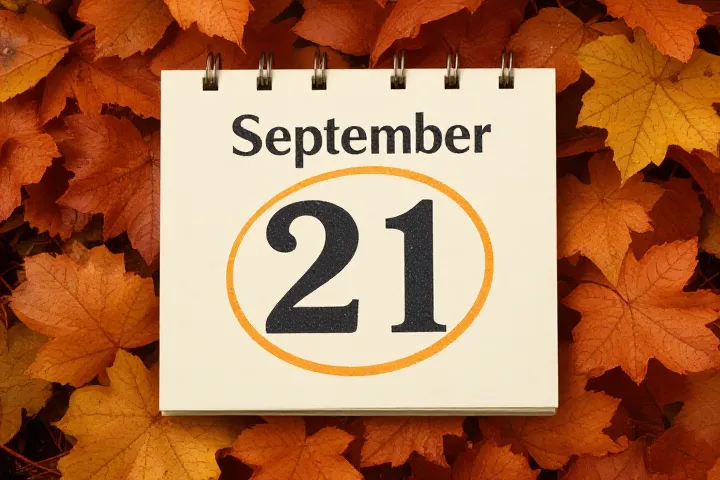
That opening guitar lick, the impossibly bright horn fanfare, and the joyful invitation: “Do you remember the 21st night of September?” It’s a musical phrase that has launched a billion smiles and filled countless dance floors for nearly five decades. The song is “September” by the legendary funk and soul group Earth, Wind & Fire, and its opening line has transformed a random date into an annual global celebration. More than just a disco-era hit, this track is a masterclass in musical alchemy, a testament to the power of a perfect groove. This guide explores the fascinating story behind the 21st night of September, deconstructing the elements that make this song a timeless anthem of pure, unadulterated joy.
More Than a Song: A Global Anthem of Joy
“September” was released in 1978, at the height of the disco era, yet it has transcended that period to become something much more enduring. It is a universal go-to for weddings, birthday parties, and any event that requires an instant injection of happiness. The song’s magic lies in its ability to be both nostalgic and perpetually current. Its infectious energy is a musical guarantee of a good time, a quality that led to its induction into the National Recording Registry of the Library of Congress, cementing its status as a work of significant cultural and historical importance.
The Story Behind the Groove: The Making of “September”
The creation of this iconic track is a story of happy accidents, creative friction, and the unwavering belief in the power of a feeling over the literal meaning of words. The song’s most memorable and debated elements were born from the collaboration between two brilliant musical minds.
The Songwriting Duo: Maurice White and Allee Willis
The song was born from a chord progression written by Earth, Wind & Fire’s founder and leader, the late Maurice White. He brought the initial idea to a young songwriter named Allee Willis. Their collaboration, as Willis recounted in numerous interviews before her passing, was the start of a legendary partnership. White’s spiritual and musical vision combined with Willis’s pop sensibility and lyrical genius created the perfect storm of creativity. More information on the band’s history can be found on the official Earth, Wind & Fire website.
The Lyrical Mystery: What Happened on the 21st Night of September?
This is the question that has fascinated fans for decades. The answer, directly from the source, is wonderfully simple: nothing. In an interview with NPR and in other public appearances, Allee Willis famously explained that there is no specific significance to that date. During the songwriting process, they went through various numbers, and “the 21st” was the one that just felt and sounded the best phonetically. The line is a perfect example of choosing a lyric for its rhythm and flow rather than for a literal story, allowing listeners to project their own happy memories onto that date.
The “Ba-Dee-Ya” Secret: The Power of a Perfect Nonsense Syllable
Perhaps the most infectious part of the song is the “Ba-dee-ya” chant in the chorus. This was another point of creative tension. Allee Willis was initially bothered by what she saw as a nonsense placeholder lyric, begging Maurice White to replace it with real words. White, a master of groove, insisted that the syllables conveyed a feeling that was more important than any literal lyric. He famously told her, “Never let the lyric get in the way of the groove.” He was right; the “ba-dee-ya” chant is a universal expression of joy that anyone, anywhere in the world, can sing along to instantly.
Deconstructing the Sound: The Musical Elements of Joy
“September” is a marvel of musical production. Its sound is dense and layered, with every instrument playing a crucial role in building its ecstatic energy. The track features the signature elements of Earth, Wind & Fire’s sound: a tight, syncopated rhythm section, Philip Bailey’s soaring falsetto, and the explosive power of the Phenix Horns. The interplay between the driving bassline and the intricate horn arrangements creates a feeling of unstoppable forward momentum. Music databases like AllMusic provide a full list of the incredible session musicians who contributed to this iconic recording.
A Practical Example: The Song as the Ultimate Celebration Soundtrack
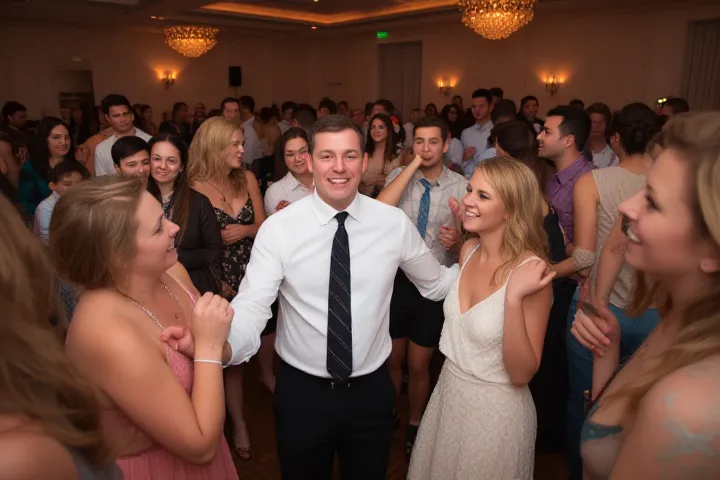
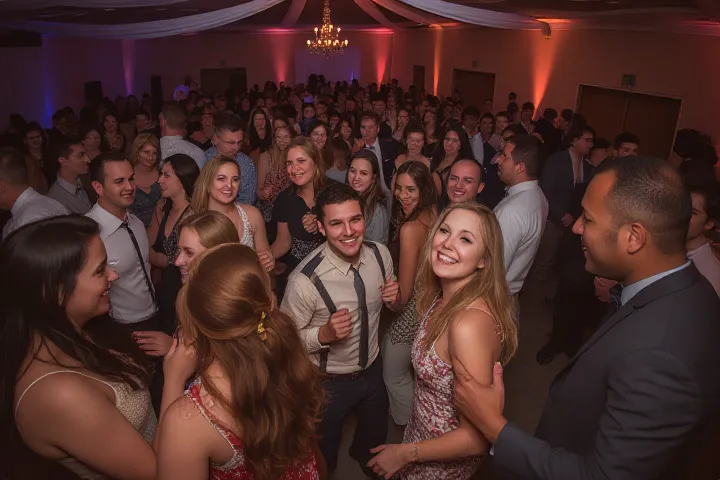
Imagine a wedding reception for a young couple. The guests are a mix of ages—college friends in their 20s, parents in their 50s, and grandparents in their 80s. For an hour, the dance floor has been a rotating cast of guests. Then, the DJ plays the opening “do-do-do” of “September.” The effect is instantaneous. Every single person, from the flower girl to the grandmother, floods the dance floor. The song’s universal appeal transcends generations, its joyful energy acting as the ultimate unifier, creating a collective memory for everyone in the room.
Expert Insight: A Musicologist on “September’s” Timeless Appeal
Dr. Marcus Thorne, a professor of American Music History at UCLA, explains the song’s power: “‘September’ is a piece of sonic alchemy. It exists at the perfect intersection of funk’s rhythmic complexity, soul’s melodic warmth, and disco’s propulsive energy. The chord progression is built on major keys that are neurologically associated with happiness, and the constant syncopation in the rhythm section is physically infectious. It’s a song that is musically engineered to make you feel good, and that’s a formula that never gets old.”
Care, Caution, and Recommendations
To truly appreciate the genius of “September,” listen to it on a high-quality audio system. The song is a masterclass in arrangement, and a good pair of headphones will reveal the intricate layers of percussion, the call-and-response between the horns and vocals, and the incredible tightness of the rhythm section. For those interested in its creation, seeking out interviews with the late Allee Willis (many of which are archived by resources like the Songwriters Hall of Fame) provides a fascinating look into the collaborative process behind this and many other classic hits.
Alert: Contrary to persistent internet rumors and fan theories, the “21st night of September” does not refer to a specific birth, the day Prince died, or any other hidden event. Songwriter Allee Willis was adamant in confirming that the date was chosen simply because it sounded the best in the lyric. Enjoy the song for the pure joy it delivers, not for a secret meaning that doesn’t exist.
Embracing this fact allows you to fully appreciate the songwriters’ focus on feeling and groove over literal storytelling.
The Enduring Legacy in Pop Culture
“September” has become a permanent fixture in the cultural landscape. It is featured in countless films, television shows, and commercials, always used to signal a moment of pure joy or celebration. Every year on September 21st, the song becomes a viral internet sensation, with memes, videos, and social media posts celebrating the famous date. This annual digital tradition has introduced the song to new generations, ensuring that its legacy will continue far into the future.
Frequently Asked Questions (FAQ)
What is the real meaning of the 21st night of September?
There is no real or hidden meaning. Co-writer Allee Willis confirmed that the date was chosen simply because the words “twenty-first night of September” fit the melody and groove perfectly. It is a poetic date with no specific historical significance.
What does “ba-dee-ya” mean in the chorus?
“Ba-dee-ya” is a nonsense phrase. Maurice White insisted on keeping it in the song because he felt the sound and the feeling it evoked were more powerful and universal than any literal lyric could be.
Who wrote the song “September”?
The song was written by Earth, Wind & Fire founder Maurice White, songwriter Allee Willis, and EWF guitarist Al McKay. Their combined talents created the song’s unforgettable music and lyrics.
Why is the song so popular at weddings and parties?
Its popularity stems from its universally joyful sound, infectious rhythm, and positive, nostalgic lyrics. The song’s energy is multi-generational, appealing to guests of all ages and making it a perfect choice to get everyone on the dance floor.
In the end, the magic of the 21st night of September lies in its beautiful emptiness. It’s a date with no official history, a lyrical clean slate onto which millions of people have projected their own moments of happiness—a wedding, a first kiss, a perfect autumn evening. “September” is not just a song; it’s a recurring holiday on the calendar of joy, a timeless invitation from Earth, Wind & Fire to remember our own golden moments and, of course, to dance.